


 Asian Currencies Subdued as Yen Slides Ahead of Fed, BOJ Decisions
  Oil Prices Fall as U.S. Crude Inventories Rise, Middle East Risks Persist
  Vietnam, U.S. Firms Plan 29 Deals Across Energy, Tech and Aviation
  Oil Prices Fall as Saudi Supply Improves, Middle East Fears Ease
  Asian Stocks Rise as Investors Brace for Fed Rate Decision
  East Germany Narrows Economic Gap With West but Wealth Divide Persists
  Hong Kong Unveils First Five-Year Plan to Boost Finance, Tech and Housing
  Trump Hopes Iran War Nears End as Yemen Fighting Escalates
  European Stocks Rally After Fed Hike, Iran Peace Hopes
  Gold Prices Slip as Fed Rate Hike Looms, Treasury Yields Rise
  Trump Threatens EU Tariffs Over Canada Membership Proposal
  Asian Currencies Mixed as Dollar Holds Gains After Fed Rate Hike
  UK Inflation Rises to 3.1% Ahead of BoE Rate Decision
  US Futures Fall as Fed Meeting, Oil Surge Rattle Markets
  UK Wage Growth Slows as BoE Rate Decision Looms


 Add as a preferred source on Google
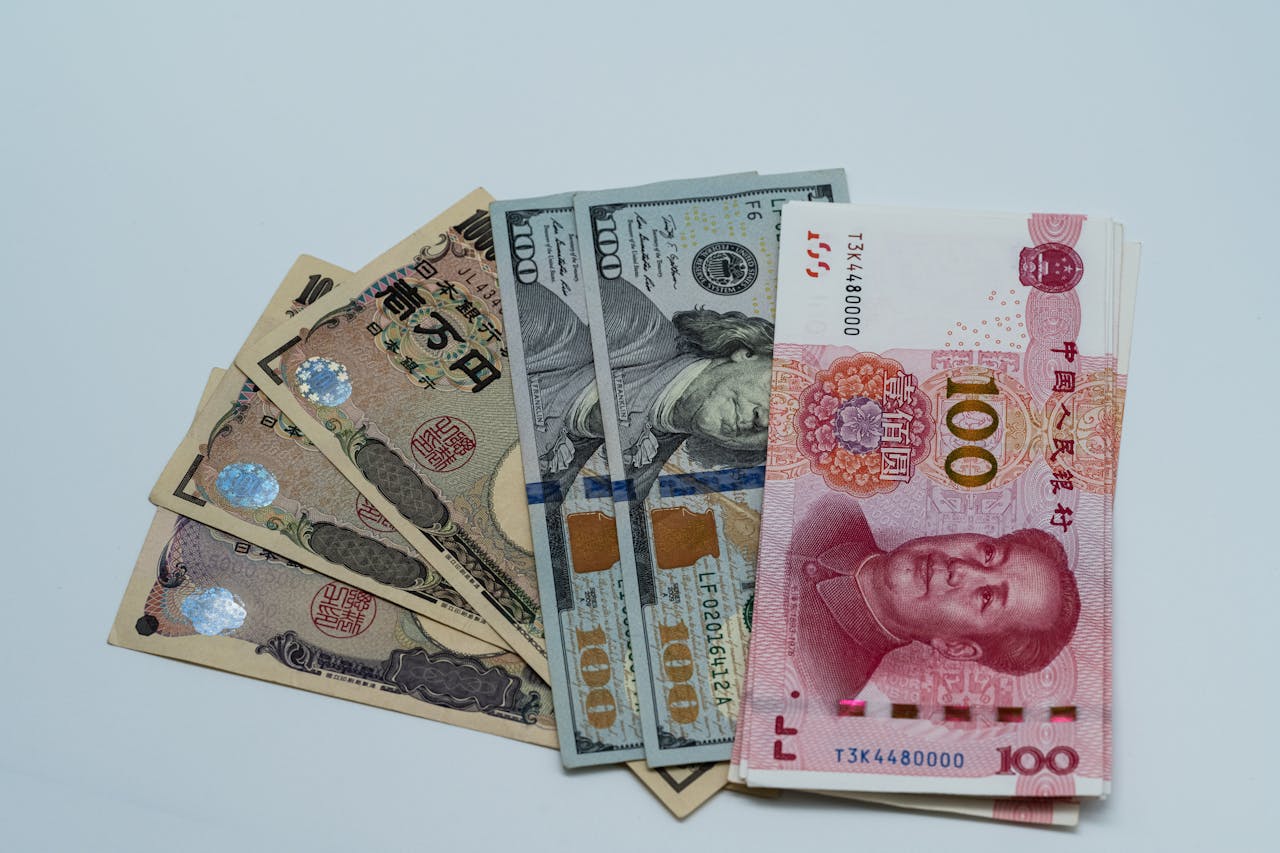
Japan’s Finance Ministry confirmed that it carried out coordinated yen-buying intervention with the United States on Friday to counter what it described as excessive volatility and disorderly movements in the foreign exchange market.
In a statement released Monday, Finance Minister Satsuki Katayama said Japanese authorities remain in close contact with the U.S. Treasury as both governments continue to monitor currency markets. The intervention marks a rare joint effort aimed at stabilizing the yen after sharp fluctuations triggered concerns among policymakers and investors.
Katayama emphasized that Japan will continue to closely watch foreign exchange developments and will not hesitate to take additional measures if market conditions become increasingly unstable. The ministry said the goal of the intervention was to restore orderly trading rather than influence the yen’s long-term value.
The coordinated action highlights growing cooperation between Tokyo and Washington as the yen faces persistent pressure from shifting global monetary policy expectations, interest rate differentials, and volatile capital flows.
Currency intervention typically involves a central bank or finance ministry buying or selling its own currency to reduce excessive price swings. Japanese officials have repeatedly stated that while exchange rates should generally be determined by markets, abrupt and speculative moves can harm businesses, trade, and the broader economy.
The Finance Ministry reiterated that maintaining stability in the foreign exchange market remains a priority, especially as sudden currency fluctuations can increase uncertainty for exporters, importers, and financial markets.
Market participants will now closely monitor whether the coordinated intervention succeeds in slowing the yen’s recent volatility. Investors are also watching for any additional comments from Japanese officials and the U.S. Treasury that could provide clues about future policy coordination.
With Japan signaling its readiness to intervene again if necessary, traders are expected to remain cautious as authorities seek to prevent further disorderly movements in the yen while preserving confidence in the foreign exchange market.







