


 Saudi Arabia Shuts East-West Oil Pipeline After Drone Attack
  Gold Prices Steady Ahead of U.S. Inflation Data and Fed Decision
  Volkswagen Job Cuts Put Lower Saxony Leader Under Political Pressure
  Brent Oil Tops $100 as Middle East Conflict Threatens Supply
  Trump Says No Regrets Over Iran War Despite Midterm Risks
  Trump Backs United Ireland During Dublin Visit
  White House Weighs Refined Copper Tariffs as Cost Concerns Grow
  Asian Currencies Subdued as Yen Weakens Ahead of Fed, BOJ Decisions
  Gold Prices Steady as Hot PPI Boosts Fed Rate Hike Bets
  Iran Attacks 10 Ships as Hormuz Conflict Escalates
  Taiwan Flags Russian Film Screening as China-Japan Influence Push
  German Inflation Accelerates to 2.9% in August
  Russian Strikes Hit Kyiv as Ukraine Targets Russian Cities
  UK Food Inflation Forecast to Hit 6.4% by Mid-2027
  Asian Stocks Fall as Oil Tops $100, Yields Rise
  EUR/USD Eyes 1.17 as Fed Decision Could Weigh on Dollar
  China Buys 1 Million Tons of U.S. Soybeans Ahead of Xi Visit


 Add as a preferred source on Google
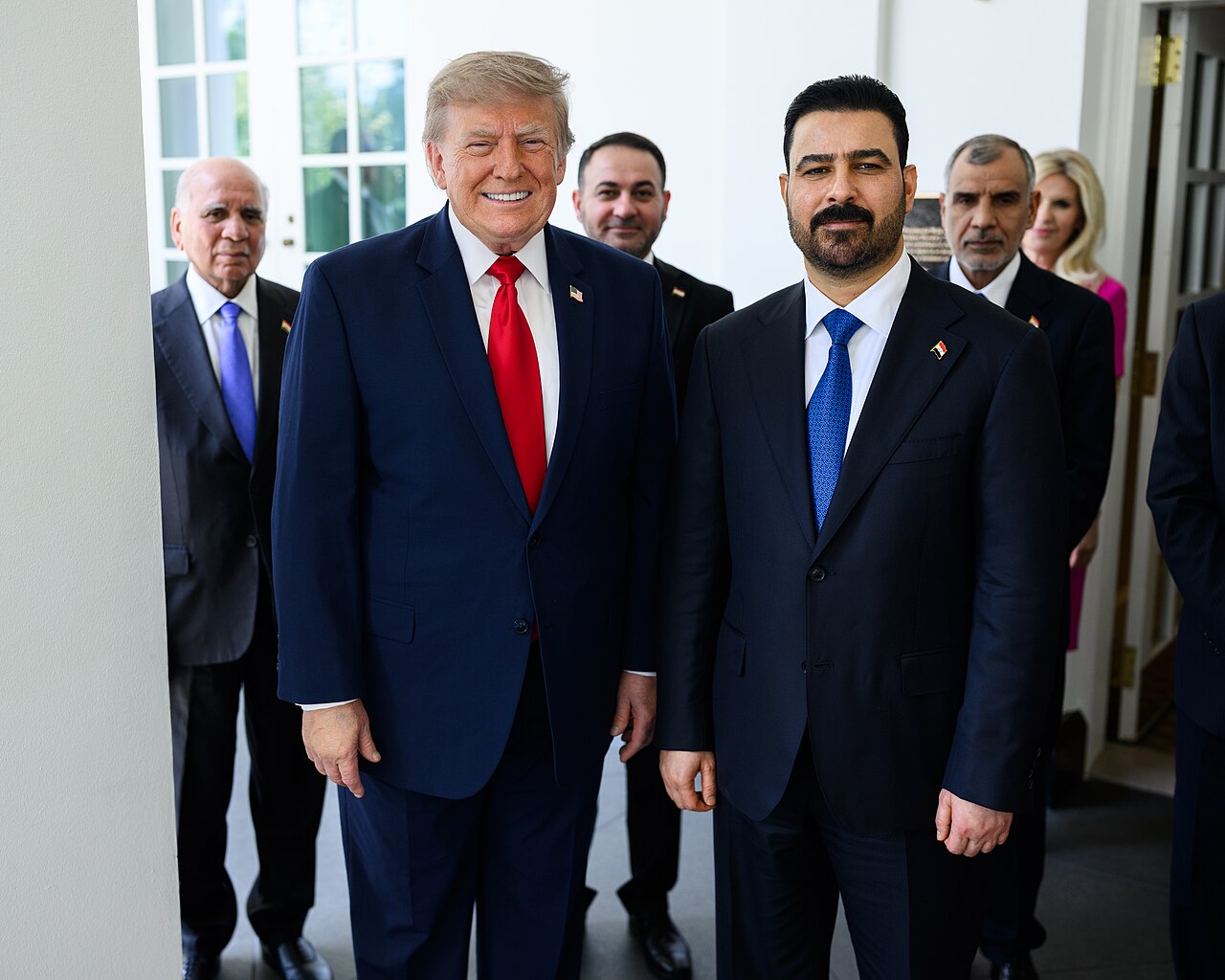
Iran has rejected a U.S.-backed ceasefire proposal delivered by Iraqi Prime Minister Ali al-Zaidi, opting against a temporary truce as tensions with the United States continue to escalate, according to a New York Times report citing Iranian and Iraqi officials.
The reported rejection comes as the confrontation between Washington and Tehran has intensified in recent weeks, raising concerns about a broader regional conflict and its impact on global energy markets.
On Thursday, President Donald Trump warned Iran and its Houthi allies of "major military punishment" following attacks by the Yemen-based group on two Saudi oil tankers in the Red Sea. The incident opened a second major maritime flashpoint alongside the Strait of Hormuz, heightening fears of disruptions to global oil shipments.
Those concerns pushed Brent crude above $100 per barrel for the first time since May after prices surged more than 6%, reflecting growing anxiety over the security of key energy shipping routes.
According to the report, Iranian officials rejected the ceasefire proposal because it did not address the long-term issue of control over the Strait of Hormuz, a vital chokepoint through which a significant share of the world's oil supply passes. The proposal was reportedly the only active ceasefire initiative under consideration.
The mediation effort followed al-Zaidi's meetings at the White House before traveling to Tehran, where he held talks with Iranian President Masoud Pezeshkian, Foreign Minister Abbas Araghchi, and other senior officials.
Araghchi reportedly said Iran did not require additional mediators, arguing that the main obstacle to negotiations is Washington's approach rather than a lack of diplomatic communication.
The report also said Tehran is preparing for the possibility of a wider military conflict if the United States carries out threats to strike Iranian territory or critical infrastructure.
In such a scenario, Iran could respond by expanding the conflict beyond its borders, including targeting Tel Aviv and encouraging its Houthi allies to disrupt shipping through the Bab al-Mandab Strait, another strategic waterway connecting the Red Sea and the Gulf of Aden. Such developments could further threaten global energy supplies and increase volatility across oil markets.







