


 Global PC Makers Eye Chinese Memory Chip Suppliers Amid Ongoing Supply Crunch
  Instagram Outage Disrupts Thousands of U.S. Users
  Nintendo Shares Slide After Earnings Miss Raises Switch 2 Margin Concerns
  Nvidia, ByteDance, and the U.S.-China AI Chip Standoff Over H200 Exports
  Alphabet’s Massive AI Spending Surge Signals Confidence in Google’s Growth Engine
  Oracle Plans $45–$50 Billion Funding Push in 2026 to Expand Cloud and AI Infrastructure
  Elon Musk’s Empire: SpaceX, Tesla, and xAI Merger Talks Spark Investor Debate
  OpenAI Expands Enterprise AI Strategy With Major Hiring Push Ahead of New Business Offering
  Rio Tinto Shares Hit Record High After Ending Glencore Merger Talks
  Sony Q3 Profit Jumps on Gaming and Image Sensors, Full-Year Outlook Raised
  Baidu Approves $5 Billion Share Buyback and Plans First-Ever Dividend in 2026
  Nasdaq Proposes Fast-Track Rule to Accelerate Index Inclusion for Major New Listings
  Toyota’s Surprise CEO Change Signals Strategic Shift Amid Global Auto Turmoil
  Nvidia Nears $20 Billion OpenAI Investment as AI Funding Race Intensifies
  Tencent Shares Slide After WeChat Restricts YuanBao AI Promotional Links
  SoftBank Shares Slide After Arm Earnings Miss Fuels Tech Stock Sell-Off
  SpaceX Prioritizes Moon Mission Before Mars as Starship Development Accelerates


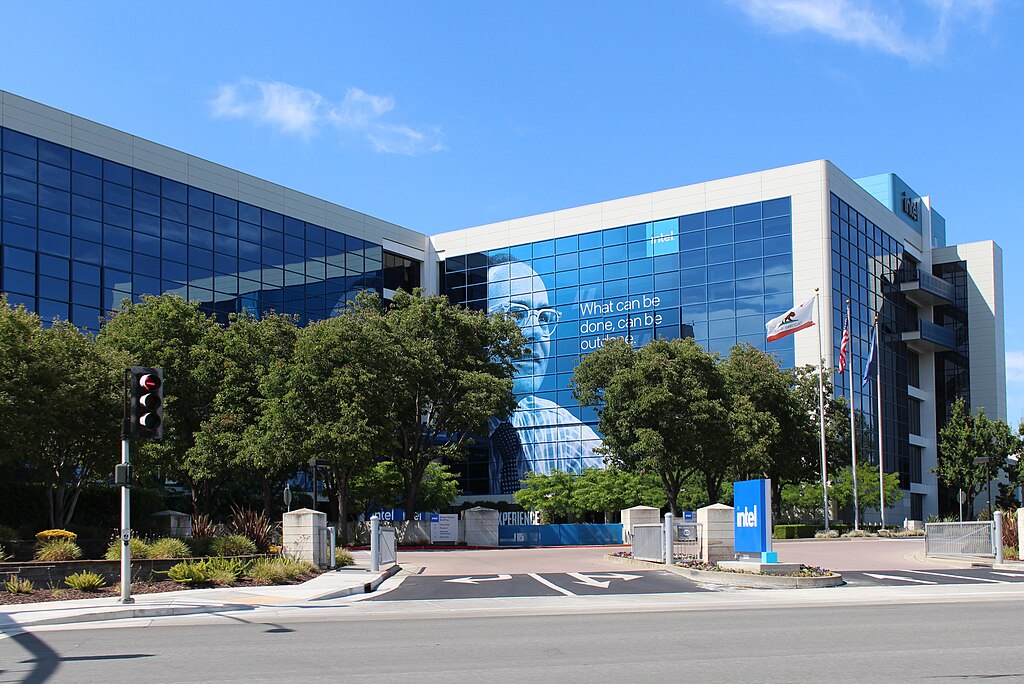
Intel (NASDAQ: INTC) will end 2025 with a workforce over 20% smaller than last year as new CEO Lip Bu Tan pushes aggressive cost-cutting to revive the struggling chipmaker. The company plans to reduce headcount to 75,000 by year-end, down from 96,400 in June, through layoffs, attrition, and restructuring.
Tan, who took over in March, is abandoning Intel’s previous “blank check” spending, vowing only to fund projects that make “economic sense.” The company is scaling back its once-ambitious chip foundry strategy, slowing construction of factories in Ohio and halting planned facilities in Germany and Poland. It will also consolidate chip packaging operations from Costa Rica to Vietnam and Malaysia.
Intel has faced years of missteps, losing ground in AI chips to Nvidia (NASDAQ: NVDA) and ceding PC and server market share to AMD (NASDAQ: AMD). Its 18A manufacturing process, once touted as a breakthrough, will now primarily serve Intel’s own products. The company signaled it could exit chip manufacturing altogether if it fails to secure major customers for its upcoming 14A process.
Despite revenue of $12.9 billion in Q2, Intel reported a loss of 67 cents per share, wider than analysts expected. It forecasts a Q3 loss of 24 cents per share, exceeding Wall Street’s projections, sending shares down 4.5% in after-hours trading.
Tan emphasized a shift toward demand-driven factory builds: “I do not subscribe to the belief that if you build it, they will come.” By cutting middle management layers by 50% and prioritizing disciplined execution, Intel aims to regain competitiveness amid growing pressure from rivals and shifting global semiconductor demand.













