


 Bessent Presses Japan on Fiscal Policy as Yen Struggles
  Venezuela Nears Deal to Move $4 Billion in Gold to New York Fed
  Yen Slides After BOJ Rate Hike as Dollar Holds Near Seven-Week High
  South Korea Producer Prices Rise 0.2% in August
  Canada Eyes India Trade Deal by Year-End
  Yen in Focus as BOJ, Fed Rate Hikes Reshape Currency Markets
  US-China Talks Target AI, Tariffs Ahead of Trump-Xi Summit
  Asian Stocks Rise as Oil Falls, BOJ Rate Decision in Focus
  Fed Rate Hike Threatens Housing as U.S. Growth Leans on AI, Citi Says
  S&P 500 Historically Rallies After Midterm Elections, UBS Says
  Gold Prices Hold Steady Ahead of Trump-Xi Summit, Middle East Risks
  Asian Chip Stocks Rally as Treasury Yields Ease
  Wall Street Mixed as Treasury Yields Rise After Fed Hike
  UK Home Asking Prices Rise for First Time Since May
  Mexico Pushes for US Trade Deal Before Midterms
  Bolivia Approves $1.9 Billion IMF Financing Deal


 Add as a preferred source on Google
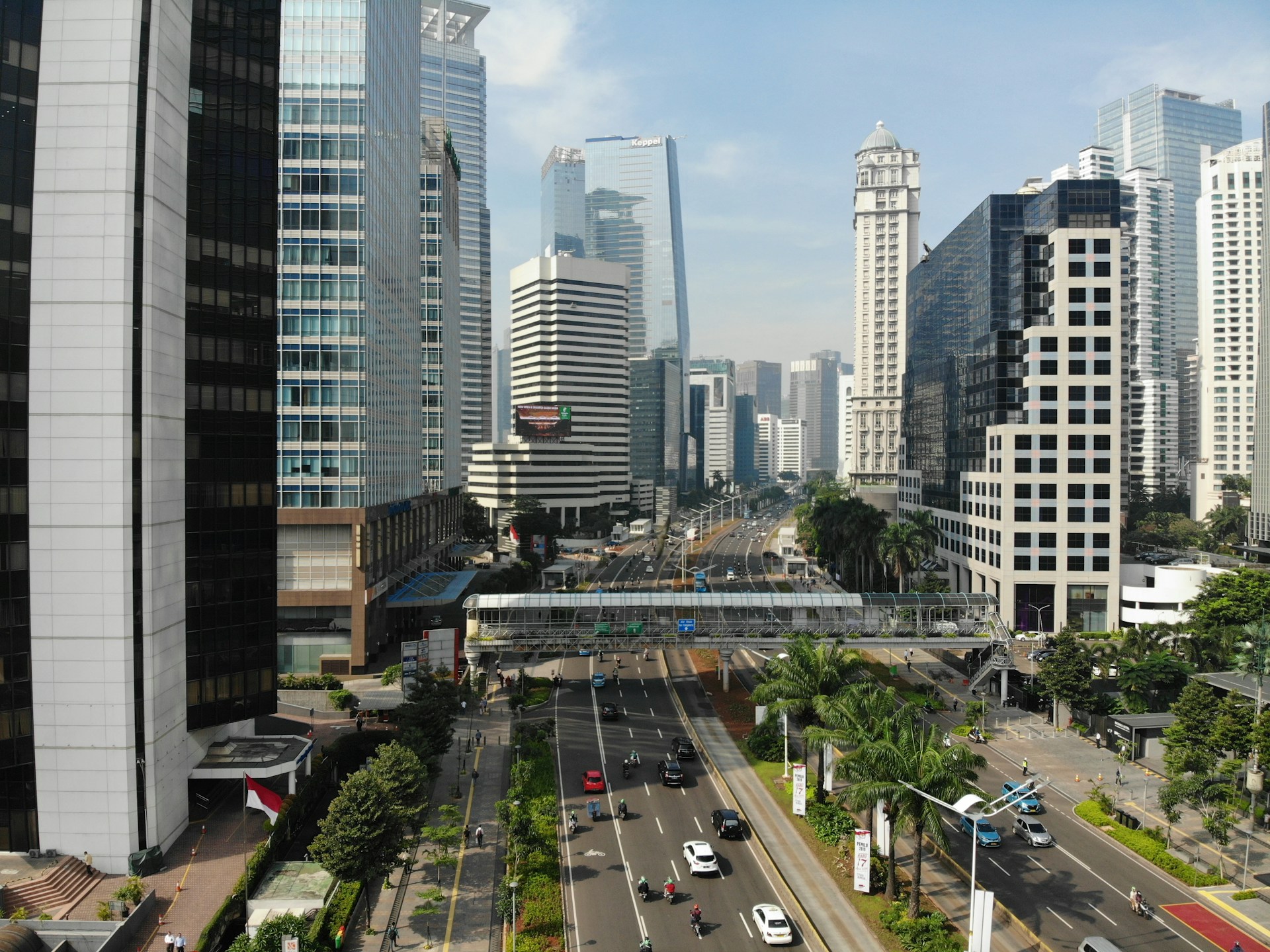
Indonesia's economy expanded 5.29% year-on-year in the second quarter of 2026, outperforming market expectations despite slowing from the previous quarter, according to official data released on Wednesday.
The result exceeded the 5.10% median forecast in a Reuters survey, although it was below the 5.61% growthrecorded in the first quarter. Southeast Asia's largest economy has consistently maintained annual growth of around 5% since recovering from the COVID-19 pandemic, with seasonal spending around the Eid holiday typically providing an economic boost. This year, however, Eid took place during the first quarter, contributing to the earlier surge in activity.
While Indonesia's economic growth has shown signs of strengthening since late 2025, investor confidence has weakened amid concerns over government spending. The administration of President Prabowo Subianto is pursuing ambitious policies aimed at achieving 8% annual economic growth before the end of the decade, raising questions about fiscal sustainability.
Financial markets have also been unsettled by the possibility of MSCI downgrading Indonesia's equity market classification, along with uncertainty surrounding the country's central bank after the unexpected resignation of Bank Indonesia Governor Perry Warjiyo last week.
These concerns have weighed heavily on Indonesian financial assets. The rupiah remains close to record lows against the U.S. dollar, while the country's stock market has declined by nearly 30% since the beginning of the year.
Sector performance during the April-to-June period was mixed. Manufacturing, agriculture, and construction posted solid growth, helping support overall economic expansion. In contrast, the mining sector contracted as government-imposed mining quota restrictions reduced production.
Meanwhile, government spending has increased as authorities continue to shield households from higher global energy costs. Rising fuel prices, driven by the conflict involving Iran, have prompted the government to expand fuel subsidy programs to ease the burden on consumers.
Despite ongoing market uncertainty and fiscal concerns, Indonesia's stronger-than-expected second-quarter GDP highlights the economy's resilience and underscores the government's efforts to sustain growth amid global and domestic challenges.







