


 Anthropic Nears $15 Billion Credit Deal Ahead of IPO
  Lynas Rare Earths Shares Rise After Takeover Talks Revealed
  Adobe Names Anil Chakravarthy CEO as AI Push Accelerates
  Berkshire Hathaway Eyes Bigger Stakes in Japan’s Top Trading Houses
  Thomson Reuters C-Track Cyberattack Hits Courts Across U.S. and Canada
  GSM Eyes US, Europe Expansion Ahead of 2028 Hong Kong IPO
  Audi, SAIC Launch China Innovation Hub for New AUDI Models
  ByteDance Secures $29.6 Billion Loan to Boost AI Investment
  MongoDB Stock Sinks 14% as Atlas Growth Misses Expectations
  Nvidia Eyes $2.5 Billion Investment in Thinking Machines Lab
  Honda Targets $9.4 Billion in Cost Cuts as China EV Competition Intensifies
  South Korea, US Discuss Chip Investments Amid Tariff Plans
  US Tech Giants’ AI Bond Boom Raises Euro Zone Borrowing Risks
  Milei Threatens Falkland Oil Firms With Sanctions
  Tesla Cybercab Launch Puts Robotaxi Ambitions in Focus
  Deutsche Telekom Shares Rise as Elliott Pushes Against T-Mobile Merger


 Add as a preferred source on Google
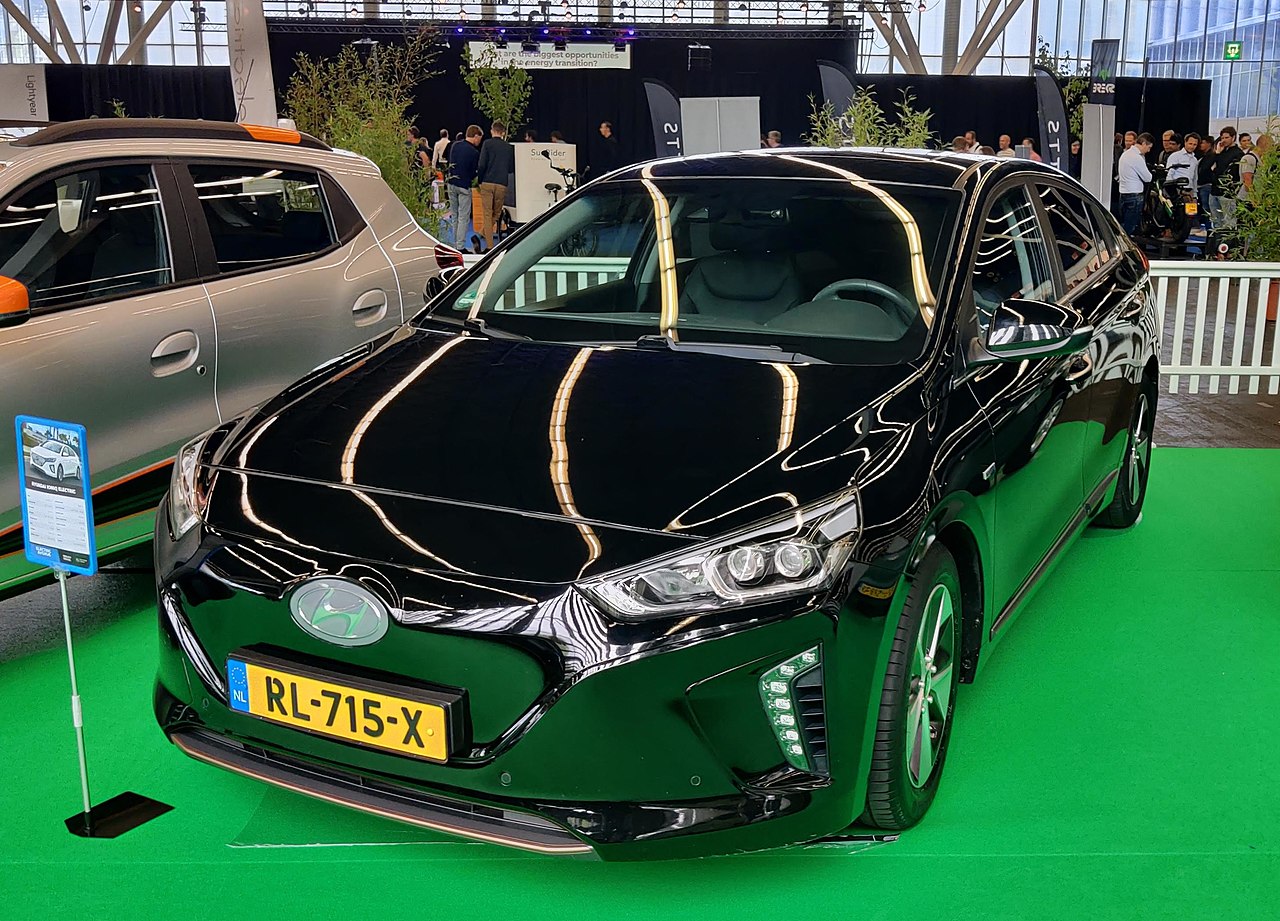
The Indonesian government has unveiled plans to provide tax breaks on fully assembled electric vehicles (EVs) until 2025. These incentives are intended to attract auto manufacturers interested in establishing electric vehicle plants in Indonesia.
Reuters noted that Indonesia holds the title of Southeast Asia's largest auto market.
Enhanced Incentives for EV Investments
Under the new regulations, companies that have invested in EV facilities, intend to expand their EV investments, or are considering investing will be eligible for these benefits. Previously, incentives were only granted for imports of knocked-down vehicles delivered in parts and assembled in the country of sale.
However, with the new decree, built-up automobiles entering the nation will no longer be subject to import customs or the luxury goods sales tax. Additionally, provincial governments will receive incentives on the taxes they collect.
Furthermore, the Indonesian government has extended the deadline for companies to produce at least 40% of the content of EVs in Indonesia from 2023 to 2026. The original target of increasing the local content level to 60% by 2024 has also been pushed to 2027.
Import quotas for EVs will depend on the investment size and development progress of the plant, and approval by the investment ministry is required, as per Car Spirit PK.
According to Rachmat Kaimuddin, a deputy at the Coordinating Ministry of Investment and Maritime Affairs, establishing an EV industry in Indonesia would pave the way for the growth of the battery industry, utilizing the country's rich raw material resources and creating a robust supply chain.
Indonesia aims to produce approximately 600,000 EVs by 2030, a target of more than 100 times the number of EVs sold in the country during the first half of 2023. Some international companies have invested in Indonesia, including Hyundai, China's Neta EV brand, and Mitsubishi Motors.
Furthermore, Indonesia is actively attracting the attention of major players such as Tesla and China's BYD, encouraging them to consider investing in the country.
Creating a Sustainable EV Ecosystem
By incentivizing investment and providing tax breaks, the Indonesian government hopes to establish a thriving industry that will benefit the economy and support the development of a comprehensive supply chain for EVs.
While the Indonesian government's ambitious targets and incentives are promising, challenges lie ahead in achieving them. The development and nurturing of skilled labor, infrastructure, and technology advancements will be crucial in realizing the country's EV production goals.








