


 Google promotes ‘teacher approved’ apps for kids. Here’s what parents should know
  China vs. NASA: The New Moon Race and What's at Stake by 2030
  TSMC Posts Strong Q1 2025 Revenue, Riding AI Chip Demand Wave
  Anthropic's Mythos AI Model Sparks Emergency Cybersecurity Meeting With Top U.S. Bank CEOs
  Anthropic Nears $800 Billion Valuation as Investor Confidence Surges
  U.S. Disrupts Russian Military Hackers' Global DNS Hijacking Network
  San Francisco Suspect Arrested After Molotov Cocktail Attack on OpenAI CEO Sam Altman's Home
  Federal Agencies Secretly Test Anthropic's AI Despite Trump Administration Ban
  Bank of America Identifies Top Asia-Pacific Semiconductor Stocks Poised for AI-Driven Growth
  SanDisk Joins Nasdaq-100, Replacing Atlassian on April 20
  SK Hynix Shares Hit Record High Amid AI Memory Demand Surge
  DEEPX Partners with Hyundai to Power Next-Gen AI Robots Ahead of IPO
  ASML Raises 2026 Revenue Outlook as AI Chip Demand Surges
  Apple's Foldable iPhone Faces Engineering Setbacks, Mass Production Timeline at Risk
  Samsung Electronics Eyes Record Q1 Profit Amid AI-Driven Chip Boom
  Alibaba Shares Slide as Jefferies Slashes Price Target Over AI Spending and Business Losses


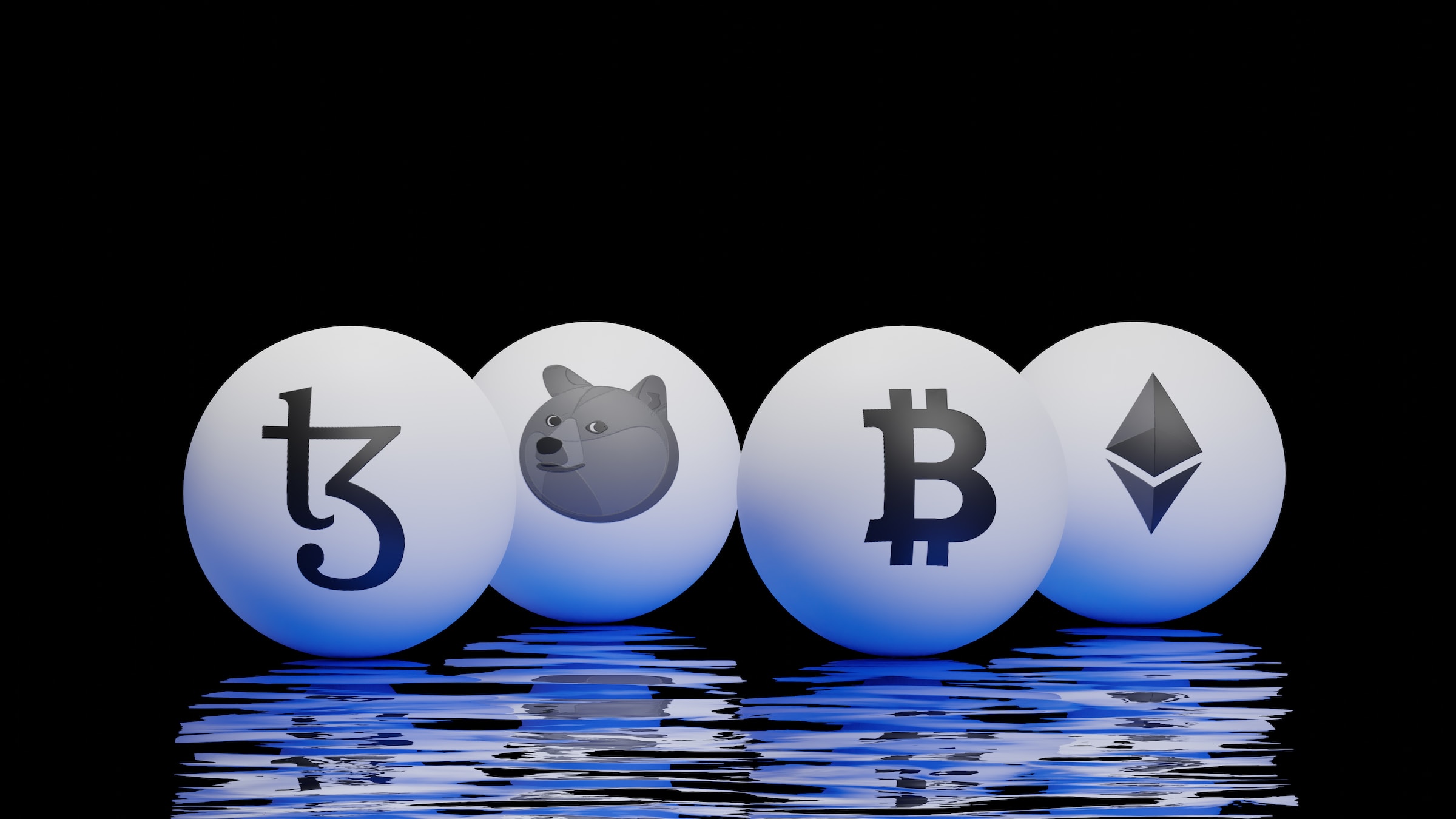
Hussain Elius, known for co-founding Pathao, one of Bangladesh's leading ride-sharing applications, is making strides into the decentralized finance (DeFi) space with his new venture, Wind.app. This smart contract wallet, designed for simplicity and accessibility, is gaining attention in the cryptocurrency world.
Introducing Wind.app
Wind.app distinguishes itself with three core features. Firstly, it facilitates global payments for businesses, making it easier to remunerate remote employees across the world. Secondly, it serves as a virtual bank account for individual users. Thirdly, Wind.app is developing infrastructure for users to convert their cryptocurrency holdings into fiat currency and vice versa.
Rapid Growth and Funding
In just a few months since its launch, Wind.app has already seen over $3 million in annualized gross transaction volume. The Singapore-based startup recently announced a successful pre-seed funding round, raising $3.8 million. This round was co-led by Global Founders Capital and Spartan Group, with contributions from Saison Capital, Alumni Ventures, and Tiny VC.
From Pathao to Wind.app
Elius's journey from Pathao to Wind.app was marked by his exploration of the crypto space during the COVID-19 pandemic. Despite his tech-savvy background, Elius faced challenges in navigating the complex world of crypto wallets, gas fees, and private keys. This experience inspired him to create an app that would be accessible to those with minimal blockchain and crypto experience.
User-Friendly Features
Wind.app is designed to be user-friendly, sparing its users from dealing with complex elements like gas fees and the volatility of cryptocurrencies like Bitcoin. Users can sign up using their email or phone number, bypassing the typical complexities of private and public keys. While Wind.app operates in the same domain as Binance and Coinbase, Elius views its direct competitors as more traditional financial services like Payoneer and Transferwise, given Wind.app's focus on everyday financial transactions over trading.
Security and Self-Custody
Prioritizing user security, Wind.app is a self-custodial wallet, meaning the startup does not control user funds. The private keys are stored on the user's phone, securing wallets cryptographically in the blockchain. This approach ensures that users retain access to their funds even if Wind.app were to cease operations.
Plans for Growth
The new funding for Wind.app is earmarked for technological development, compliance and licensing efforts, and expanding its user base. This includes direct outreach to businesses and individual users, positioning Wind.app as a user-friendly entry point into the world of DeFi.
Photo: Shubham Dhage/Unsplash







