


 Eli Lilly’s Inluriyo Gains FDA Approval for Advanced Breast Cancer Treatment
  Astronomers have discovered another puzzling interstellar object − this third one is big, bright and fast
  Neuralink Plans High-Volume Brain Implant Production and Fully Automated Surgery by 2026
  CDC Vaccine Review Sparks Controversy Over Thimerosal Study Citation
  Tabletop particle accelerator could transform medicine and materials science
  SpaceX’s Starship Completes 11th Test Flight, Paving Way for Moon and Mars Missions
  NASA and Roscosmos Chiefs Meet in Florida to Discuss Moon and ISS Cooperation
  FDA Pilot Program Eases Rules for Nicotine Pouch Makers
  Cogent Biosciences Soars 120% on Breakthrough Phase 3 Results for Bezuclastinib in GIST Treatment
  SpaceX Starship Explodes in Texas During Test, Citing Nitrogen Tank Failure
  SpaceX Prioritizes Moon Mission Before Mars as Starship Development Accelerates
  Lost in space: MethaneSat failed just as NZ was to take over mission control – here’s what we need to know now


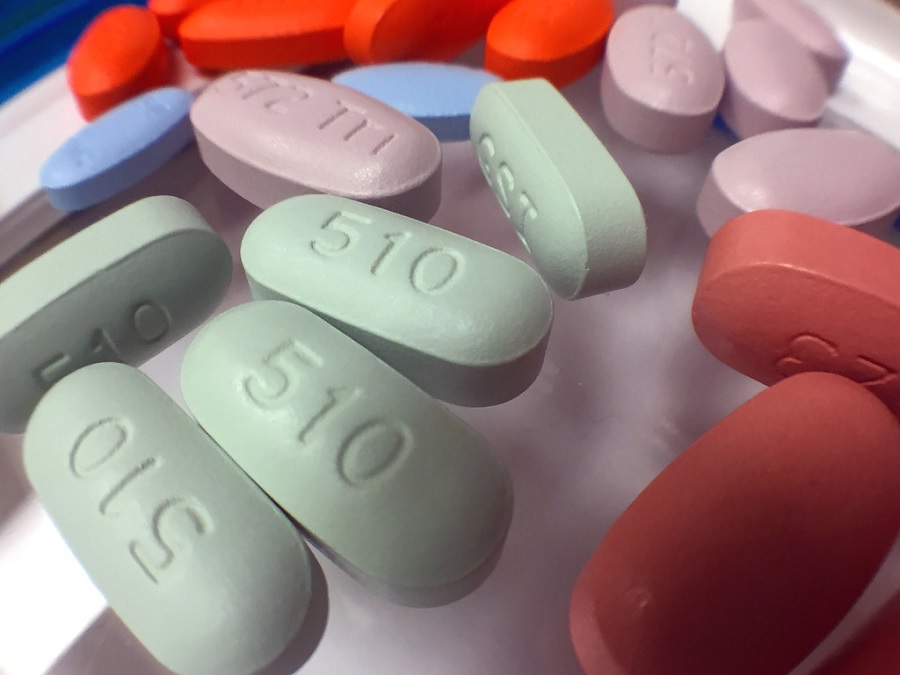
There is not a complete cure found yet to eradicate HIV from a patient. But medical science has come a long way in developing other treatment strategies to suppress the virus. So even if it stays dormant in a patient’s body, the people living with HIV now have more chances of carrying on with their lives.
However, scientists’ works continue in the hopes of finding a cure for HIV. Meanwhile, other studies are focusing on having an improved treatment approach in the hopes of suppressing the virus without needing antiretroviral therapy for a lifetime.
HIV treatment: A potential solution to viral suppression without ART is under study
Researchers from the University of Texas Medical Branch at Galveston, Texas have published their study on a protein designed to combat HIV. While it may not completely cure the virus, it has the potential to suppress the virus even after the patient stopped taking ART drugs.
First, it is important to understand that when HIV patients undergo ART treatments, the virus goes into a dormant state. But HIV gets genetically integrated into the patient’s system. This means that stopping ART treatments or resistance from ART drugs would easily reactivate the virus and cause further harm to the patient’s body.
The research, published in The Journal of Clinical Investigation, claims to be the first to identify the BRD4 protein and its qualities that could effectively suppress the virus. “Using structure-guided drug design, we identified a small molecule (ZL0580) that induced epigenetic suppression of HIV via BRD4,” the abstract of the research reads. Researchers have also tested combining ART medication with their drug design of ZL0580 and found that the HIV suppression happened faster. Meanwhile, it also delayed the reactivation of the virus after the suspension of ART.
HIV global statistics: Not everyone has access to ART drugs
For several years now, various institutions and governments have launched campaigns against HIV and AIDS-related deaths. The UNAIDS main focus is ending the epidemic in 2020 through three main strategies: early detection, helping HIV-positive patients get access to ART and making treatments that would lead to viral suppression available to patients.
As of 2018, around 37.9 million globally are living with HIV. UNAIDS reports that 79 percent of that number is aware of their status, but only 62 percent has access to ART treatments. On the bright side, the agency saw a 33 percent decline in AIDS-related deaths since 2010.













