


 Trump to Press Xi on Release of US Nuclear Expert Held in China
  Taiwan Vows to Advance US Arms Sales Ahead of Trump-Xi Meeting
  US, Japan and South Korea Back Taiwan Ahead of Trump-Xi Summit
  Canada Unveils Bill to Fast-Track Major Resource Projects
  Trump Says U.S.-Iran Peace Deal Near After UN Talks
  Russian Strikes Kill Eight Across Ukraine as Energy Sites Hit
  Marco Rubio to Meet Russia’s Lavrov in New York
  Burnham Eyes UK Leadership Role in AI Ahead of Trump Meeting
  Trump Scales Back Endangered Species Act Protections
  Kremlin Says No Grounds Yet for Ukraine Peace Talks
  UK, Mauritius Seek Diego Garcia Base Deal
  Trump Board of Peace Unveils $2.45 Billion Gaza Recovery Plan
  Trump Says ‘Freedom’ Is Coming to Cuba
  Scott Bessent Eyed as Trump’s New AI Czar
  US Plans Two New Military Bases in Greenland Under Arctic Deal
  Iran Vows ‘Crushing’ Response as US Talks Continue
  US, Denmark and Greenland Set to Sign Arctic Security Deal


 Add as a preferred source on Google
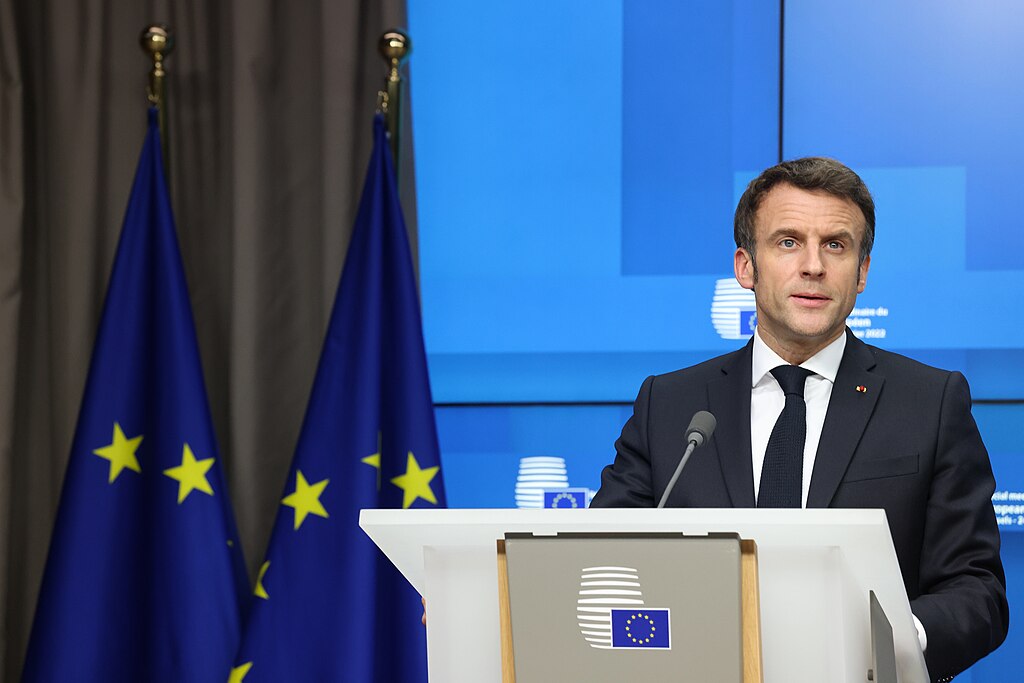
The upcoming G7 Summit, scheduled for June 15–17 in Evian-les-Bains, France, is expected to be dominated by discussions on the wars in the Middle East and Ukraine, as leaders seek to maintain unity amid growing geopolitical tensions. Hosted by French President Emmanuel Macron, the summit will bring together leaders from France, the United Kingdom, Canada, Germany, Italy, Japan, the United States, and the European Union.
Diplomats say the gathering will prioritize crisis management rather than major policy breakthroughs. Key topics include the ongoing Ukraine war, instability in the Middle East, global economic imbalances, and securing critical mineral supply chains independent of China.
France has deliberately crafted an agenda designed to avoid confrontation with U.S. President Donald Trump, whose return to the White House has exposed divisions within the G7. Officials are reportedly setting modest expectations, viewing the summit as successful if Trump remains engaged throughout the event.
Developments involving Iran could significantly influence discussions. Efforts to preserve a fragile ceasefire between the United States and Iran remain uncertain, while negotiations over sanctions, frozen Iranian assets, and regional security concerns continue. Trump is seeking the reopening of the Strait of Hormuz, a vital route for global energy shipments, while Tehran demands concessions from Washington and Israel.
The summit will also focus heavily on Ukraine. Ukrainian President Volodymyr Zelenskiy has been invited as negotiations with Russia remain stalled. European leaders hope to persuade Trump that previous U.S. proposals were overly favorable to Moscow and will emphasize continued sanctions against Russia alongside increased military support for Ukraine.
Beyond security issues, G7 members will discuss economic challenges, particularly global trade imbalances. France has highlighted concerns over China’s manufacturing overcapacity, America’s high consumption levels, and Europe’s underinvestment. Invited nations including Brazil, India, Kenya, South Korea, Saudi Arabia, the United Arab Emirates, Qatar, and Egypt will contribute to discussions on economic cooperation and geopolitical stability.
Rather than issuing a broad final communiqué, France plans to release targeted statements on critical minerals, migration, and drug trafficking. Analysts believe cooperation on critical mineral supply chains could emerge as one of the summit’s most significant outcomes, helping reduce dependence on China while strengthening economic resilience among G7 nations.







