


 PDG Explores $1 Billion Sale of China Data Center Assets
  Samsung Union Dispute Escalates Over Semiconductor Bonus Vote
  MongoDB Q1 FY2027 Earnings Beat Expectations, Raises Full-Year Outlook
  Meta AI Push Could Add $26 Billion in Revenue by 2027, Wolfe Research Says
  Kentucky School District Secures $27 Million in Social Media Addiction Lawsuit Settlements
  Lam Research Expands AI-Powered Semiconductor Tools and Arizona Operations
  HP Q2 2026 Earnings Beat Expectations Despite Memory Chip Pressure
  Xiaomi Shares Drop After Weak Q1 Earnings Amid Rising Smartphone Costs
  Dell Raises 2027 Revenue Forecast as AI Server Demand Drives Record Quarterly Results
  US Quantum Stocks Surge After $2 Billion Government Investment
  Samsung Workers Approve Wage Deal, Avoiding Major Strike and Boosting Chip Supply Confidence
  SK Hynix Joins $1 Trillion Club as AI Chip Demand Fuels Stock Surge
  Huawei Chip Breakthrough Sparks Rally in Chinese Semiconductor Stocks
  Snowflake Stock Soars 30% After Q1 Earnings Beat and Major AWS AI Partnership
  Synopsys Q2 FY2026 Earnings Beat Driven by AI and Semiconductor Demand
  Blue Origin New Glenn Rocket Explodes During Launch Pad Test, Delaying Space Ambitions
  EU Antitrust Probe Could Lead to Massive Google Fine Under DMA Rules


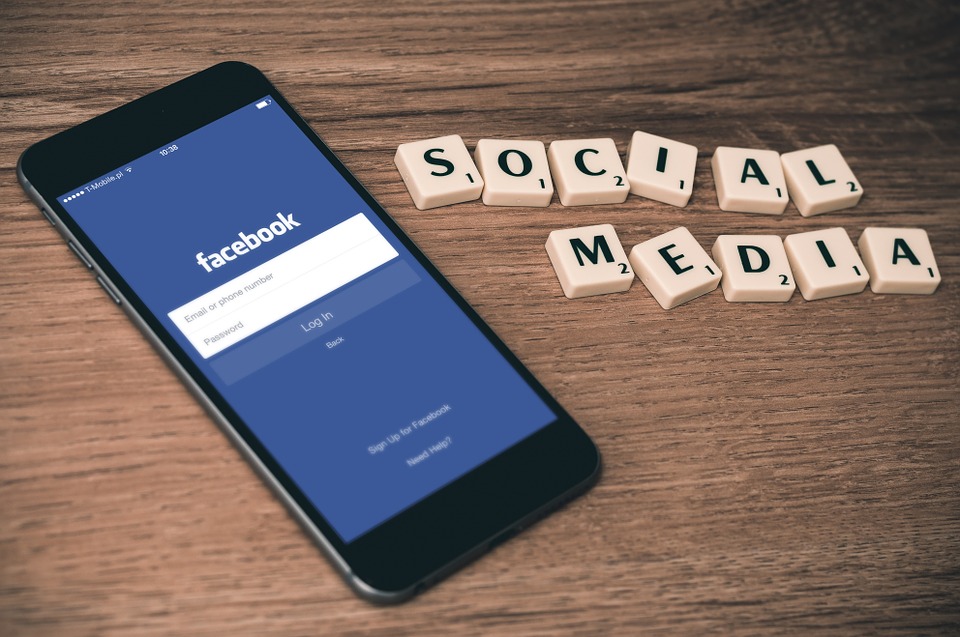
A former executive at Facebook has recently come out to criticize the company for its divisive and invasive presence in society. He also expressed a significant amount of guilt for being one of the people to bring the platform to the fore of internet culture, which has pervaded practically every facet of modern life. As a result, he himself has broken away from social media.
In a recent event at Stanford Graduate School of Business, former Facebook vice president for user growth, Chamath Palihapitiya called the social media “tools that are ripping apart the social fabric of how society works.” This is in direct contrast to what Mark Zuckerberg has been claiming as his intention for Facebook, which is to bring people together.
“The short-term, dopamine-driven feedback loops we’ve created are destroying how society works,” Palihapitiya said of a system that communicates via things like “hearts, likes, thumbs-up.” “No civil discourse, no cooperation; misinformation, mistruth. And it’s not an American problem — this is not about Russians ads. This is a global problem.”
Of course, this is nothing new for the internet, where trolls take every opportunity to inflame conversations. However, Palihapitiya is more concerned about the real-world effects of the influence of social media. In one example, a viral string of hoaxes on WhatsApp led to seven people getting lynched over kidnapping charges they did not commit, The Verge reports.
“And imagine taking that to the extreme, where bad actors can now manipulate large swathes of people to do anything you want. It’s just a really, really bad state of affairs,” he said of the incident.
Palihapitiya is not alone in criticizing Facebook and social media after helping to build the industry either. Many others, including Sean Parker who was one of the earliest to invest in the social network, has expressed concern over how powerful and exploitive the company has become.







