


 Oil Prices Slip as Oversupply Concerns and U.S.-Iran Talks Shape Market Outlook
  Goldman Sachs Raises USD/JPY Forecast, Sees Yen Weakness Persist Through 2027
  Denmark Central Bank Intervenes to Support Krone Peg Against Euro
  Asian Stocks Rebound as Tech Shares Rally on Fed Rate Cut Hopes and Easing Iran Tensions
  Moody’s Says Peru’s President-Elect Keiko Fujimori Could Boost Investor Confidence
  Goldman Sachs Flags 3 Key Risks Ahead of Europe’s Earnings Season
  Iran Begins Oil Sale Talks With Japan Under U.S. Sanctions Waiver Amid Shipping Risks
  Japan Signals Readiness to Act on Yen as Intervention Speculation Grows
  Wall Street Ends Mixed as Weak Jobs Data Lowers Fed Rate Hike Bets, Chip Stocks Tumble
  Gold Price Today: Gold Slips as Dollar Rebounds Ahead of Fed Minutes
  Brazil to Phase Out Gasoline Subsidy First as Diesel Support Stays Longer
  U.S. Dollar Drops as Weak Jobs Data Boosts Fed Pause Bets, Yen Jumps on Intervention Talk
  Gold Price Surges Above $4,120 as Weak US Jobs Data Lowers Fed Rate Hike Expectations
  Asian Currencies Rise as Dollar Weakens; Yen Holds Steady Amid Japan Intervention Watch
  Gold Price Today: Bullion Heads for First Weekly Gain as Weak U.S. Jobs Data Eases Rate Hike Fears
  Russia Stocks End Flat at Three-Year Low as MOEX Index Stalls, Gold Prices Climb
  JPMorgan Cuts Gold Price Forecast, Sees Bullion Reaching $4,500 by End of 2026


Egypt exceeded the International Monetary Fund’s (IMF) expectations during the COVID-19 pandemic, prompting the latter to raise its estimate of the country's economic growth rate from 2 percent during the last fiscal year to 3.5 percent.
Egypt is expected to achieve a primary surplus of 0.4 percent of GDP during the current fiscal year, rising to 2.1 percent during 2022-23, and 2 percent until 2025.
The IMF also expects a decline in Egypt's overall GDP deficit to 5.2 percent during 2022-23 and 3.8 percent by the 2024-25 fiscal year, reflecting the ability to effectively deal with local and international variables.
State revenues are also seen increasing by 20 percent this fiscal until 2024-25, a hike from last year's 19.2 percent.
Meanwhile, public expenditures are expected to dip from 28.4 percent last year to 25.4 percent in the current fiscal year.
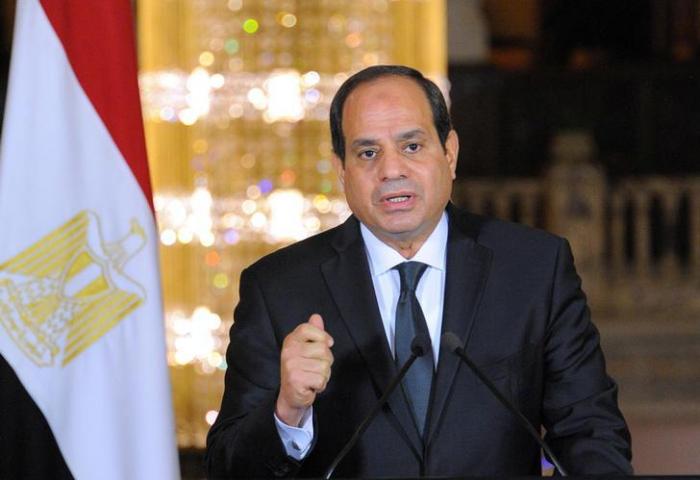
Egyptian Finance Minister Mohamed Maait attributed the economic reforms adopted by President Abdel Fattah El-Sisi for allowing the country's better-than-expected performance.
Maait added that much of that was possible by the flexible handling of the pandemic, with Egypt adopting a proactive policy of allocating 2 percent of its gross domestic product (GDP) to support the most vulnerable economic sectors and groups.
Maait pointed out that the annual growth rate of revenues surged to 18.4 percent in the third quarter of the year.
According to Maait, the state’s general budget recorded a slight initial surplus of $6.39 million during the first quarter of the current fiscal year, despite the pandemic's impact.
Consequently, the country was able to meet the needs of the health sector and all budgetary bodies, while increasing government investments and satisfying pension fund dues.







