


 Kremlin Says No Grounds Yet for Ukraine Peace Talks
  Guterres Urges Stronger Global AI Safeguards Ahead of UN Assembly
  Qualcomm Gains on $60B Amazon AI Chip Deal
  SK Hynix, Intel Discuss U.S. Memory Chip Production Deal
  Russian Strikes Kill Eight Across Ukraine as Energy Sites Hit
  SpaceX Nasdaq 100 Weight to More Than Double in Rebalance
  Trump Says U.S.-Iran Peace Deal Near After UN Talks
  AI is supercharging money scams – here’s what you can do to protect yourself
  Meta CEO Zuckerberg Backs Independent AI Safety Reviews Over Development Slowdown
  Trump Meets Venezuela’s Delcy Rodriguez at UN Assembly


 Add as a preferred source on Google
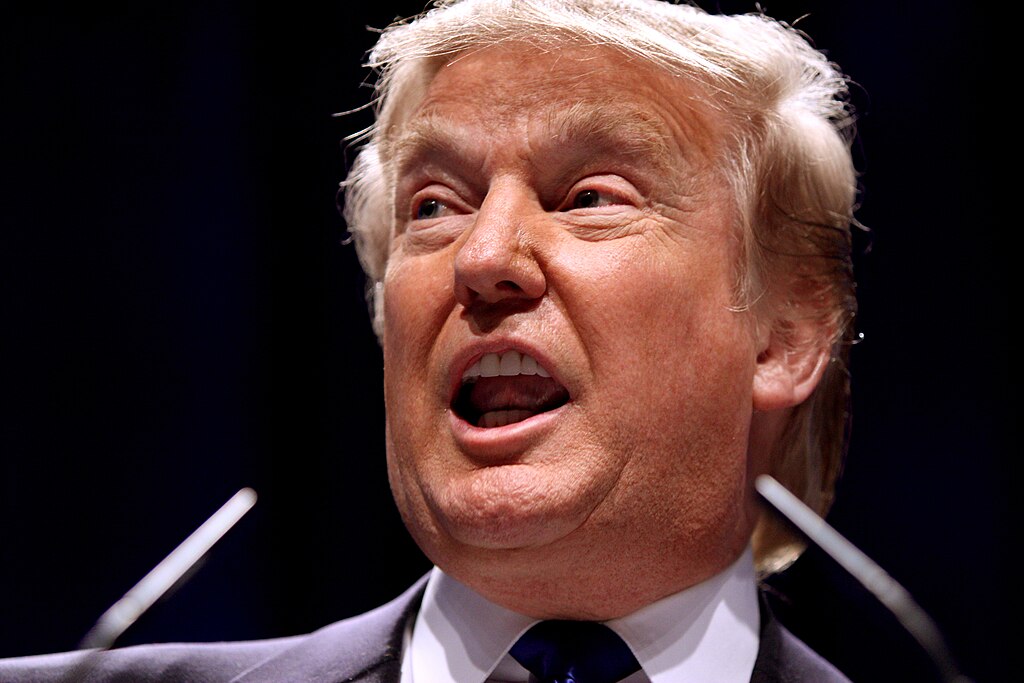
The cryptocurrency industry could see a significant shift if Donald Trump follows his promise to replace Securities and Exchange Commission (SEC) Chair Gary Gensler. Announced at a Bitcoin conference in Nashville, Trump’s vow to appoint a pro-crypto SEC chair has sparked excitement within the industry. However, transforming America into the global crypto capital will require more than a personnel change. The new SEC chair must address five critical issues to foster a robust and secure crypto ecosystem.
Addressing Ethereum Staking in ETFs
Spot Ethereum exchange-traded funds (ETFs) entered the market on July 23, but they currently lack staking options. Staking, which involves locking ETH as collateral in exchange for rewards, faces challenges due to the Investment Company Act of 1940. This act mandates ETFs and mutual funds to promptly redeem shares for underlying assets, a process complicated by the unpredictable timelines of staked ETH withdrawals. The new SEC chair should prioritize creating exemptions for spot Ether, including staking in ETFs while maintaining investor protections.
Embracing On-Chain Compliance Solutions
The SEC's regulatory framework for securities markets covers reporting, clearing, and settlement with stringent scrutiny. Blockchain technology automatically records and settles transactions and offers a transparent and fraud-resistant solution. The SEC has previously recognized on-chain ledgers as valid financial reports. The incoming chair should expand this recognition, issuing comprehensive guidelines to facilitate the broader adoption of on-chain compliance solutions across the industry.
Upgrading KYC and Custody Rules for Web3
Current Know Your Customer (KYC) and custody regulations do not adequately cover self-custody wallets like Ledger and MetaMask. Qualified crypto custodians (QCs) in the U.S., including Anchorage Digital and Coinbase Custody, already provide secure, segregated user accounts. The new SEC chair should integrate elements of self-custody into existing regulations for QCs, enhancing investor protections while accommodating the unique aspects of blockchain technology. These changes can be implemented within the legal framework, aligning blockchain innovations with SEC oversight goals.
Regulating Decentralized Exchanges (DEXs)
Decentralized exchanges (DEXs) like Uniswap and Balancer have revolutionized trading by eliminating intermediaries and facilitating real-time, 24/7 transactions through smart contracts. Despite their potential, DEXs remain primarily unregulated due to jurisdictional ambiguities between the SEC and the Commodity Futures Trading Commission (CFTC). The SEC must clarify which tokens are securities, establish a clear registration path for DEXs, and collaborate with the CFTC to regulate the broader crypto market. Ensuring DEXs meet traditional exchange standards for risk management and compliance will foster a safer trading environment.
Promoting Dollarization with Real-World Assets (RWAs)
Global demand for tokenized dollars is skyrocketing, and the U.S. has a prime opportunity to lead this digital financial revolution. Dollar-backed stablecoins like USD Coin and Tether have invested significantly in U.S. government debt. Tokenized money market funds and other yield-bearing RWAs are emerging but face regulatory hurdles. The new SEC chair should actively promote a robust on-chain market for USD-backed RWAs, leveraging blockchain’s capabilities for trading, accessibility, and innovation. This approach will solidify America’s dominance in the digital economy for years.
Conclusion
Trump’s potential SEC chair faces a formidable task in transforming the regulatory landscape for cryptocurrencies. The new chair can foster a secure and thriving crypto market by addressing these five critical issues—Ethereum staking, on-chain compliance, KYC and custody rules, DEX regulation, and dollarization with RWAs. These steps will position the U.S. as a global leader in the digital financial revolution, ensuring long-term stability and growth for the industry.







