


 UN Experts Urge US to Halt Third-Country Migrant Deportations
  UN Condemns Myanmar Airstrike That Kills 50 in Rakhine
  Trump, Tech Leaders Sign ‘Morally Binding’ AI Safety Accord
  Denmark Expects Long-Term NATO Presence in Greenland, Arctic
  Malaysia Begins Deportation of 1,500 Myanmar Nationals
  US Sanctions Iran Weapons Procurement Network
  Russian Drone Strikes Kill Nine Across Ukraine, Hit Kyiv Science Academy
  UN Extends Haiti Security Force Mandate Ahead of Elections
  White House Blames Democrats as CLARITY Act Stalls
  Senate Democrats Say Tether USDT Helps Iran Evade Sanctions
  Second DOJ Lawyer Exits Trump Probe
  China Cuts Tariffs on U.S. Farm Goods but Excludes Soybeans
  Judge Blocks Trump Election Conditions on Counterterrorism Grants
  CNN, Politico and MS NOW Seek Court Order Blocking Trump White House Ban
  Tim Scott Blames Democrats as CLARITY Act Stalls in Senate
  Haiti Gang Retaliation Kills at Least 11 in Artibonite
  US Plans Iran Sanctions Waiver for Pilgrim Flights to Iraq


 Add as a preferred source on Google
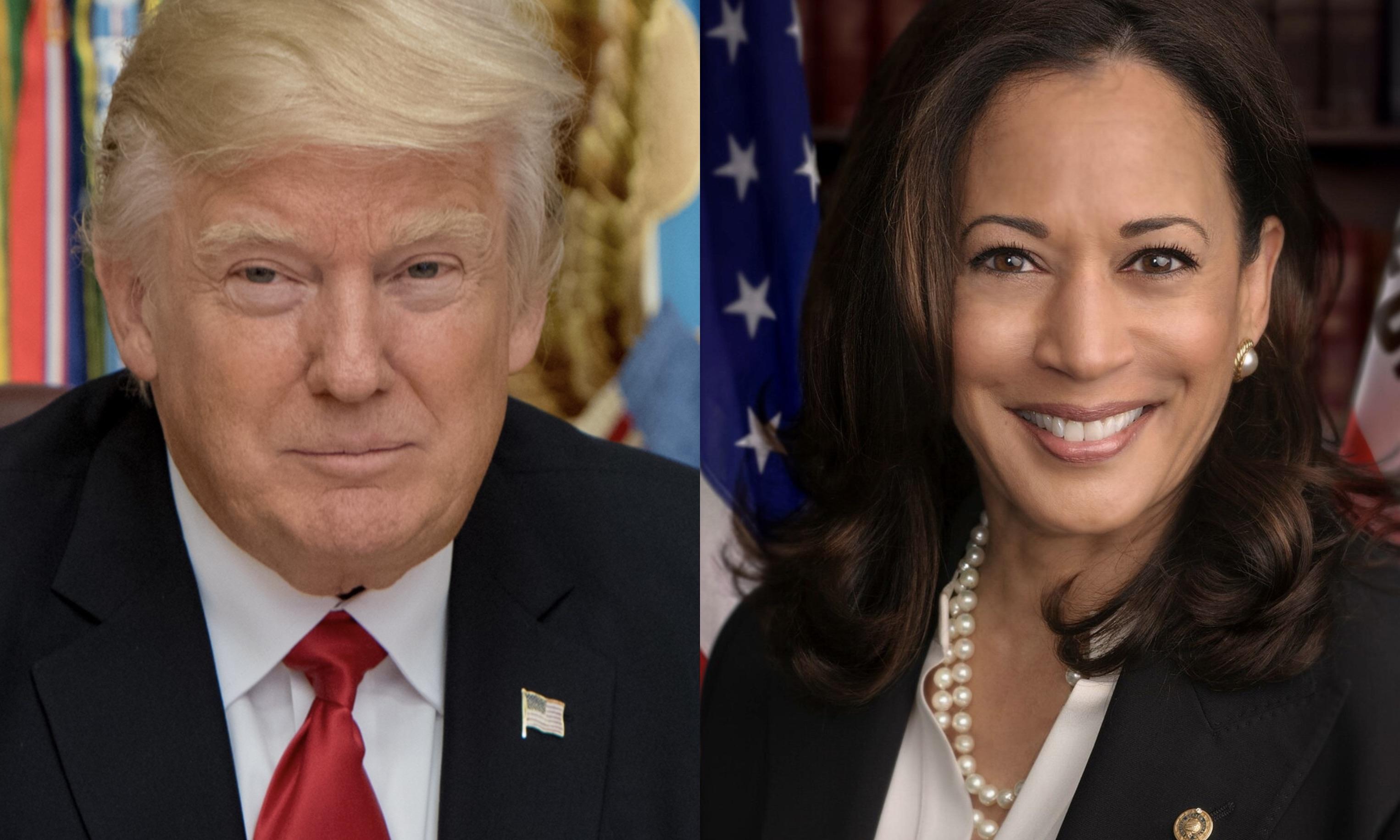
As the 2024 presidential race inches closer, attention is turning to the policy platforms of leading candidates, Donald Trump and Kamala Harris. With Trump seeking to reclaim the White House and Harris potentially stepping up as the Democratic nominee following rumors of President Joe Biden's exit, the two are positioning themselves as starkly different candidates on economic and foreign policy fronts.
Trump's economic vision centers on the "America First" agenda that defined his time in office, which emphasized deregulation, tax cuts, and a push for domestic manufacturing. His economic policy appeals to working-class voters who benefited from his tax overhaul and his administration’s efforts to renegotiate trade deals. Trump has long touted his ability to stimulate job growth and support American industries, framing his policies as a remedy for what he perceives as unfair trade practices and outsourcing. Central to his economic policy has been reducing government intervention and providing incentives for corporations to remain in or return to the United States.
Harris, on the other hand, supports a more progressive economic agenda that aligns with the Biden administration's focus on infrastructure investment, healthcare reform, and expanded social safety nets. As vice president, Harris has advocated for government intervention in key areas, including efforts to address income inequality and ensure affordable access to housing and healthcare. A staunch proponent of raising the minimum wage, Harris is focused on addressing systemic disparities that affect marginalized communities and promoting policies that benefit the middle class.
On foreign policy, the candidates also present divergent approaches. Trump’s presidency was marked by an emphasis on "peace through strength," withdrawing from multilateral agreements such as the Iran nuclear deal and the Paris Climate Accord, while engaging in high-profile negotiations with North Korea. His administration's foreign policy was centered on renegotiating international trade deals, particularly with China, in an effort to prioritize U.S. economic interests. Trump's hardline stance on immigration and defense spending also defined his foreign policy platform.
Harris’s foreign policy aligns more closely with traditional Democratic stances, emphasizing diplomacy, rebuilding international alliances, and tackling global challenges like climate change. As a strong advocate for re-entering the Paris Climate Agreement and reviving nuclear negotiations with Iran, Harris champions multilateralism and cooperative global leadership. Her policy approach is rooted in restoring U.S. credibility on the world stage and addressing global inequalities exacerbated by the COVID-19 pandemic.
While Trump’s policies aim to recalibrate U.S. relationships with a focus on America’s economic interests, Harris advocates for a balance between domestic welfare and active global engagement. Both candidates, however, will need to articulate how their policies will address pressing challenges such as inflation, immigration reform, and the U.S.'s evolving role in a multipolar world.
As the race heats up, voters will likely be weighing these key differences, particularly as economic recovery and foreign relations remain top priorities. Trump's supporters argue that his hard-nosed tactics delivered results for American workers and boosted the economy, while Harris's backers believe her policies will offer a more inclusive path forward, both domestically and internationally.







