


 Alcohol is one of the most dangerous drugs, yet its presence is ubiquitous in social settings and celebrations
  SK Biopharmaceuticals Secures Global Rights to Biohaven Epilepsy Drug Opakalim
  Hims & Hers Shares Fall as GLP-1 Costs Widen Q2 Loss
  Novartis M&A Strategy Faces Investor Scrutiny After Drug Setbacks
  Novo Nordisk Raises 2025 Outlook Despite Wegovy Pill Miss and CagriSema Setback
  France Keeps Top Health Alert as Officials Brace for Another Heatwave
  Eli Lilly Eyes AtaiBeckley Acquisition to Expand Psychedelic Mental Health Pipeline
  AstraZeneca Shares Sink After Wainua Trial Misses Key Heart Disease Goal
  Venezuela Earthquake Health Risks Rise as Disease Monitoring Intensifies
  Moderna Wins FDA Approval for mFLUSIVA mRNA Flu Vaccine for Adults 50+
  US-Backed Pediatric HIV Treatment Drops After Foreign Aid Changes, Study Finds
  FDA Investigates New Cyclospora Outbreak as U.S. Cases Continue to Rise
  Hanmi Pharm Soars 30% on $2.3 Billion Genentech Obesity Drug Deal
  3 clinical-grade skincare creams you really shouldn’t buy online
  Novo Nordisk Eyes Turnaround as Oral Wegovy Challenges Eli Lilly in Weight-Loss Drug Race
  Trump Administration Bars U.S. Travelers From Congo Flights Amid Ebola Outbreak
  France Battles Mediterranean Wildfires as Heatwave Fuels Fire Risk


 Add as a preferred source on Google
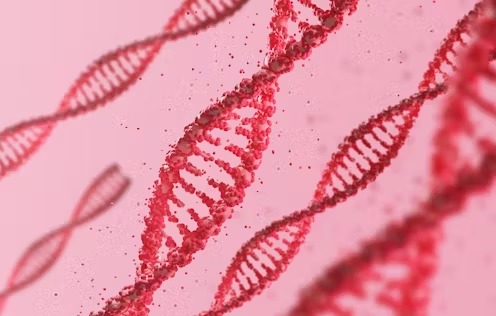



Around 8% of human DNA is made up of genetic sequences acquired from ancient viruses. These sequences, known as human endogenous retroviruses (or Hervs), date back hundreds of thousands to millions of years – with some even predating the emergence of Homo sapiens.
Our latest research suggests that some ancient viral DNA sequences in the human genome play a role in susceptibility to psychiatric disorders such as schizophrenia, bipolar disorder and major depressive disorder.
Hervs represent the remnants of these infections with ancient retroviruses. Retroviruses are viruses that insert a copy of their genetic material into the DNA of the cells they infect. Retroviruses probably infected us on multiple occasions during our evolutionary past. When these infections occurred in sperm or egg cells that generated offspring, the genetic material from these retroviruses was passed on to subsequent generations, becoming a permanent part of our lineage.
Initially, scientists considered Hervs to be “junk DNA” – parts of our genome with no discernible function. But as our understanding of the human genome has advanced, it’s become evident that this so-called junk DNA is responsible for more functions than originally hypothesised.
First, researchers found that Hervs can regulate the expression of other human genes. A genetic feature is said to be “expressed” if its DNA segment is used to produce RNA (ribonucleic acid) molecules. These RNA molecules can then serve as intermediaries leading to the production of specific proteins, or help to regulate other parts of the genome.
Initial research suggested that Hervs regulate the expression of neighbouring genes with important biological functions. One example of this is a Herv that regulates the expression of a gene involved in modifying connections between brain cells.
Hervs have also been found to produce RNAs and even proteins in blood and brain samples. These molecules have the potential to exert a wide range of functions, as they can travel across cellular compartments to execute different roles.
Scientists have also found evidence suggesting certain human genes are derived from Hervs. This indicates there were instances during evolution where Hervs were co-opted for specialised biological functions. For example, the human genes syncytins 1 and 2, which are derived from Hervs, play pivotal roles in placental development.
HERVs in psychiatric disorders
Considering the abundance of Hervs in the genome and their potentially numerous functions, we wanted to better understand whether genetic susceptibility to certain psychiatric disorders was associated with differences in Herv expression.
In our study, we profiled Herv expression in nearly 800 autopsy brain samples. This helped us identify DNA variations that influenced Herv expression in the brain.
We then cross-referenced this information with findings from large genetic studies which had compared genetic differences between tens of thousands of people – both with and without mental health conditions. These studies identified variations in DNA associated with different psychiatric conditions.
We found that that the expression of four Hervs was linked with genetic susceptibility to major psychiatric disorders. The expression of two of these Hervs was associated with schizophrenia, one Herv with both schizophrenia and bipolar disorder, and one with depression. These results suggest that Hervs may be playing a more important role in the brain than initially thought.
There are many genes involved in psychiatric disorders – and Hervs are only a part of this puzzle. Although the precise impact of these Hervs on brain cells and on a person’s susceptibility to certain psychiatric disorders requires further research, our study is the first to show that genetic susceptibility for a psychiatric disorder also acts through these ancient viral DNA sequences.
It’s still too early to determine the practical applications of our findings – and whether they might be used to develop new treatments. But we’re optimistic about this line of research. By linking Herv expression in the brain with psychiatric disorders, our research recognises the importance of these mysterious sequences in the human genome, which have been ignored for years.







