


 Reflection AI Eyes $25 Billion Valuation in Massive $2.5 Billion Funding Round
  Meta Ties Executive Pay to Aggressive Stock Price Targets in Major Retention Push
  AWS Bahrain Region Disrupted by Drone Activity Amid Middle East Conflict
  NASA's Artemis II Mission: First Crewed Lunar Journey Since Apollo
  SpaceX IPO Filing Expected This Week as Valuation Could Surpass $75 Billion
  Google's TurboQuant Algorithm Sends Memory Chip Stocks Tumbling
  Elon Musk Ties SpaceX IPO Access to Mandatory Grok AI Subscriptions
  Golden Dome Missile Defense: Anduril and Palantir Join Forces on Trump's $185B Space Shield
  OpenAI Pulls the Plug on Sora, Ending $1 Billion Disney Partnership
  Nanya Technology Shares Surge 10% After $2.5 Billion Private Placement from Sandisk and Cisco
  Australia's Social Media Ban for Under-16s Sparks Global Movement
  Microsoft's $10 Billion Japan Investment: AI Infrastructure and Data Sovereignty Push
  SMIC Allegedly Supplies Chipmaking Tools to Iran's Military, U.S. Officials Warn
  Makemation: a Nollywood movie that shows AI in action in Africa
  Annie Altman Amends Sexual Abuse Lawsuit Against OpenAI CEO Sam Altman
  Chinese Universities with PLA Ties Found Purchasing Restricted U.S. AI Chips Through Super Micro Servers
  SpaceX Eyes Historic IPO at $1.75 Trillion Valuation


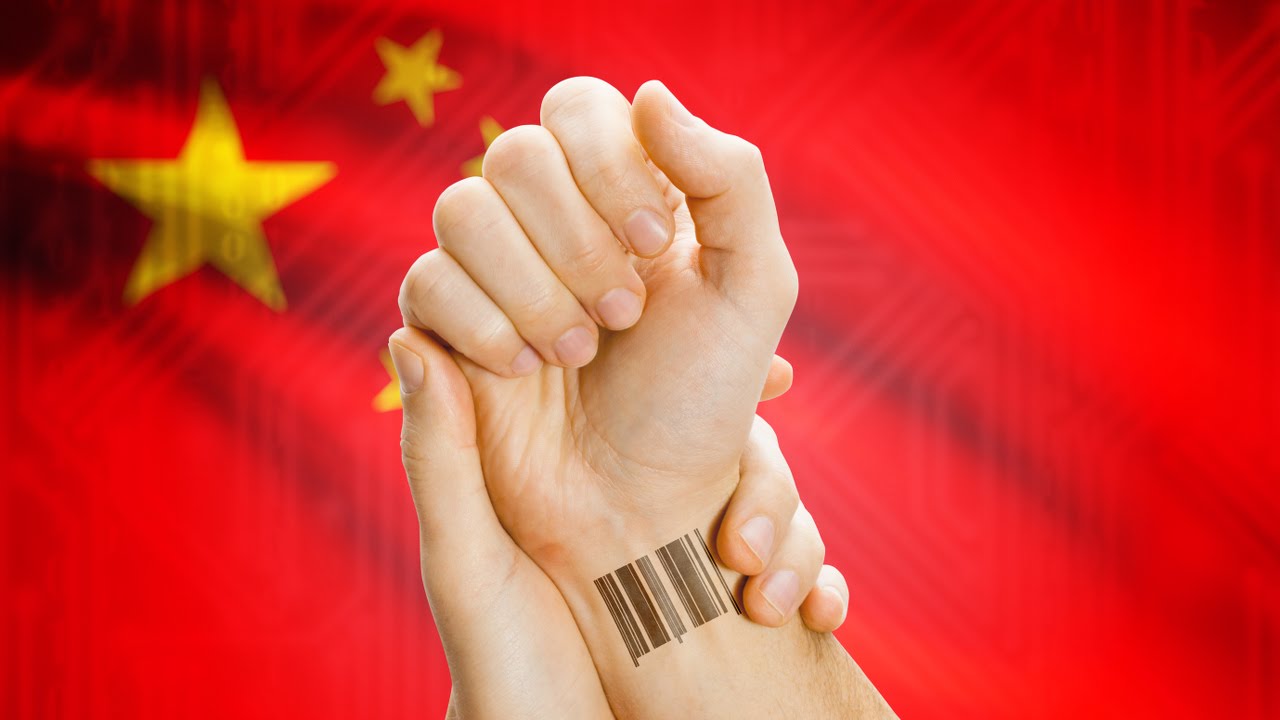
The U.S. houses some of the most impressive technological achievements over the last few decades and its Silicon Valley startup industry is where many of the biggest online giants arose. However, with China succeeding in developing the most powerful supercomputer in the world and without help from the U.S., America could be poised to lose its position as the world’s premiere technological hub.
The supercomputer in question is the “Sunway TaihuLight” and it can reach a whopping 125.4 petaflops at maximum performance, according to the list that Top500 made. To put that in perspective, 1 petaflop is equal to one quadrillion floating point operations per second. Nothing the U.S. has even comes close to that kind of computing power.
To drive the point home that China has become the biggest supercomputing powerhouse in the world, the next most powerful supercomputer on the list is the “Tianhe-2” and at peak, it can only achieve 54.9 petaflops in performance. That is less than half what the “Sunway TaihuLight” can achieve, and the “Tianhe-2” actually uses microprocessors from the U.S. tech company, “Intel.”
As PC World points out, this latest technological marvel by the Chinese is a resounding statement that the world’s emerging top dog no longer requires the assistance of the U.S. for its supercomputing needs. At this rate, the situation might be reversed in the future and America might start relying on China to build effective supercomputers, which would be ironic.
In April 2015, the U.S. banned the export of certain “Intel” microprocessors to China because the government was concerned that the chips are being used to steal U.S. secrets through Chinese hacking activities. Instead of slowing down the Asian giant, it only made them more determined to surpass America. With the emergence of the “Sunway TaihuLight,” it would seem that China’s rise in every industry imaginable is inevitable.







