


 Oil Prices Ease as Iran Tensions Clash With Diplomacy Hopes
  Asian Stocks Fall as Surging Bond Yields Rattle Markets
  Mexico-US Trade Talks Delayed to October as Tariff Negotiations Continue
  US Stock Futures Fall as Treasury Yields Surge Ahead of Trump-Xi Summit
  South Korea, US Discuss Warship Building Cooperation
  Asian Stocks Fall as Bond Yields Surge Ahead of Trump-Xi Summit
  Wall Street Falls as Treasury Yields Surge, Oil Rebounds on Iran Tensions
  Japan Private-Sector Growth Slows as Domestic Demand Weakens
  Fed Unveils Stablecoin Rules Under GENIUS Act
  Fed Unveils Stablecoin Rules Under GENIUS Act
  Oil Prices Jump 3% as Houthi Attack Revives Supply Fears
  US 10-Year Treasury Yield at 6% Emerges as New Market Risk Threshold
  Japanese Bank Stocks Surge as Bond Yields Fuel Rate Hike Bets
  Asian Currencies Mixed as Dollar Holds Near Two-Month High
  Russian Envoy Dmitriev Heads to US for Ukraine Talks
  Gold Prices Fall as Treasury Yields Rise on Fed Rate Hike Bets
  Soybean Futures Slip as Traders Await Trump-Xi Trade Signals


 Add as a preferred source on Google
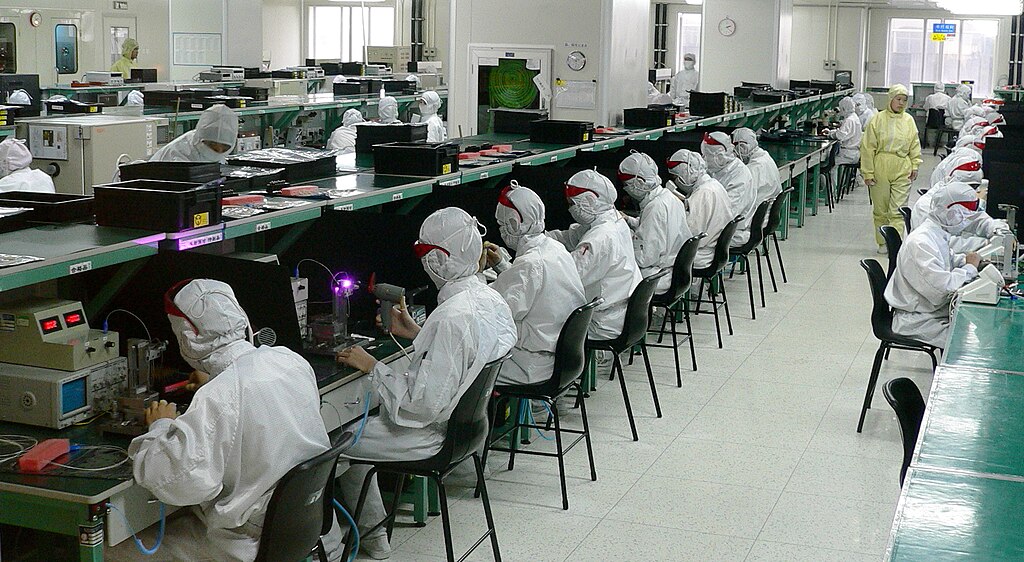
China’s economic growth lost momentum in April 2026 as factory output, retail sales, and investment data all came in below expectations, raising fresh concerns about the country’s fragile recovery and weakening domestic demand.
According to official government figures released Monday, China’s industrial production increased 4.1% year-over-year in April, significantly lower than analysts’ forecasts of 6.0%. The reading also marked a slowdown from the 5.7% growth recorded in March, signaling softer manufacturing activity despite continued export demand.
Retail sales, a key indicator of consumer spending in China, rose just 0.2% compared to the previous year. The figure fell sharply short of expectations for a 2.0% increase and was well below March’s 1.7% gain. The weak consumer spending data highlights ongoing caution among Chinese households as wage growth remains sluggish and deflationary pressures continue to affect the economy.
Meanwhile, fixed-asset investment, which measures spending on infrastructure, property, and other major projects, declined 1.6% year-over-year. Economists had expected a 1.7% increase, making the unexpected drop another sign of slowing economic activity.
Analysts noted that while China’s exports and external demand have provided some support for industrial production, domestic demand remains weak. ING analysts recently stated that most of China’s internal economic indicators continue to show lackluster performance, especially in the retail and property sectors.
The disappointing economic data was released shortly after talks between U.S. President Donald Trump and Chinese President Xi Jinping in Beijing. The leaders discussed trade relations, tariff reductions, and expanded agricultural exports, but the meeting produced few major policy breakthroughs.
Chinese authorities have pledged additional stimulus measures to support economic growth, revive consumer confidence, and stabilize the struggling real estate market. However, economists warn that the ongoing property crisis and weak household sentiment could continue to pressure China’s economy throughout 2026.







