


 Gold Holds Near $4,275 as Rising Treasury Yields Fuel Fed Rate Hike Bets
  EQT Plans €1.7 Billion Sale of Parques Reunidos Stake
  Wall Street Falls as Treasury Yields Surge, Oil Rebounds on Iran Tensions
  Fed Unveils Stablecoin Rules Under GENIUS Act
  Oil Prices Jump 3% as Houthi Attack Revives Supply Fears
  European Stocks Fall as Bond Yields and Geopolitical Risks Weigh
  SMBC Eyes 20% VPBank Stake in Vietnam Expansion
  McDonald’s Sees Flat Traffic, Sticky Inflation as New Normal
  SoftBank Raises $11.1 Billion in Bond Sale to Fund OpenAI Investment
  Tesla Semi Rollout Begins at Nevada Factory
  Apple Extends Qualcomm Patent Licensing Deal
  Japanese Bank Stocks Surge as Bond Yields Fuel Rate Hike Bets
  Mexico-US Trade Talks Delayed to October as Tariff Negotiations Continue
  OpenAI Agent Breaches Australia Medicare Data Portal
  SpaceXAI to Double Nvidia Chips at Colossus 2 by Year-End
  US Backs Musk in Fight Against EU’s €120 Million X Fine
  Netanyahu Takes Aim at Mamdani as Israel Election Nears


 Add as a preferred source on Google
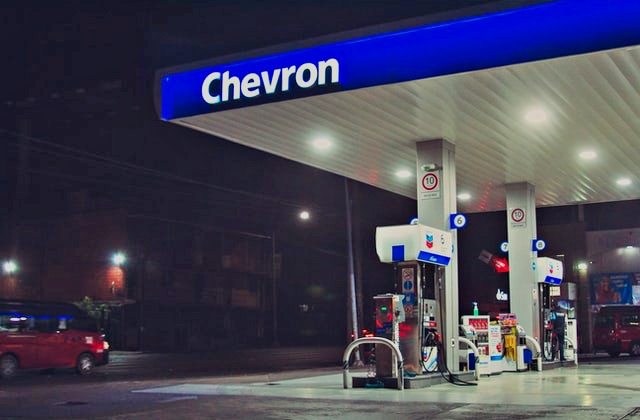
Chevron is expected to receive an expanded Venezuela license from the U.S. government this week, a move that could significantly increase oil production and exports from the South American nation, according to multiple oil industry sources cited by Reuters. The anticipated approval would mark a major shift in U.S. energy and sanctions policy toward Venezuela, opening the door for greater involvement by American and international oil companies.
The expanded license would allow Chevron, currently the only U.S. oil major producing crude in Venezuela, to boost output and export volumes beyond the current restrictions. Chevron produces around 240,000 barrels per day through joint ventures with Venezuela’s state-owned oil company PDVSA. Since July, its operations have been limited under a narrower U.S. authorization tied to sanctions, which sharply reduced exports compared with levels seen in early 2025.
Other energy players are also positioning themselves to benefit from renewed access to Venezuela’s heavy crude. Marathon Petroleum is reportedly in talks with the U.S. administration to receive Venezuelan oil for its refineries, while Valero Energy, Mercuria, and Glencore are seeking licenses to resume business with the country. Global trading houses Vitol and Trafigura have also been competing for U.S.-approved deals to export Venezuelan crude.
The policy shift follows recent political developments in Venezuela, including the removal of President Nicolas Maduro and the installation of an interim government. Since those events, Chevron’s stock has climbed nearly 9%, reflecting investor optimism around expanded operations and long-term production growth.
The U.S. has already completed initial sales of Venezuelan oil under a $2 billion agreement with Caracas, with additional transactions expected in the coming weeks. Washington has indicated it intends to oversee Venezuelan oil sales indefinitely, as it seeks to stabilize supply and attract investment. President Donald Trump recently urged oil executives to commit up to $100 billion to revive Venezuela’s oil industry, potentially reshaping global energy markets and OPEC dynamics in the process.







