


 Tabletop particle accelerator could transform medicine and materials science
  Trump Administration to Launch Autism Initiatives Targeting Acetaminophen Use and New Treatment Options
  Neuralink Expands Brain Implant Trials with 12 Global Patients
  NASA and SpaceX Target Crew-11 Undocking From ISS Amid Medical Concern
  FDA Lifts REMS Requirement for CAR-T Cell Cancer Therapies
  Lost in space: MethaneSat failed just as NZ was to take over mission control – here’s what we need to know now
  Blue Origin’s New Glenn Achieves Breakthrough Success With First NASA Mission
  Trump Signs Executive Order to Boost AI Research in Childhood Cancer
  SpaceX Prioritizes Moon Mission Before Mars as Starship Development Accelerates
  Is space worth the cost? Accounting experts say its value can’t be found in spreadsheets
  SpaceX Starship Explodes in Texas During Test, Citing Nitrogen Tank Failure
  Trump and Merck KGaA Partner to Slash IVF Drug Costs and Expand Fertility Coverage
  Eli Lilly’s Inluriyo Gains FDA Approval for Advanced Breast Cancer Treatment


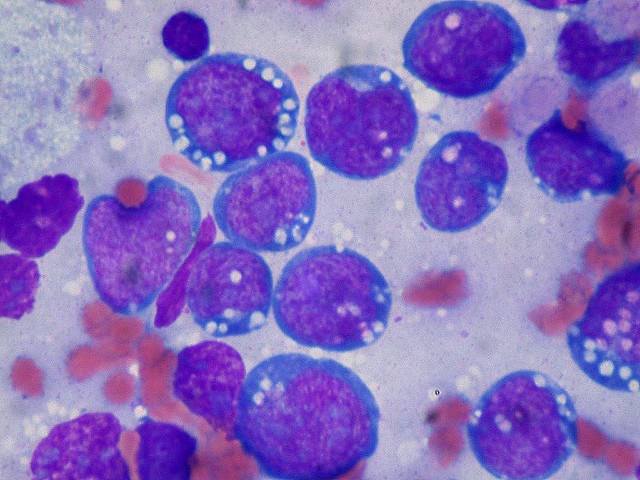
Numerous cancer research is taking place around the world at this moment. While some of it has already shown promising results, there remains an undeniably long work ahead before at least one of them can be officially called a cancer cure. However, the so-called “living drug” or technically known as CAR-T therapy is recently igniting hope among cancer patients that cure is on the horizon.
Cancer cure: Patient from London healed
Patients suffering from lymphoma under the United Kingdom’s National Health Services system were previously given access to CAR-T therapy. Now, 62-year-old Mike Simpson swears by the treatment regimen that made his cancer “run.”
BBC also reports that other patients at the King’s College Hospital, London have been ultimately cured of cancer after receiving the same treatment. CAR-T therapy primarily uses immune system cells — T-cells — that have been taken from the cancer patient themselves.
How the potential cancer cure works
The process starts by taking blood samples from the patient and then filtering out the T-cells. It is then modified to specifically recognize cancer cells and combined with a special receptor called a chimeric antigen receptor. Once completed, the CAR-T cells are then injected back to the patient.
The entire process and where the CAR-T cells come from clearly explains why experts have been calling it a living drug. It is essentially a treatment that, instead of being taken in several batches, is being injected to the cancer patients and functions as live cells inside the body.
Cancer cure: It’s effectivity signals expensive cost
According to reports, Simpson was diagnosed with B-cell lymphoma back in 2015 and has had two chemotherapy sessions. They initially neutralized his cancer, but the illness eventually came back and by late 2018 doctors estimated he had about two years left to live. But he received CAR-T therapy last February and following tests show it is effectively working against his cancer cells.
CAR-T therapy is slated to be tested on hundreds of patients in the coming months. Once it is cleared for public consumption, patients who need it, unfortunately, has to face the daunting fact that this possible cancer cure will certainly not come cheap.













