


 SoftBank Eyes Up to $25B OpenAI Investment Amid AI Boom
  Wall Street Rebounds as Investors Eye Tariff Uncertainty, Jobs Report
  South Korea to End Short-Selling Ban as Financial Market Uncertainty Persists
  US Dollar Slips as Soft Economic Data Eases Fed Rate Hike Expectations
  Bitcoin Hits $100K Milestone Amid Optimism Over Trump Policies
  How the UK’s rollback of banking regulations could risk another financial crisis
  Dollar Slides as Soft U.S. Data Cuts Fed Rate Hike Bets
  Yen Edges Higher as Weak US Data Dampens Fed Rate Hike Expectations
  US Stock Futures Steady as Cooling Inflation and Strong Earnings Support Markets
  US Stock Futures Mixed as Fed Rate Hike Bets Fade, AI Deals in Focus
  Ferrari Group to Launch IPO in Amsterdam, Targets Over $1 Billion Valuation
  US Eyes Refinery Boost as Trump Seeks Relief From High Gas Prices
  Australian Consumer Sentiment Jumps 6% in August as Rate Outlook Improves
  Oil Prices Rise as U.S.-Iran Tensions Grip Strait of Hormuz
  Canada Faces 50% U.S. Tariffs as Trade Tensions Threaten USMCA Talks
  Investors Brace for Market Moves as Trump Begins Second Term


 Add as a preferred source on Google
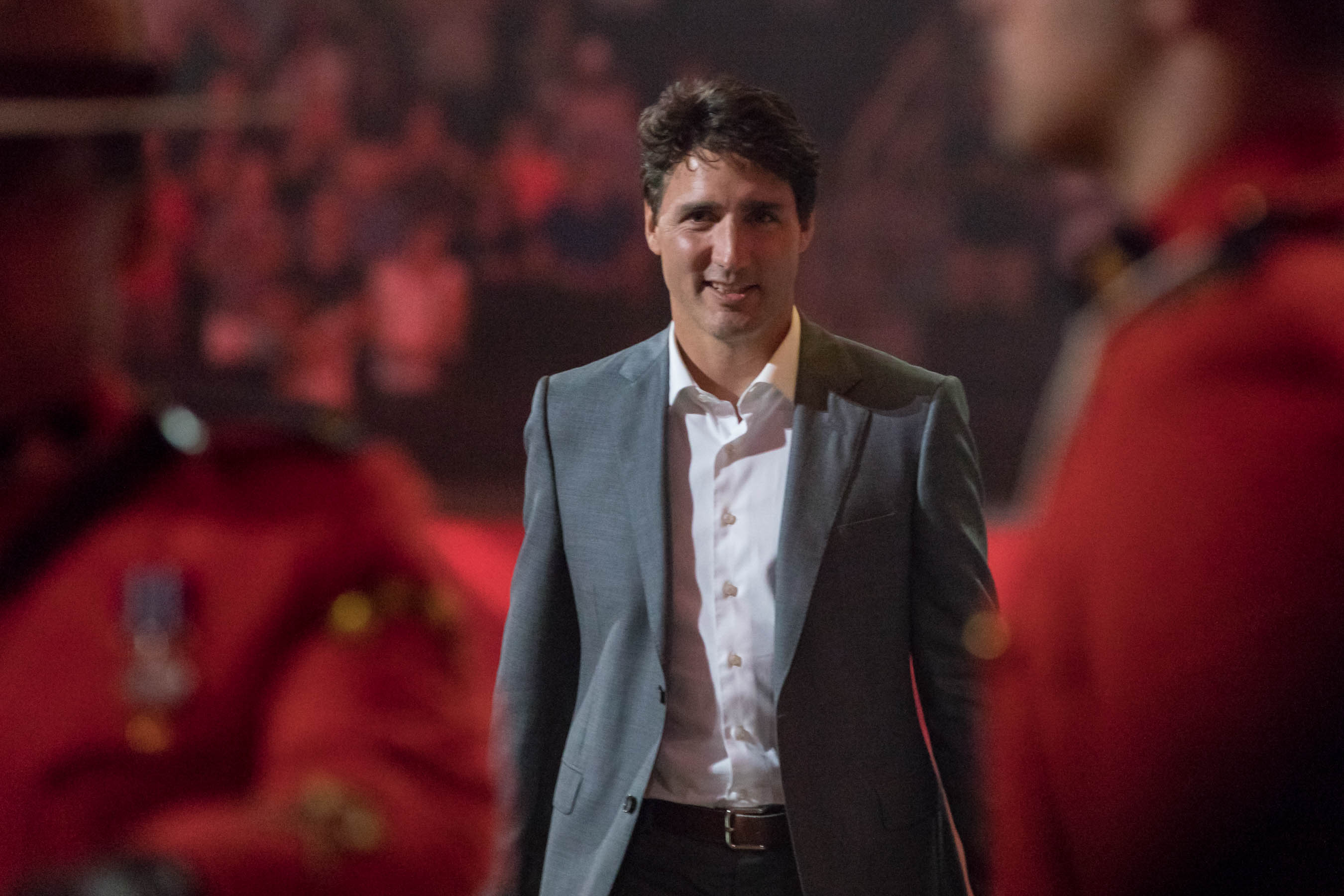
Canada will scrutinize health-related foreign investments to make sure that other countries aren't taking advantage of the pandemic to pursue takeovers.
The companies to be examined "with particular attention" are those investments related to public health or those that supply critical goods with close ties to other governments.
According to a policy statement released by Canada on Saturday, some investments "by state-owned enterprises may be motivated by non-commercial imperatives that could harm Canada's economic or national security interests."
"There are vulnerable businesses that are going to be important to our recovery who are perhaps exposed to foreign purchases," said Prime Minister Justin Trudeau on Sunday.
Other countries have also tightened investment rules during the pandemic, including Australia, which announced last month that their government would need to approve all foreign takeovers, no matter how small.
COVID-19 has spread rapidly across Canada and, as of April 16, has registered almost 30,000 cases and over 1000 deaths. The country has also been hit hard by the sharp global decline in oil prices.
Canada's economy is in a near halt due to measures to curb the spread of the virus, including the shutdown of non-essential businesses.
Federal and provincial governments are imposing a range of measures to control the spread of the coronavirus, which includes travel restrictions, social distancing, and closures of many non-essential businesses.
The country's S&P/TSX Composite Index has plummeted by almost 16 percent since the start of 2020.
According to the policy statement, the country will leave the measures in place until its economy recovers from the crisis.
Canada is working with international groups, fast-tracking clinical trials, and applications for treatments, vaccines, and diagnostic tests. The country is also working closely with the United States Food and Drug Administration, the European Medicines Agency, and the Therapeutic Goods Administration to share information on global supply disruptions.







