


 China Cuts Tariffs on U.S. Farm Goods but Excludes Soybeans
  UN Experts Urge US to Halt Third-Country Migrant Deportations
  Bitcoin Slides Below $84K as Trump Signals Possible New Iran Strikes
  North Korea Tests Drone-Missile Swarm Attack Tactics
  UK Police Probe Foreign State Link in RAF Fairford Plot
  Haiti Gang Retaliation Kills at Least 11 in Artibonite
  China Says U.S. Shares Responsibility for AI Governance
  Taiwan Pushes Back on China’s World War Two Narrative After Trump-Xi Summit
  Russian Drone Strikes Kill Nine Across Ukraine, Hit Kyiv Science Academy
  Russian Bomb Strike on Kharkiv Injures 22, Including Children
  Second DOJ Lawyer Exits Trump Probe
  California Bans Memecoins Issued by Public Officials Under New Law
  Iran Warns US Against Renewed Attacks as Hormuz Tensions Rise
  China, US Extend Trade Truce Through January 10 After Trump-Xi Summit
  Trump Denies Offering Iran Sanctions Relief for Nuclear Concessions
  UK Police Arrest Five in RAF Fairford Terror Probe
  National Rally Secures French Senate Caucus for First Time


 Add as a preferred source on Google
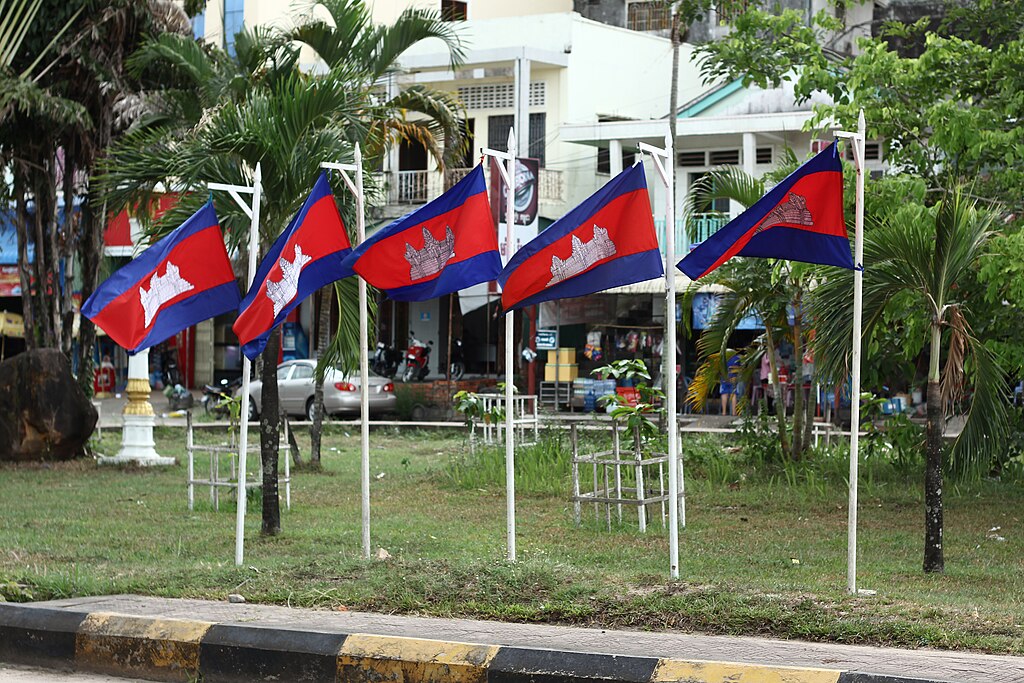
Cambodia has formally initiated a United Nations-backed compulsory conciliation process to address its long-running maritime boundary dispute with Thailand, a move that could pave the way for access to vast oil and natural gas reserves in the Gulf of Thailand.
The maritime dispute between Cambodia and Thailand centers on an overlapping claims area covering approximately 26,000 square kilometers in the Gulf of Thailand. Both countries have asserted sovereignty over the resource-rich zone for more than 25 years. According to estimates, the disputed area contains nearly 12 trillion cubic feet of natural gas and significant oil reserves, with a potential value of around $300 billion.
In 2001, Cambodia and Thailand signed an agreement aimed at creating a framework for the joint development of energy resources within the contested waters. However, Thailand recently terminated the pact, fulfilling a campaign promise by Prime Minister Anutin Charnvirakul. The decision came after tensions escalated following two rounds of deadly clashes along a disputed land border between the neighboring Southeast Asian nations.
Cambodia is now seeking resolution through compulsory conciliation under the United Nations Convention on the Law of the Sea (UNCLOS). The rarely used mechanism allows one member state to initiate a formal dispute resolution process against another. Under the procedure, each country appoints two conciliators who then select a fifth member to chair the Conciliation Commission. The panel examines legal arguments and factual evidence before issuing non-binding recommendations, which are also submitted to the UN Secretary-General.
The process has only been successfully used once before. Timor-Leste employed compulsory conciliation in 2016 to resolve a decades-long maritime boundary dispute with Australia. Following negotiations facilitated by the commission, both countries signed a maritime boundary treaty at the United Nations headquarters in 2018.
Cambodia has appointed Foreign Minister Prak Sokhonn as its representative in the proceedings and selected Danish diplomat Peter Taksøe-Jensen and French legal scholar Jean-Marc Thouvenin as conciliators. Taksøe-Jensen previously chaired the commission that helped mediate the Timor-Leste-Australia agreement.
Thailand has 21 days from receiving Cambodia’s notice to appoint its conciliators. If Bangkok fails to do so, Cambodia may request the UN Secretary-General to make the appointments on Thailand’s behalf. Prime Minister Anutin stated that he was unaware of the filing when questioned by reporters and said Thailand would consider its next steps based on UNCLOS principles.
Once four conciliators are appointed, they must select a chairperson within 30 days before formal proceedings begin. The outcome could significantly influence the future of energy exploration, maritime boundaries, and regional cooperation in the Gulf of Thailand.







