


 Telus Corp. Confirms Cybersecurity Breach Amid Extortion Threat
  Apple Bets Big on India: iPhone Production Hits 55 Million Units as China Reliance Fades
  Amazon Moves Prime Day to June: What It Means for Shoppers and the Market
  Tesla Energy Ventures Limited Receives Ofgem Licence to Supply Electricity in Great Britain
  O'Hare Flight Cuts: Chicago Pushes Back as FAA Weighs Summer Limits
  Microsoft Azure First to Validate NVIDIA's Vera Rubin NVL72, Signaling a New Era in AI Infrastructure
  Pokemon Pokopia Sells 2.2 Million Copies in Four Days, Boosting Nintendo Switch 2 Momentum
  Rio Tinto Suspends Kennecott Mine Operations After Fatal Contractor Incident
  Ulta Beauty Profit Forecast Misses Wall Street Expectations Amid Rising Costs
  Apple MacBook Neo Earns Best Repairability Score in Over a Decade, But Falls Short of Competitors
  China Escalates BHP Iron Ore Ban Amid Contract Dispute
  ANZ and Westpac Forecast Two RBA Rate Hikes in March and May 2026
  Honda Faces $4.3 Billion Loss After Scrapping EV Plans
  Stellantis Shareholder Fraud Lawsuit Dismissed by U.S. Judge
  U.S. Pulls Back Proposed AI Chip Export Rule Amid Policy Uncertainty


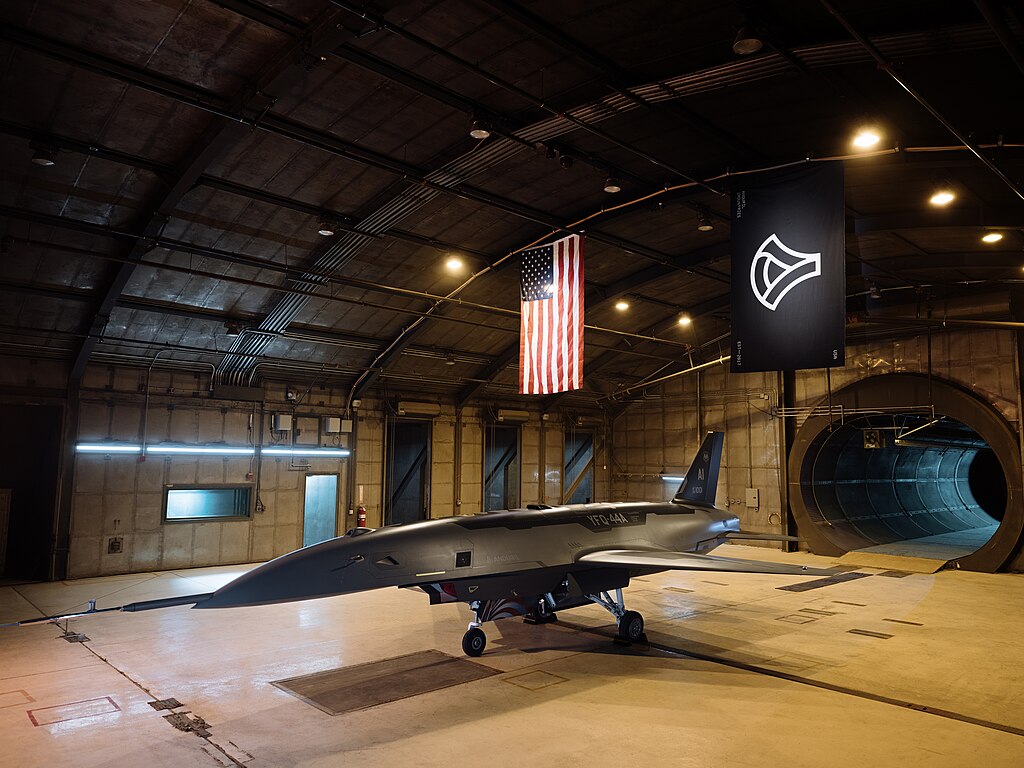
Anduril Industries has secured a landmark $20 billion firm-fixed-price contract with the U.S. Army, marking one of the most significant defense-tech awards in recent memory. The 10-year agreement, running through March 2036, tasks the private defense company with unifying commercial and military AI capabilities into a single, mission-ready ecosystem built around its proprietary Lattice software platform.
Lattice is an open-architecture AI operating system engineered to consolidate data streams from drones, sensors, and legacy military infrastructure into one unified operational picture. Under the contract, Anduril will integrate both current and future commercial solutions into this framework, with specific work locations and funding allocations determined on an order-by-order basis through the Army Contracting Command.
While Anduril remains privately held, institutional investors are increasingly focusing on what this contract means for Palantir Technologies (NASDAQ: PLTR). The two companies formalized a strategic AI consortium in late 2024, specifically designed to close the "edge-to-cloud" data gap in modern warfare. In this division of labor, Anduril's Lattice manages real-time tactical data at the battlefield edge, while Palantir's Artificial Intelligence Platform and Maven Smart System handle large-scale data modeling and command-level decision support.
Analysts describe the Anduril win as a strong positive read-through for Palantir, reinforcing the investment thesis that purpose-built defense AI platforms are becoming indispensable to U.S. military modernization. The contract effectively validates the broader "Silicon Valley Defense" model, where commercially developed AI solutions are being integrated into active military operations at scale.
As the Army begins deploying orders under the $20 billion umbrella, market attention will turn to the speed at which these technologies reach operational theaters, and how deeply Palantir's platforms are embedded within each deployment cycle, potentially expanding its defense revenue footprint well beyond current projections.













