


 Asian Currencies Mixed as Aussie Dollar Rises on Hot Inflation
  Bank of Korea Raises Rates to 3% as Inflation Stays Sticky
  Qatar LNG Exports Plunge 96% as U.S.-Iran War Disrupts Gulf Energy Trade
  Japan Eyes Tax Changes to Curb Condo Speculation
  Trump Escalates Canada Trade War With 50% Tariffs
  Oil Prices Slide on U.S.-Iran Ceasefire Reports, Hormuz Talks
  Gold Prices Fall as Stronger Dollar, Fed Rate Outlook Weigh
  Australia Inflation Beats Forecasts, Raising RBA Rate Hike Risk
  Asian Currencies Mixed as Dollar Holds Firm Ahead of Jackson Hole
  Asian Stocks Slip Ahead of Nvidia Earnings and US Inflation Data
  US-Canada Tariff War Escalates With 50% Auto Duties
  Hong Kong Home Prices Fall 0.5% in July, Ending Long Winning Streak
  Dollar Rises as Hotter PCE Inflation Lifts Fed Rate Hike Bets
  Asian Stocks Rebound as Oil Prices Fall, Nvidia Earnings in Focus
  Oil Prices Fall as Middle East Ceasefire Hopes Rise
  Japan Firms Ramp Up Yen Hedging as Currency Weakness Persists


 Add as a preferred source on Google
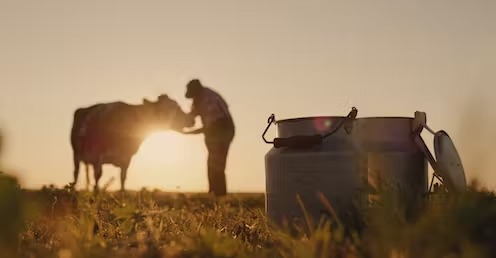



On Oct. 12, National Farmers’ Day, Americans honor the hardworking people who keep the world fed and clothed.
But the farming labor force has a problem: It’s aging rapidly.
The average American farmer is 57 and a half years old, according to the most recent data from the U.S. Department of Agriculture. That’s up sharply from 1978, when the figure was just a smidge over 50.
As researchers who study well-being in rural areas, we wanted to understand this trend and its implications. So we dug into the data.
Amber waves of graying
We found that the average age of farmers was fairly consistent across the country, even though the general population’s age varies quite a bit from place to place.
For example, the average Maine farmer is just a few months older than the average farmer in Utah, even though the average Maine resident is more than a decade older than the average Utahn.
To be fair, we did find some local differences. For example, in New York County – better known as Manhattan – the average farmer is just north of 31. Next door in Hudson County, New Jersey, the average farmer is more than 72.
On the whole, though, America’s farming workforce is getting older. If the country doesn’t recruit new farmers or adapt to having fewer, older ones, it could put the nation’s food supply at risk. Before panicking, though, it’s worth asking: Why is this happening?
A tough field to break into
To start, there are real barriers to entry for young people – at least those who weren’t born into multigenerational farming families. It takes money to buy the land, equipment and other stuff you need to run a farm, and younger people have less wealth than older ones.
Young people born into family farms may have fewer opportunities to take them over due to consolidation in agriculture. And those who do have the chance may not seize it, since they often report that rural life is more challenging than living in a city or suburb.
The overall stress of the agriculture industry is also a concern: Farmers are often at the mercy of weather, supply shortages, volatile markets and other factors entirely out of their control.
The ups and downs of farm life take center stage in “On the Farm,” a docuseries produced by Mississippi State University.
In addition to understanding why fewer younger people want to go into agriculture, it’s important to consider aging farmers’ needs. Without younger people to leave the work to, farmers are left with intense labor — physically and mentally – to accomplish, on top of the ordinary challenges of aging.
In other words, the U.S. needs to increase opportunities for younger farmers while also supporting farmers as they age.
Opportunities to help
The USDA already has programs to aid new farmers, as well as farmers of color and female farmers, and those who operate small farms. Expanding these programs’ reach and impact could help bring new talent into the field.
Congress could do just that when it reauthorizes the farm bill – a package of laws covering a wide range of food – and agriculture-related programs that get passed roughly every five years.
The farm bill also includes nutrition aid and funds telehealth and training and educational outreach for farmers, all of which could help meet the needs of young and aging farmers alike. Notably, the Cooperative Extension Service offers programs that range from 4-H and youth development, including introduction to agriculture, to providing on-site technical help.
Congress was supposed to reauthorize the farm bill by Sept. 30, 2023, but it missed that deadline. It now faces a new deadline of Dec. 31, but due to dysfunction in the House of Representatives, many expect the process to drag on into 2024.
Also in 2024, the USDA will release its next Census of Agriculture, giving researchers new insight into America’s farming workforce. We expect it will show that the average age of U.S. farmers has reached a new all-time high.
If you believe otherwise – well, we wouldn’t bet the farm.







