


 Ukraine Faces $56 Billion Budget Gap as War Costs Soar
  Lula Weighs Alckmin as Finance Minister to Boost Fiscal Credibility
  Flavio Bolsonaro Surges as Family Scores Brazil Election Comeback
  Flavio Bolsonaro, Lula Head to Brazil Election Runoff
  Ethiopia-Tigray Fighting Intensifies as Airstrikes Kill 17
  North Korea Slams US Taiwan Arms Sales, Reaffirms Russia Support
  New York Declares Measles Disaster Emergency as Cases Surge
  Ukraine to Intensify Strikes on Russian Oil Refineries
  Takaichi Pledges to Control Japan Bond Issuance
  France Student Protests Intensify Nationwide
  Trump Opens Tax-Exempt Dyed Diesel Access as Fuel Prices Surge
  Trump Gaza Peace Plan Stalls as Israel Retains Control
  Trump Plans Diesel Tax Relief as Fuel Prices Hit Record Highs
  India-US Trade Deal Talks Hit Plateau, Sitharaman Says
  Becton Dickinson to Invest $3 Billion in U.S. Medical Manufacturing
  US DOT Ends Airline Privacy Review Without Enforcement
  US Army Tests Counter-Drone Technology Along Mexico Border


 Add as a preferred source on Google
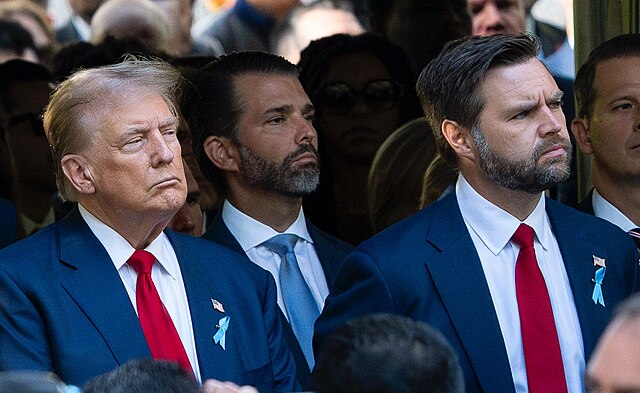
US Vice President JD Vance said Iran must significantly reduce its nuclear enrichment capacity before Washington will agree to end the seven-month US-Iran war, stressing that concrete action rather than diplomatic assurances is required.
In an exclusive Reuters interview following a campaign trip to Alaska, Vance questioned why Tehran needs uranium enriched to 60% if it does not intend to develop nuclear weapons. He said a “meaningful” reduction in enrichment capacity would demonstrate Iran’s commitment to remaining non-nuclear.
“We’re not going to trade words for actions,” Vance said.
The United States and Iran have exchanged proposals in recent weeks aimed at ending the conflict and reopening the Strait of Hormuz, a crucial route for global oil and energy shipments. President Donald Trump rejected Tehran’s latest proposal and has warned that US military operations could intensify after the November midterm elections.
Vance, who helped negotiate a provisional September peace agreement that quickly collapsed, said another obstacle is uncertainty in Washington over Iran’s current decision-making structure. The US has been negotiating with Iranian President Masoud Pezeshkian and Foreign Minister Abbas Araqchi, but Vance questioned how much authority they hold following the death of Supreme Leader Ayatollah Ali Khamenei in joint US-Israeli strikes early in the war.
Iran has rejected Washington’s characterization. Foreign Ministry spokesperson Esmaeil Baghaei said US officials understand Iran’s leadership structure and accused Washington of issuing contradictory messages.
Vance also dismissed concerns about critical US ammunition shortages and said Iranian forces can occasionally attack commercial vessels in the Strait of Hormuz but have largely failed to stop energy exports.
The conflict, estimated to cost the US about $3 billion per month, has become an important political issue ahead of the midterms. Higher energy prices are adding pressure on Trump and Republican candidates.
Campaigning for Alaska Senator Dan Sullivan, Vance urged voters not to abandon Republicans over the war. Asked about his own political future, Vance said he has not decided whether to run for president in 2028, adding that he has given the possibility little thought.







