


 ECB Rate Hike Bets Rise as Inflation Risks Persist
  Oil Prices Edge Higher as US-Iran Sanctions Fuel Supply Concerns
  US-Canada Tariff War Escalates With 50% Auto Duties
  Asian Currencies Slip as Dollar Rebounds on Iran Sanctions
  Trump Escalates Canada Trade War With 50% Tariffs
  Qatar LNG Exports Plunge 96% as U.S.-Iran War Disrupts Gulf Energy Trade
  UK Economy Shows Strength as Burnham Gets Early Boost
  Oil Prices Slide on U.S.-Iran Ceasefire Reports, Hormuz Talks
  Gold Hits Three-Month High as Treasury Moves Fuel Rally
  U.S. Unleashes New Iran Sanctions, Targets Oil, Crypto and Trade Networks
  Asian Stocks Slip Ahead of Nvidia Earnings and US Inflation Data
  RBA Debated Rate Hike as Inflation Risks Persist
  Japan Eyes Tax Changes to Curb Condo Speculation
  Asian Stocks Rebound as Oil Prices Fall, Nvidia Earnings in Focus
  Dollar Hovers Near Multi-Month Lows as Treasury Buybacks Rattle Markets
  Asian Stocks Slide as Samsung, Alibaba Lead Tech Selloff


 Add as a preferred source on Google
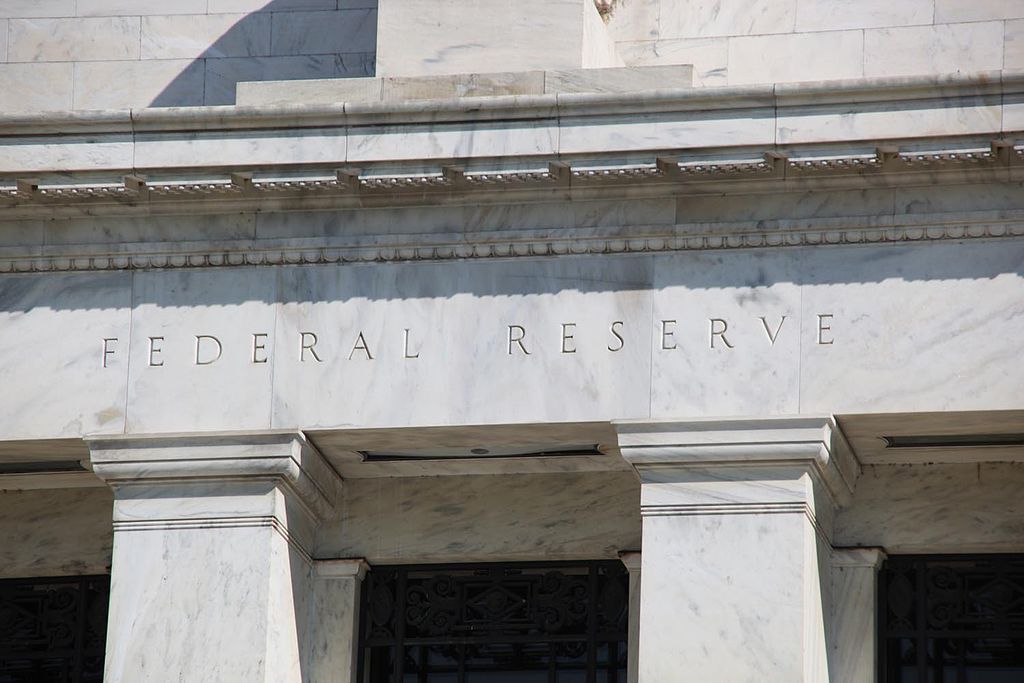
The Federal Reserve’s preferred inflation gauge remained elevated in July, reinforcing concerns over persistent U.S. price pressures ahead of the central bank’s September interest rate decision.
The Personal Consumption Expenditures (PCE) Price Index increased 0.2% month-on-month in July after declining 0.1% in June, according to Commerce Department data released Wednesday. On an annual basis, PCE inflation held at 3.7%, unchanged from June and slightly above economists’ forecast of 3.6%.
Energy costs have remained a key source of inflationary pressure amid the ongoing Middle East conflict. However, benchmark oil prices fell below $90 per barrel this week as investors grew more optimistic about diplomatic efforts aimed at restoring shipping through the Strait of Hormuz.
Core PCE inflation, which excludes volatile food and energy prices, rose 0.2% from June. The annual core rate remained at 3.3%, matching economists’ expectations.
Chris Zaccarelli, chief investment officer at Northlight Asset Management, said the unchanged annual core PCE reading could give the Fed more flexibility to keep interest rates steady despite stronger monthly inflation figures.
The PCE index remains significantly above the Federal Reserve’s 2% inflation target, complicating policymakers’ efforts to balance price stability with employment and economic growth. Three Federal Open Market Committee policymakers supported a rate increase at last month’s meeting.
Markets currently assign roughly a 60% probability that the Fed will maintain its benchmark interest rate at 3.5% to 3.75% in September, while the probability of a 25-basis-point hike stands near 40%, according to CME FedWatch.
Fed Chair Kevin Warsh is scheduled to speak at the Jackson Hole symposium later this week. Warsh has emphasized the Fed’s commitment to controlling inflation while noting that higher government bond yields may already be tightening financial conditions.
Separately, personal income increased 0.4% in July, accelerating from 0.2% in June. Consumer spending rose 0.2%, easing from 0.3% but exceeding forecasts. Updated government data also showed the U.S. economy expanded at a 1.5% annualized rate in the second quarter, supported by resilient consumer demand and heavy investment in artificial intelligence infrastructure.







