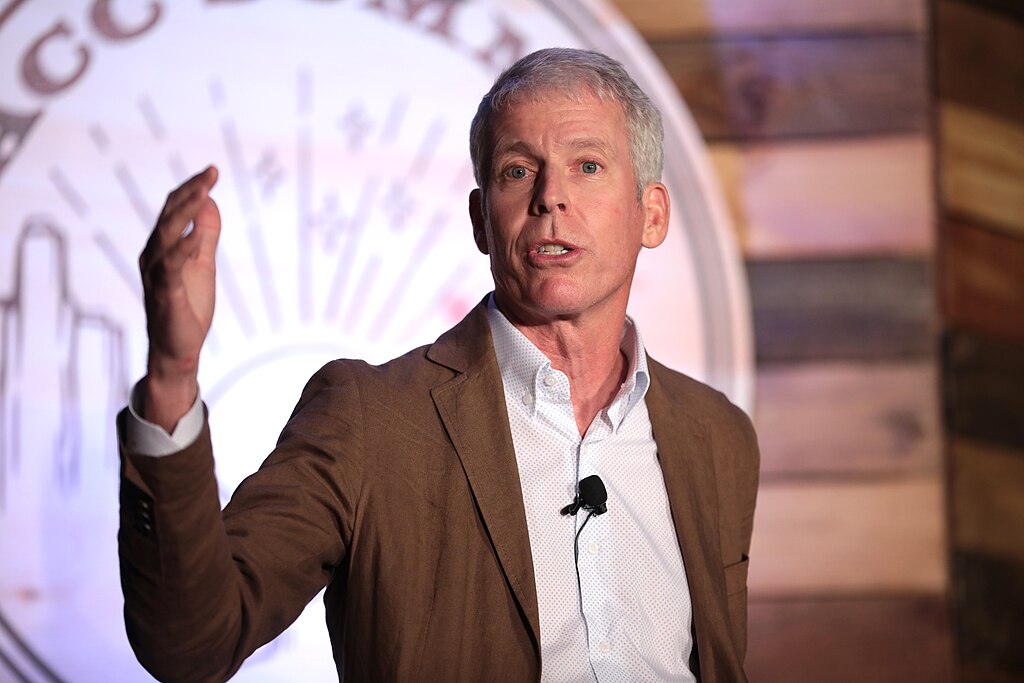
U.S. Energy Secretary Chris Wright said Washington is preparing measures to help refiners increase fuel production as the Trump administration looks for ways to bring down gasoline prices following the U.S.-Israeli war on Iran.
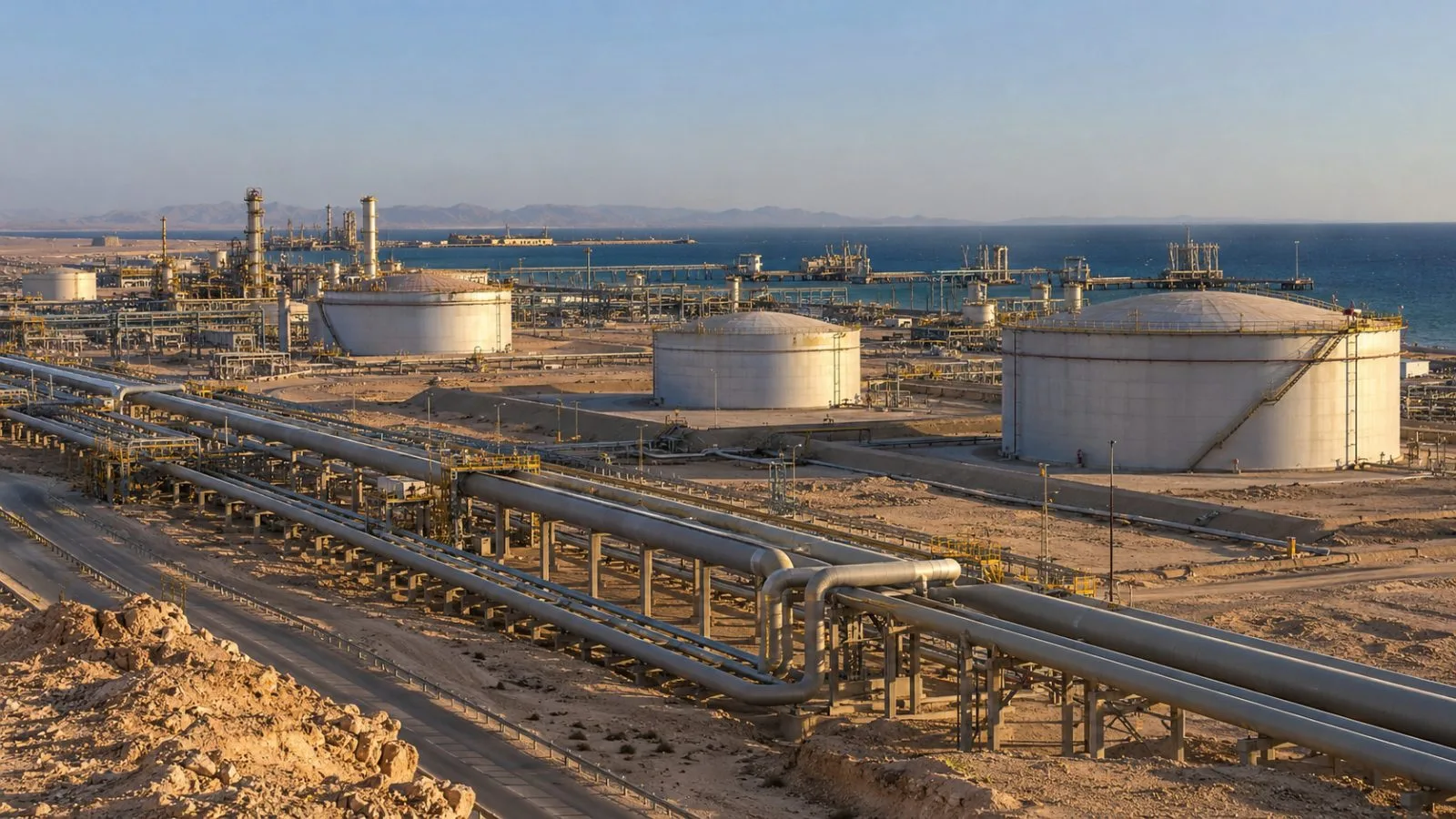
Speaking Monday at an ExxonMobil-operated oil rig in Midland, Texas, Wright said U.S. refineries are already operating at exceptionally high rates, supported by stronger refining margins. However, reduced refinery activity in the Middle East has tightened global fuel supplies.
Wright said he met with U.S. refiners to discuss steps the federal government could take to help facilities further increase throughput. According to the energy secretary, boosting refinery output both domestically and internationally will be critical to lowering gasoline prices.
The issue carries political significance for President Donald Trump and Republicans ahead of November's midterm elections. Average U.S. regular gasoline prices have climbed above $4.06 per gallon, according to AAA, rising by more than $1 from a year earlier, or nearly 30%.
Trump defended the higher fuel costs during a political rally in New York, arguing that Americans paying slightly more for gasoline was justified by efforts to prevent Iran from obtaining a nuclear weapon.
Wright echoed that position, saying Trump was asking Americans for patience while pursuing a longer-term strategy toward Iran.
The energy secretary also said about 30 ships traveled through the Strait of Hormuz on both Saturday and Sunday. He added that Iran is currently unable to export oil and said U.S. efforts to escort shipping through the strategically important waterway would continue improving.
Before the conflict, roughly 20 million barrels of oil per day moved through the Strait of Hormuz, making disruptions there a major concern for global oil markets and fuel prices.
Asked whether Trump could continue applying pressure as sanctions and restrictions on Iranian oil exports tighten, Wright said the president has room to wait, describing the administration's approach as a "long game."