


 Trump Questions Housing Bill as He Prioritizes SAVE America Act
  Russia Intensifies Assault on Kostiantynivka as Ukraine’s Donetsk Defense Faces Mounting Pressure
  Serbia Protests Continue as Thousands Rally Despite Vucic’s Resignation Plan
  Ukraine Strikes Russian Titan-Barrikady Plant With Long-Range FP-5 Flamingo Missile
  Canada Grants C$7 Million to Greenland Molybdenum Mine to Strengthen Critical Minerals Supply
  Trump Urges Gasoline Retailers to Cut Prices to $2.50 Per Gallon, Warns of Legal Action
  US, Iran Agree to Halt Attacks Ahead of Doha Talks on Strait of Hormuz
  Trump Threatens 100% Tariffs on Countries Imposing Digital Services Taxes on U.S. Tech Firms
  Javier Milei Cabinet Chief Manuel Adorni Resigns Amid Spending Scandal Investigation
  Australia, Vanuatu Sign Security Pact Amid Pacific Influence Competition
  Israeli Airstrike Kills Three in Central Gaza Despite Ceasefire
  Trump Announces September Overhaul of Washington’s East Potomac Golf Links
  Iran Skips U.S. Technical Talks Over Unmet MoU Conditions and Frozen Funds Dispute
  China Expands Export Controls, Adds 20 Japanese Companies to Restricted List
  Despite its best efforts, Iran won’t be able to toll the Strait of Hormuz. Here’s why
  Russian Attacks on Dnipro, Zaporizhzhia, and Kharkiv Kill 10 as Ukraine Vows Response
  Maria Corina Machado Vows Return to Venezuela After Earthquakes Despite Obstacles


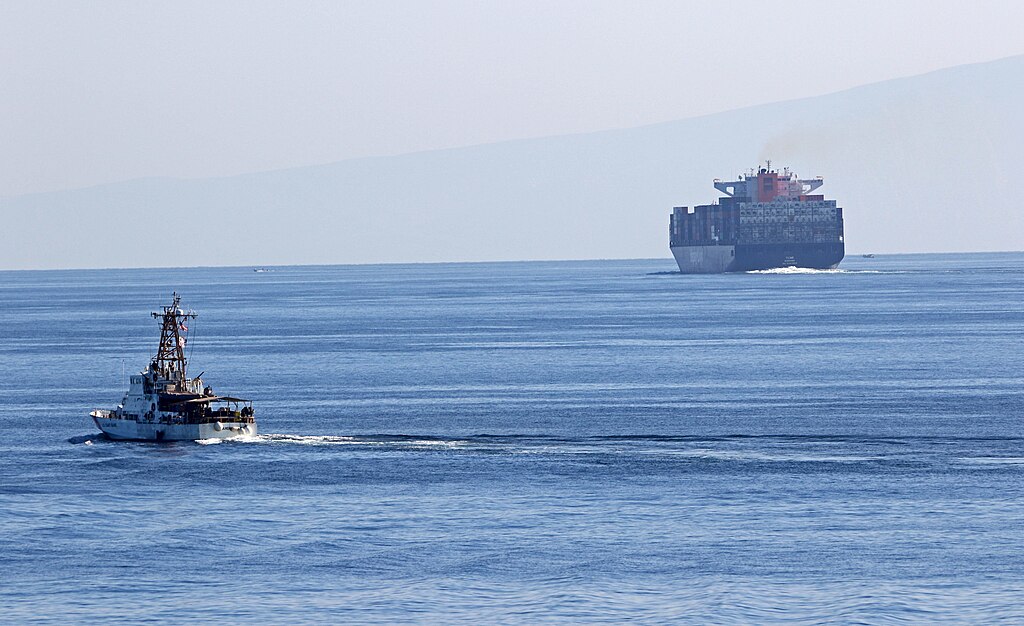
The United Nations Security Council is preparing to vote Saturday on a Bahraini-led resolution aimed at protecting commercial shipping through the Strait of Hormuz, a critical global oil transit route that has been effectively shut down following U.S. and Israeli strikes on Iran in late February. The conflict, now over a month old, has sent oil prices sharply higher and raised alarm among trading nations worldwide.
Bahrain, currently chairing the 15-member Security Council, finalized a draft resolution that would authorize "all defensive means necessary" to safeguard commercial vessels navigating the strategically vital waterway. The resolution, supported by Gulf Arab states and the United States, would remain in effect for a minimum of six months unless the council decides otherwise. To pass, it requires at least nine votes in favor with no vetoes from any of the five permanent members — the U.S., UK, France, Russia, and China.
China, however, signaled firm opposition. Chinese UN envoy Fu Cong warned that authorizing force risked "legitimizing unlawful and indiscriminate" military action, potentially escalating the crisis further. France and Russia also broke a required silence procedure on an earlier draft, complicating negotiations before a final text was eventually cleared for a vote.
Bahrain's Foreign Minister Abdullatif bin Rashid Al Zayani condemned Iran's attempts to dominate international navigation in the Hormuz Strait, calling it a threat to global economic stability that demands a decisive multilateral response. The Arab League echoed this position, pledging its full backing for the resolution.
Meanwhile, U.S. President Donald Trump reaffirmed Washington's commitment to continued military action but offered no concrete strategy for reopening the strait, further unsettling energy markets and global shipping stakeholders who depend heavily on the passage for oil and goods movement.







