


 Trump Administration Launches Trade Investigations Against 16 Countries Over Industrial Overcapacity
  U.S. and Russia Hold Diplomatic Talks in Florida Amid Ongoing Tensions
  U.S. Senate Greenlights AI Chatbots for Official Staff Use
  Iran's Government Remains Stable Despite U.S. and Israeli Strikes, Intelligence Shows
  U.S. Calls for Reassessment of International Aid to Taliban-Ruled Afghanistan
  After the Iran war, Persian Gulf nations face tough decisions on the US – a former diplomat explains
  Iran Mines Strait of Hormuz: Crude Oil Prices Surge Amid Middle East Tensions
  FBI Warns of Possible Iranian Drone Attacks on California Amid U.S.-Iran War
  Pentagon Taps Wall Street Talent to Manage $200 Billion Defense Investment Fund
  Trump Announces New U.S. Oil Refinery in Texas with Indian Energy Giant Reliance
  Shots Fired at U.S. Consulate in Toronto in Suspected National Security Incident
  Boeing Secures $289 Million Smart Bomb Contract With Israel
  Israel-Iran War: Herzog Urges Patience as U.S. and Israeli Strikes Intensify
  Trump Administration Spent $5.6 Billion in Munitions in Opening Days of Iran Strikes
  Trump Doubts Iran Mining Reports as Strait of Hormuz Tensions Escalate
  Taiwan's MQ-9B SkyGuardian Drone Order Stays on Schedule Despite Middle East Conflict


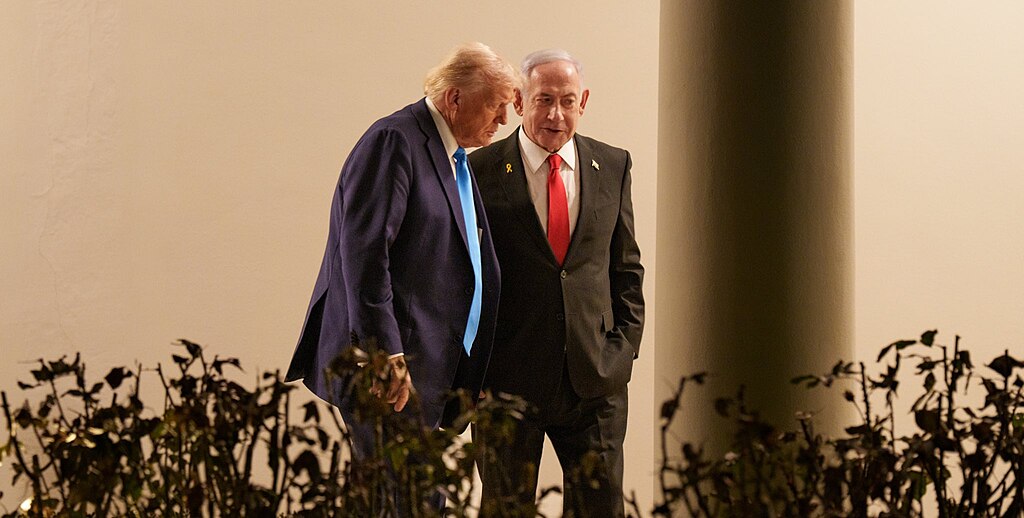
President Donald Trump and Israeli Prime Minister Benjamin Netanyahu have agreed to intensify efforts to curb Iran’s oil exports to China, according to a report by Axios citing senior U.S. officials. The decision followed a high-level meeting at the White House, where both leaders discussed increasing economic pressure on Tehran as part of a broader strategy to counter Iran’s regional influence and nuclear ambitions.
A senior U.S. official told Axios that Washington and Jerusalem plan to implement “maximum pressure” measures targeting Iranian oil sales, particularly shipments to China. Beijing currently purchases more than 80% of Iran’s crude oil exports, making it Tehran’s most critical energy customer. Any significant reduction in these exports could sharply cut Iran’s oil revenue, further straining its economy amid ongoing sanctions.
The renewed focus on limiting Iran-China oil trade comes at a sensitive time. U.S. and Iranian diplomats recently engaged in indirect nuclear talks through Omani mediators in an attempt to revive stalled diplomacy. These discussions aim to ease escalating tensions surrounding Iran’s nuclear program and potential sanctions relief.
At the same time, the United States has increased its military presence in the region. President Trump ordered a naval flotilla to strategic waters as the U.S. military prepares for the possibility of prolonged operations if negotiations fail. The move underscores Washington’s dual-track approach: pursuing diplomacy while maintaining military readiness.
Analysts say efforts to restrict Iranian oil exports to China could have broad implications for global energy markets, U.S.-China relations, and Middle East stability. As geopolitical tensions rise, the effectiveness of renewed sanctions and diplomatic engagement will likely shape the next phase of the Iran nuclear crisis.













