SpaceX, the renowned space exploration company founded by Elon Musk, has encountered a setback with one of its most iconic rocket boosters.
The Falcon 9 rocket booster, known for its historic achievements in transporting astronauts and satellites, suffered unexpected damage when it tipped over in the ocean during its recovery process. This unexpected blow has raised concerns about SpaceX's future missions and operations.
Unveiling the Incident
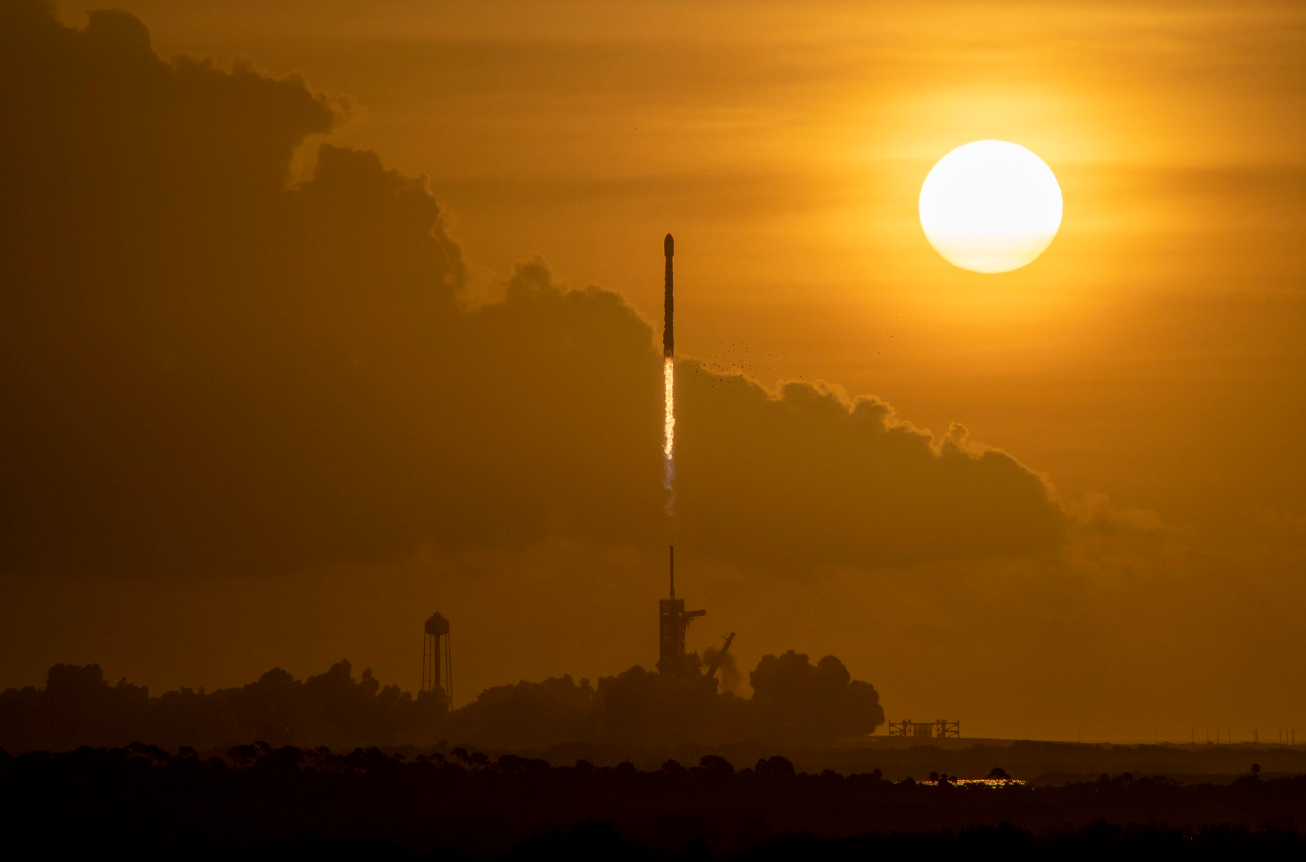
According to a report by Business Insider, on December 23, SpaceX's Falcon 9 rocket booster, identified by its serial number B1058, successfully launched 23 Starlink satellites into orbit from Cape Canaveral Space Force Station.
However, while being transported back to shore, the booster encountered high winds and waves during its return journey, causing it to tip over on the floating droneship in the Atlantic Ocean.
The damage suffered by the Falcon 9 booster holds historical significance, as Gizmodo reports it was the first booster to transport astronauts to the International Space Station.
In May 2020, it played a pivotal role in SpaceX's first crewed mission, carrying NASA astronauts Doug Hurley and Bob Behnken. The successful mission marked a significant milestone for SpaceX and NASA's Commercial Crew Program.
SpaceX Future Plans
Kiko Dontchev, SpaceX's Vice President of Launch, explained that boosters tipping over, also known as "tippy boosters," occur under specific landing conditions that lead to uneven loading on the legs. Heavy winds and rough sea states exacerbate these conditions, causing the booster to teeter and slide, further damaging the leg structure.
Despite the setback, SpaceX remains committed to salvaging the engines and conducting life leader inspections on the remaining hardware.
Jon Edwards, SpaceX's Vice President of Falcon launch vehicles, emphasized the value that remains in the damaged booster. The company intends to avoid wasting resources by maximizing the salvageable components.
SpaceX has been equipping its newer Falcon boosters with upgraded landing legs with self-leveling capabilities. This enhancement aims to mitigate similar issues in the future, demonstrating the company's commitment to improving the safety and reliability of space missions.
The unexpected damage suffered by SpaceX's Falcon 9 rocket booster represents a setback for the company's ambitious space exploration endeavors.
While the incident highlights the challenges associated with rocket landings, SpaceX remains determined to learn from the experience and further enhance its technology.
By salvaging the engines and inspecting the remaining hardware, the company aims to minimize waste and maximize the value of its resources.
Photo: @SpaceX/Twitter