


 Costco Revenue Beats Estimates as Inflation Drives Bulk Shopping
  Novo Nordisk Strikes €1.17 Billion Nanexa Drug Delivery Deal
  DaVoice Sues Perplexity AI Over Trade Secrets
  EQT Plans €1.7 Billion Sale of Parques Reunidos Stake
  SpaceXAI to Double Nvidia Chips at Colossus 2 by Year-End
  Suzuki Targets Faster Car Development to Keep Pace With Chinese Rivals
  FDA Approves Mirum’s Atebrioz for Rare Bone Disorder FOP
  TikTok Reaches $100 Million Alabama Settlement Over Child Safety Claims
  Dubai’s connectivity remains strong in an uncertain world
  Jeff Bezos Invests $32 Billion in Blue Origin as Space Firm Targets Major Growth
  Oura IPO Draws Strong Demand Ahead of $2.2 Billion Offering
  US Appeals Court Upholds Anthropic AI Supply Chain Ban
  SMBC Eyes 20% VPBank Stake in Vietnam Expansion
  Solidigm Eyes $150 Billion IPO as SK Hynix Expands AI Storage Push
  Tesla Semi Rollout Begins at Nevada Factory
  Airbus Finds A321neo Fuselage Quality Issue
  Meta Found Liable in New Mexico Facebook Data Privacy Case


 Add as a preferred source on Google
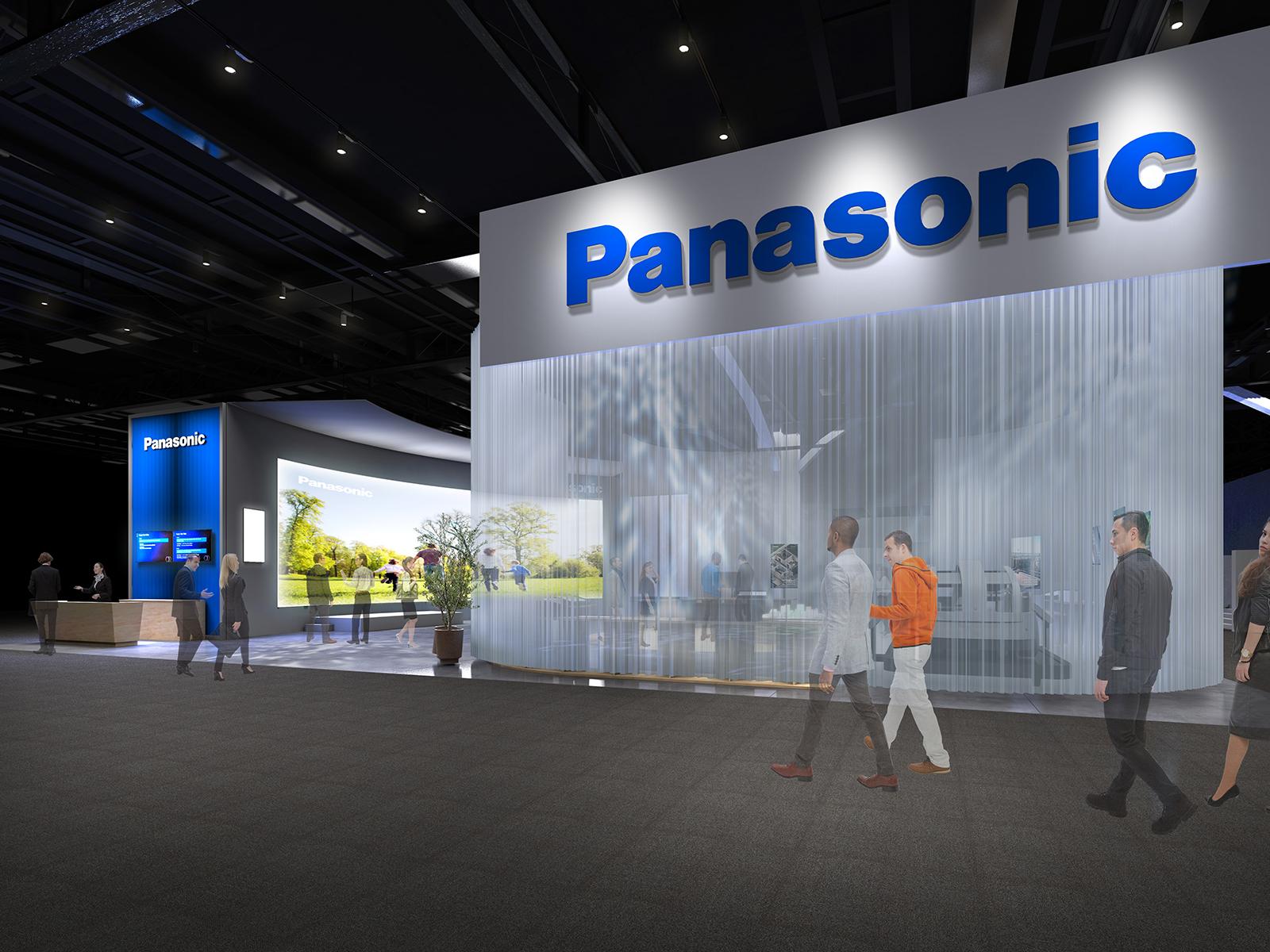
Panasonic's battery business must emphasize productivity improvement in response to a slowdown in electric vehicle (EV) demand, according to Group CEO Yuki Kusumi. Previously, Panasonic Energy aimed to decide about the factory by the end of March.
In an interview with Reuters, Kusumi indicated that the Tesla supplier might delay the construction of a third battery plant in North America. Kusumi stated that the timing for such a decision would be determined when appropriate.
Thoroughly Raising Productivity Before Expanding
According to CNBC, Kusumi emphasized prioritizing productivity enhancement before establishing another site. He underscored the importance of thoroughly raising productivity levels instead of rushing into setting up a third location.
This approach aligns with Kusumi's belief that fewer production sites are generally more advantageous due to the human resources requirements of new plants.
Cooling EV Demand Leads to Production Adjustments
While global consumer demand for EVs continues to grow, key markets like the United States and Europe have experienced a slowdown. Furthermore, the profitability of EVs has not met industry executives' initial estimates.
Factors such as higher interest rates and the unavailability of affordable models have contributed to middle-income consumers being priced out of the market.
Amid signs of cooling EV demand in the United States, automakers like General Motors and Ford have scaled back production plans. This trend has prompted Panasonic Energy to reconsider its decision to build a third battery plant.
The unit currently operates a facility in Nevada and has commenced construction on a second one in Kansas. Notably, Oklahoma is no longer being considered as a candidate site.
Focusing on Annual Capacity Increase to Meet Future Demands
Panasonic Energy expects the Kansas plant to boost its annual auto battery capacity to 80 gigawatt hours (GWh) by the time it becomes operational. Moreover, the unit plans to raise its capacity to 200 GWh by early 2031. These efforts reflect Panasonic's commitment to meet the increasing demand for EV batteries in the coming years.
Kusumi has urged the energy unit to prioritize volume production and focus on improving existing manufacturing capabilities instead of solely considering the location of the third plant. He believes that enhancing processes such as machine maintenance will enable the unit to increase production capacity. Kusumi acknowledges that changing circumstances may introduce time lags but asserts these are common in any business environment.
Kusumi emphasized that Panasonic's energy unit aims to boost its profitability without relying on the U.S. Inflation Reduction Act (IRA) or other government legislation.
Photo: Panasonic Newsroom Global







