


 Meta, U.S. States Discuss Settlement in Teen Addiction Trial
  Pinterest Stock Falls as CFO Julia Brau Donnelly Resigns
  South Korea Unveils Record $597 Billion 2027 Budget to Boost AI and Chips
  Salesforce Shares Surge as AI Demand Powers Q2 Earnings Beat
  Google Expands Gemini Enterprise With AI Tools for Legal Sector
  Nvidia Reportedly Eyes $13 Billion Hugging Face Acquisition
  Apple’s Phil Schiller Steps Back as Leadership Shake-Up Accelerates
  OpenAI Nears Astra AI Model Launch With Safety Focus
  Lenovo Shares Fall After Dropbox Security Breach Exposes ID Vulnerability
  U.S. Disrupts China-Linked Hacking Campaign Targeting Government Agencies
  Nvidia Pauses AI Cloud Financing Deals Amid Antitrust Concerns
  OpenAI Data Center Chief Chris Malone Exits Ahead of Planned 2027 Listing
  Nvidia Revenue Soars 106% as AI Demand Hits ‘Inflection Point’


 Add as a preferred source on Google
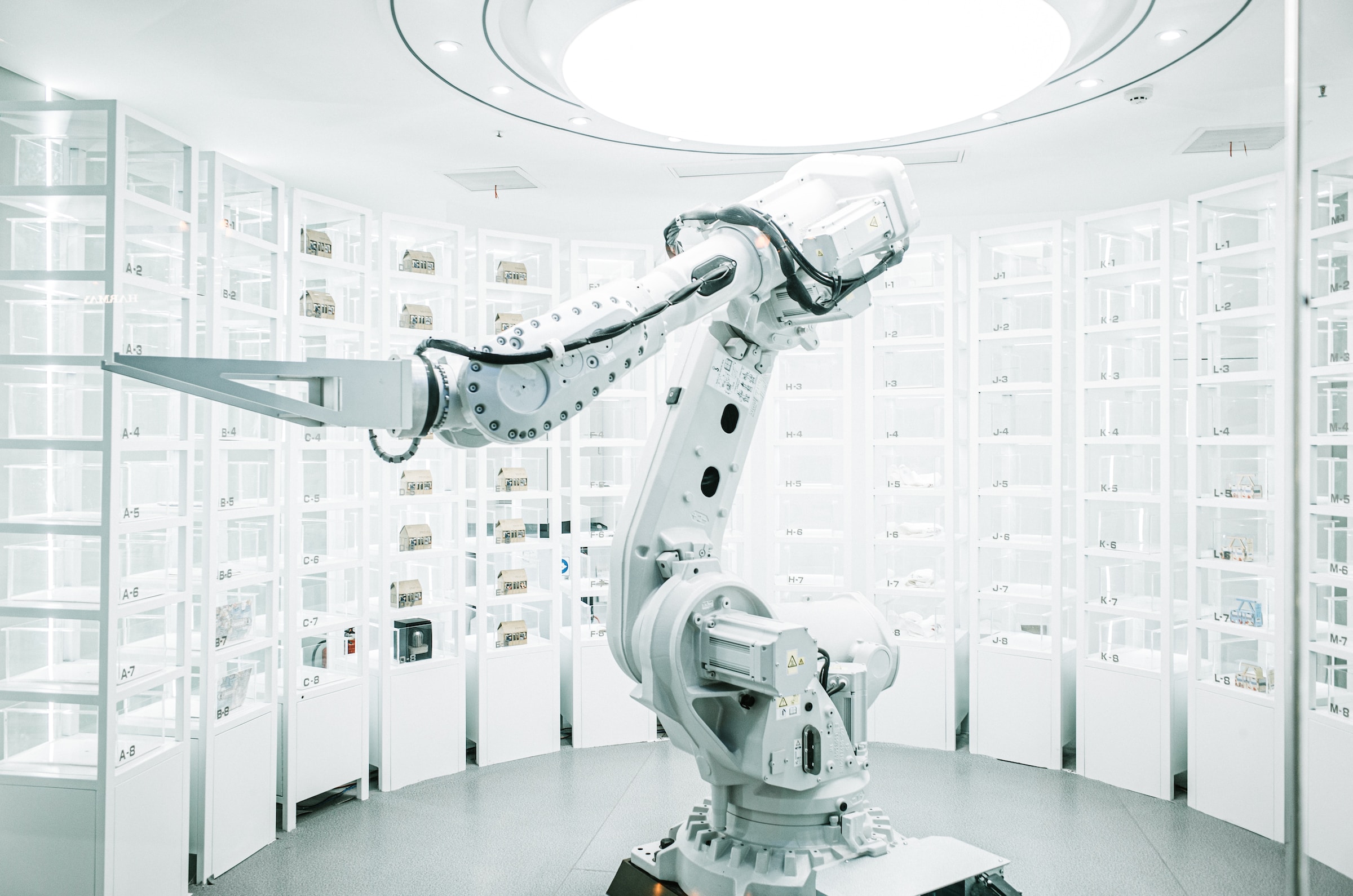
In an address preceding CES, Deepu Talla, NVIDIA's Vice President of Robotics and Edge Computing, shed light on the revolutionary synergy between Generative AI and robotics.
With a strong lineup of partners, including Boston Dynamics, Collaborative Robotics, Covariant, Sanctuary AI, Unitree Robotics, and more, NVIDIA is spearheading the integration of GPU-accelerated large language models (LLMs) to bestow unparalleled intelligence and adaptability upon machines.
Autonomous Robots and AI
Talla emphasized the contemporary relevance of AI-powered autonomous robots in enhancing efficiency, reducing costs, and overcoming labor shortages.
NVIDIA's central role in the evolution of Generative AI traces back a decade when the company delivered the first NVIDIA DGX AI supercomputer to OpenAI.
Today, fueled by OpenAI's ChatGPT, Generative AI is rapidly becoming one of the most influential technologies.
According to Nvidia, Talla anticipates the influence of Generative AI extending beyond text and image generation, permeating diverse domains from homes and offices to farms and factories.
LLMs, functioning like the brain's language center, are set to revolutionize human-robot interactions, enabling robots to comprehend and respond to instructions more naturally.
This symbiosis facilitates continuous learning from humans, other machines, and the surrounding environment.
Real-World Applications of Generative AI in Robotics
Several innovative companies, including Agility Robotics, NTT, Dreame Technology, and Electric Sheep, are actively integrating Generative AI into their robotic technologies.
From understanding text or voice commands to training robot vacuum cleaners in simulated living spaces, Generative AI contributes to the evolution of robots with diverse applications.
The Dual-Computer Model for AI Deployment in Robotics
Talla showcased the dual-computer model pivotal for deploying AI in robotics.
The "AI factory," utilizing NVIDIA's data center compute infrastructure and AI platforms, is central to creating and refining AI models.
The second computer represents the runtime environment of the robot, situated in various locations such as the cloud, data center, on-premises server, or within an autonomous machine.
Breaking Down Technical Barriers With LLMs
Highlighting the role of LLMs, Talla discussed NVIDIA Picasso and its role in empowering users to create complex robotics workcells or warehouse simulations.
Generative AI tools like Picasso enable users to generate realistic 3D assets from simple text prompts, enhancing robot training environments.
According to Venture Beat, the transformative potential of Generative AI, coupled with advancements in LLMs, is eliminating traditional bottlenecks, making robots more adaptable and responsive to natural language interactions.
As NVIDIA propels Generative AI into the heart of robotics, the world awaits the transformative impact on industries and the pervasive deployment of intelligent, adaptable machines.
Photo: Zhenyu Luo/Unsplash







