


 Shein Hong Kong IPO to Raise $1.7 Billion at $26.5 Billion Valuation
  BofA Names ASML Top Semiconductor Equipment Pick on Growth, Valuation
  Amazon Shares Fall as FTC Plans Ad Pricing Lawsuit
  Nvidia Revenue Soars 106% as AI Demand Hits ‘Inflection Point’
  Street Poller Media and The Boom of the Street Interview Ad Industry
  Apple’s Phil Schiller Steps Back as Leadership Shake-Up Accelerates
  SK Hynix Shares Fall as Workers Reject Wage Deal
  SpaceX Mobile Network Could Cost Up to $130 Billion, Bernstein Says
  Luxshare Shares Rise as First-Half Profit Jumps 18%
  Aon Nears $17 Billion Deal to Buy USI Insurance From KKR
  Shein Shares Slide 9% in Hong Kong IPO Debut
  Nvidia Reportedly Eyes $13 Billion Hugging Face Acquisition
  OpenAI Data Center Chief Chris Malone Exits Ahead of Planned 2027 Listing
  Google Changes EU Spam Policy Amid Antitrust Scrutiny
  U.S. Disrupts China-Linked Hacking Campaign Targeting Government Agencies
  Amazon Secures 200 MW Wind Power Deals in Sweden


 Add as a preferred source on Google
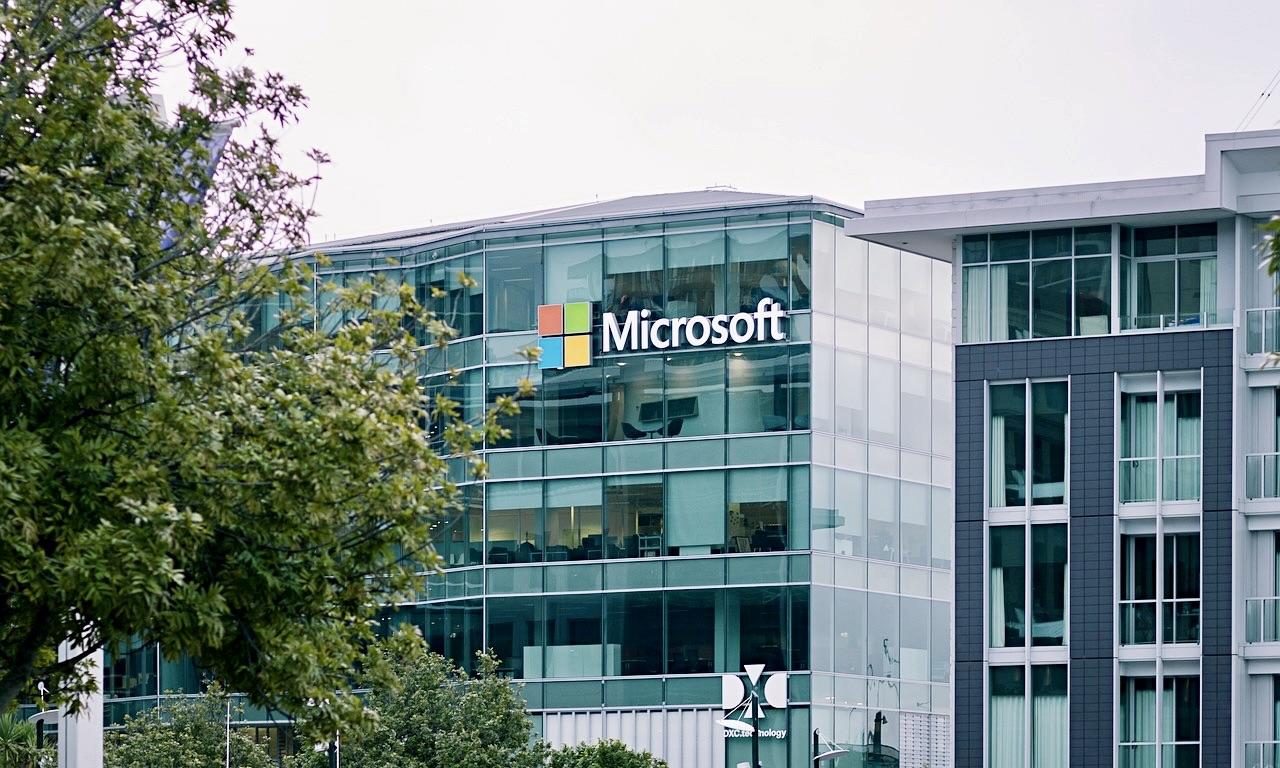
Microsoft Corporation and Siemens AG have inked a deal to work on artificial intelligence (AI) projects together. The main objective of their partnership is to push AI adoption in most, if not all, business sectors.
Microsoft and Siemens unveiled a new generative AI assistant that caters to various professionals in the fields of transportation, healthcare, manufacturing, and infrastructure industries. Likewise, they hope that through their joint project, they will be able to boost the use of AI in industrial sectors.
The New AI Assistant for Productivity
The companies introduced the Siemens Industrial Copilot, which has been described as a generative AI-powered assistant that was specially made to improve productivity as well as human-machine collaboration. Microsoft and Siemens will also work on building copilots designed for specific industries.
According to Reuters, Schaeffler AG, a German automotive supplier, is one of the first few firms to have adopted the collaborative Siemens Industrial Copilot. In any case, the companies did not disclose the amount involved in their latest partnership deal.
Application of AI Tech Across Various Industries
Schaeffler AG said that using the new generative AI greatly helped the business. In particular, it boosted its engineers’ program industrial automation systems, which are now functioning like robots. Microsoft and Siemens intend to provide this same experience to as many businesses as possible to make their work faster and easier.
“With this next generation of AI, we have a unique opportunity to accelerate innovation across the entire industrial sector,” Microsoft’s chairman and chief executive officer, Satya Nadella, said in a press release. “We are building on our longstanding collaboration with Siemens and bringing together AI advances across the Microsoft Cloud with Siemens’ industrial domain expertise to empower both frontline and knowledge workers with new, AI-powered tools, starting with Siemens Industrial Copilot.”
Roland Busch, Siemens AG’s chief executive officer, further said, “Together with Microsoft, our shared vision is to empower customers with the adoption of generative AI. This has the potential to revolutionize the way companies design, develop, manufacture, and operate.”
He added that “Making human-machine collaboration more widely available allows engineers to accelerate code development, increase innovation, and tackle skilled labor shortages.”
Photo by: Tawanda Razika/Pixabay







