


 Colombia Extradites FARC Dissident Leader ‘Spider’ to US
  EU Agrees €6.6 Billion Military Aid Funding for Ukraine
  Najib Razak Seeks Stay of 15-Year 1MDB Prison Sentence
  Abbas Reaffirms November 28 Palestinian Elections
  Evan Gershkovich Says FSB Set Trap for 2023 Russia Arrest
  Trump, Xi Visit US National Archives After White House Summit
  North Korea Warns South Korea Over US-Led Defense Role
  Trump Warns China Against Supporting Iran in Xi Talks
  US Comfortable With Canada Trade Standoff as Import Bans Loom
  China Agrees to Buy 20 Million Tons of U.S. Coal
  South Africa Seeks US Talks Despite Visa Restrictions
  Yemen Violence Displaces 130,000 as Civilian Toll Rises
  US Supreme Court Revives Trump Administration Voter Citizenship Database
  Netanyahu Defends Israel at UN as Delegates Stage Walkout
  US Backs Musk in Fight Against EU’s €120 Million X Fine
  Pope Leo Backs Press Freedom After White House Media Ban
  What ‘Taiwan Independence’ Means as Xi Presses Trump on US Policy


 Add as a preferred source on Google
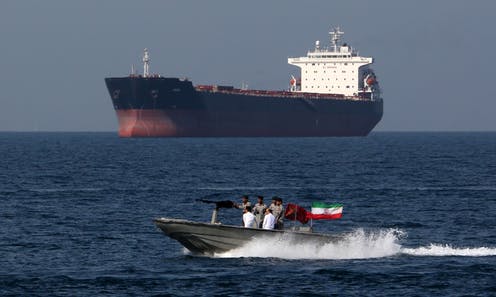
Iran was awaiting an official response from the United States on Saturday to its proposal to reopen the Strait of Hormuz and pause fighting across the Middle East, even as a media report said President Donald Trump had rejected the offer.
Iranian Foreign Minister Abbas Araqchi said the plan, delivered to Washington through Qatari mediators, would begin a seven-day countdown toward reopening the strategically important waterway and suspending regional hostilities. He said an agreement could pave the way for broader U.S.-Iran negotiations.
Under Tehran’s proposal, fighting would halt across the region, including in Lebanon. The United States would lift its blockade on Iranian ports, release frozen Iranian assets and provide waivers from oil sanctions.
However, a senior Iranian official told Reuters that Tehran would not make concessions over what it considers its nuclear rights, including uranium enrichment or sending highly enriched uranium abroad.
A U.S. official had previously characterized indirect discussions as “positive and constructive.” The Wall Street Journal later reported that Trump remained skeptical Iran would satisfy U.S. demands and believed renewed military strikes were likely. Reuters said it could not independently verify that report.
The diplomatic initiative comes seven months after U.S. and Israeli attacks on Iran triggered the current conflict. Fighting has severely disrupted shipping and oil flows through the Strait of Hormuz, one of the world’s most important energy corridors.
Araqchi also briefed Saudi Foreign Minister Prince Faisal bin Farhan about an understanding between Iran and Oman aimed at establishing safe shipping routes through Hormuz.
Regional tensions remain high. A Saudi-led coalition said Saturday it intercepted two Houthi drones targeting Riyadh and a ballistic missile aimed at Khamis Mushait. Saudi Arabia has meanwhile increased defense coordination with Turkey and Pakistan, including discussions on intelligence sharing and military cooperation.
Oil markets remain highly sensitive to developments surrounding Hormuz. Reports of Iran’s proposal earlier in the week briefly pushed Brent crude below $100 a barrel as traders weighed the prospect of restored shipping and improved Middle East oil supplies.







