


 Samsung to Invest $1.5 Billion in Vietnam Semiconductor Testing Plant by 2027
  SK Hynix Joins $1 Trillion Club as AI Chip Demand Fuels Stock Surge
  SoftBank to Invest €75 Billion in France AI Data Center Expansion by 2031
  Dell Raises 2027 Revenue Forecast as AI Server Demand Drives Record Quarterly Results
  Blue Origin New Glenn Rocket Explodes During Launch Pad Test, Delaying Space Ambitions
  Elon Musk Explores Possible Tesla-SpaceX Merger Amid Growing AI Investments
  Snowflake Stock Soars 30% After Q1 Earnings Beat and Major AWS AI Partnership
  Kentucky School District Secures $27 Million in Social Media Addiction Lawsuit Settlements
  SpaceX Starship V3 Test Flight Boosts IPO Momentum Ahead of Historic Market Debut
  HP Q2 2026 Earnings Beat Expectations Despite Memory Chip Pressure
  Meta AI Push Could Add $26 Billion in Revenue by 2027, Wolfe Research Says
  Macquarie Names Five Taiwan AI Stocks Set to Benefit From Data Center Growth in 2026
  Marvell Stock Rises After Record Q1 FY2027 Earnings Fueled by AI Demand
  US Quantum Stocks Surge After $2 Billion Government Investment
  MongoDB Q1 FY2027 Earnings Beat Expectations, Raises Full-Year Outlook
  Samsung Workers Approve Wage Deal, Avoiding Major Strike and Boosting Chip Supply Confidence
  Synopsys Q2 FY2026 Earnings Beat Driven by AI and Semiconductor Demand


A recent Massachusetts Institute of Technology (MIT) study challenges the prevailing notion that artificial intelligence (AI) is poised to replace a significant portion of jobs cost-effectively.
The MIT study, titled "Beyond AI Exposure," addressed growing concerns about the potential displacement of human workers across various industries.
Limited Viability of AI in Job Replacement
In one of the initial in-depth investigations into the practicality of AI displacing human labor, researchers focused on the cost-effectiveness of automating tasks in the United States, particularly those utilizing computer vision, such as teaching and property appraisal. The study revealed that only 23% of workers, measured in terms of dollar wages, could be efficiently replaced by AI. The upfront costs associated with implementing AI systems, especially in visual recognition, proved to be a limiting factor, making human labor more economical in some instances.
The study, funded by the MIT-IBM Watson AI Lab, surveyed approximately 1,000 visually-assisted tasks across 800 occupations.
According to Fortune, the findings indicated that a mere 3% of such tasks can be cost-effectively automated today, a figure projected to potentially increase to 40% by 2030 as data costs decrease and accuracy improves.
AI's Impact on Various Industries
Computer vision, a subset of AI enabling machines to extract meaningful information from digital images, demonstrated a favorable cost-benefit ratio in retail, transportation, warehousing, and healthcare sectors.
MIT researchers highlighted that the current feasibility extends to only 6% of tasks related to quality control in a hypothetical bakery. While the sophistication of AI tools like ChatGPT has led to concerns about job displacement, the MIT study suggests that a careful balance is needed to harness AI's potential fully without causing negative repercussions.
Neil Thompson, Director of the FutureTech Research Project at the MIT Computer Science and Artificial Intelligence Lab, emphasized that the study delves into the widespread applicability of computer vision across various occupations and industries.
According to Bloomberg, he highlighted the likelihood of increased automation in retail and healthcare, while areas like construction, mining, or real estate might see less impact from AI integration.
In conclusion, the MIT study challenges the narrative of imminent widespread job displacement due to AI, emphasizing the nuanced impact across different sectors and the need for a cautious approach to AI integration in the workforce.
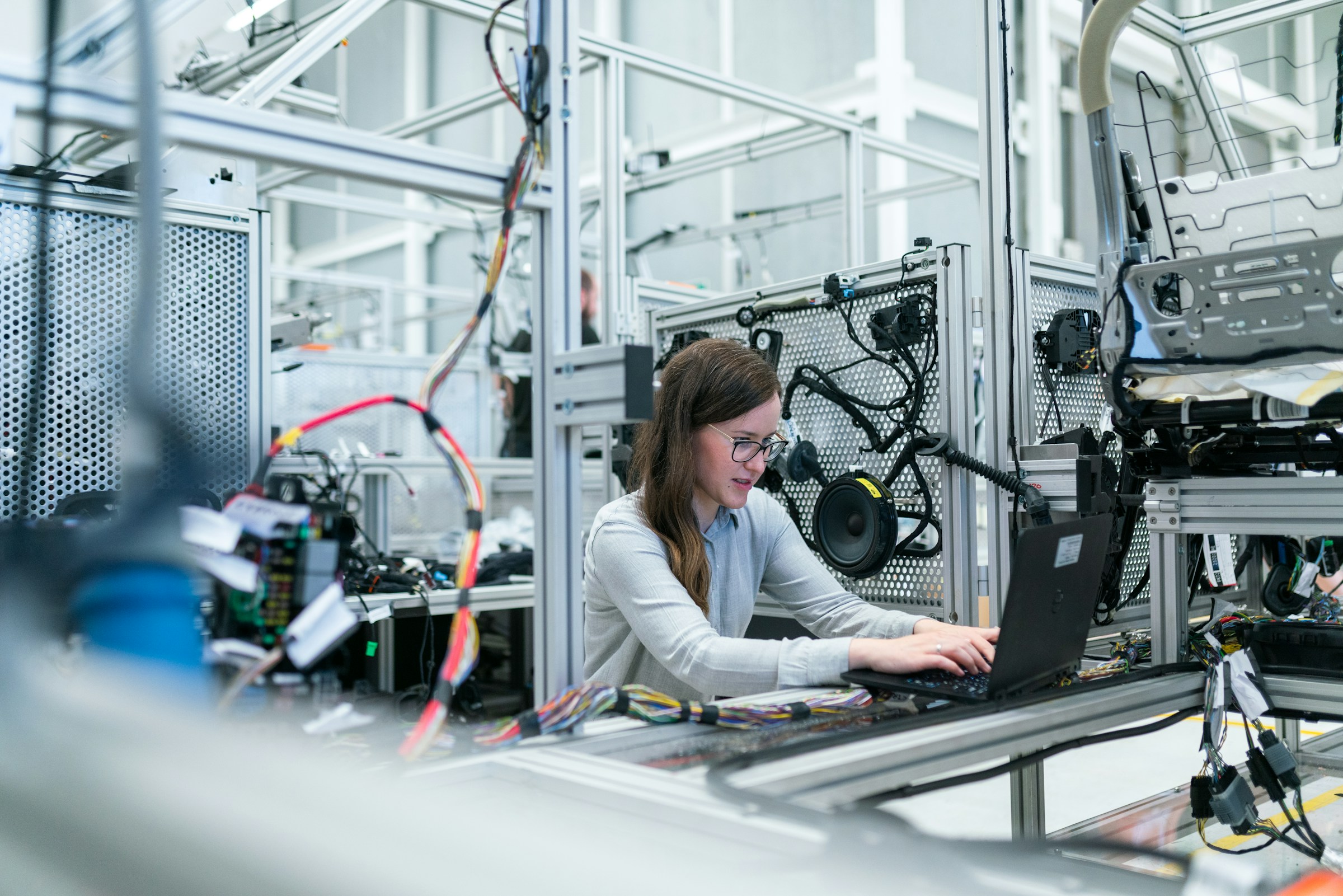
Photo by: ThisisEngineering RAEng/Unsplash







