


 Lula and Flavio Bolsonaro Tied in Brazil Runoff Poll
  Ecuador Court Convicts Ex-President Lenin Moreno in Bribery Case
  Najib Razak Granted House Arrest Until 2028
  Paramount Skydance Faces $30 Million Film Penalty in Warner Bros. Deal
  Trump to Press Xi on Release of US Nuclear Expert Held in China
  Trump Administration Prepares Sanctions Against Entire ICC
  China Tightens Fentanyl Rules Ahead of Trump-Xi Summit
  Marco Rubio to Meet Russia’s Lavrov in New York
  US Court Approves airBaltic Chapter 11 Restructuring
  Vietnam, US Trade Deal Could Be Signed Soon, To Lam Says
  UK, Mauritius Seek Diego Garcia Base Deal
  Trump Scales Back Endangered Species Act Protections
  Judge Blocks Trump Rule Limiting Foreign Student Visas
  Brazil Court Suspends Sigma Lithium Mine Operations
  Maduro Seeks Dismissal of US Drug Trafficking Charges
  Macron, Trump Discuss Ukraine-Russia Energy Strike Moratorium
  Zelenskiy Meets CIA Chief John Ratcliffe at Ireland’s Shannon Airport


 Add as a preferred source on Google

The government on Wednesday will introduce its legislation to enable preventative detention of former immigration detainees judged to pose a high risk of committing serious violent or sexual crimes.
The legislation will be brought into the Senate as an amendment to one of the earlier bills relating these people.
The House of Representatives will then deal with it on Thursday, before parliament rises for the year.
While there will be argy bargy about the detail, the Coalition is considered certain to pass the legislation, which is modelled on an existing law allowing preventative detention of those who are considered a terrorism risk.
The decision to allow a person to be detained would be up to a court.
The court would have to be satisfied “to a high degree of probability” that the person posed an “unacceptable risk of committing a serious violent or sexual offence” and that lesser measures would not deal with that risk.
The Immigration Minister would have to apply for a review of the order every 12 months. The maximum length of an order would be three years, but the minister could reapply for another order.
The legislation also provides for a court to grant a community safety supervision order, imposing restrictions on a person posing “an unacceptable risk of committing a serious violent or sexual offence”.
Clearly the legislation would apply to only a portion of the detainees.
More than 140 detainees have been released. Of the initial 92, 27 fell into the categories of “very serious violent offences, very serious crimes against children, very serious family or domestic violence or violent, sexual or exploitative offences”.
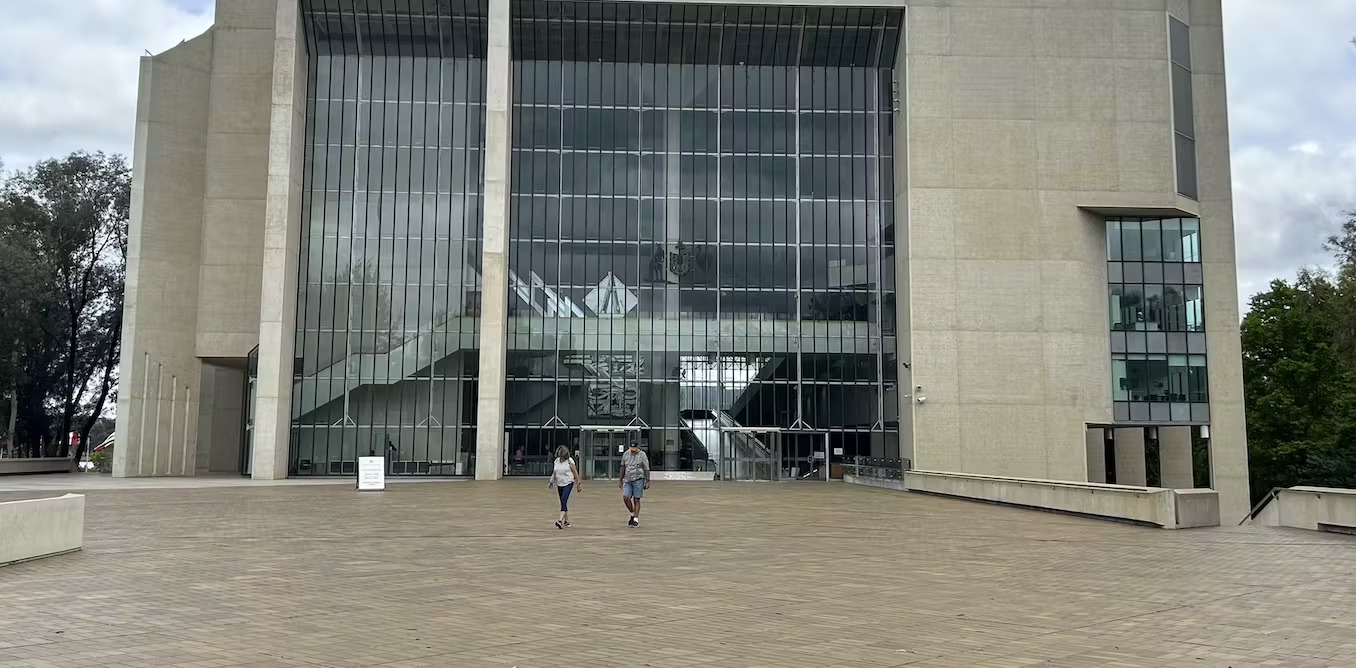
After the High Court found indefinite immigration detention to be unconstitutional the government rushed through legislation to enable it to monitor the ex-detainees, while it waited for the court to give its reasons for its judgement. The reasons have now been issued, and indicate room for re-detaining people.
As a second interim measure, last week the government introduced a bill to prevent paedophiles going near schools, and also preventing ex-detainees who had committed serious crimes contacting their former victims. The government’s new measures will now be grafted onto this bill which passed the lower house and is now before the Senate.
The opposition did not support that bill, leading Home Affairs Minister Clare O'Neil to accuse the opposition and its leader Peter Dutton of voting “to protect paedophiles over children”. She was backed up by Minister for Aged Care Anika Wells.
But Anthony Albanese avoided endorsing O'Neil’s words.
Agricultural Minister Murray Watt, appearing on Sky, on Sunday denied the ministers had gone too far. “I think that people like Clare O'Neil and Anika Wells are some of our strongest performers. They’re very capable, competent ministers, and all they’ve done is use language that […] Peter Dutton himself has used [in the past about Labor].







