Gold prices declined on Friday and were headed for a weekly loss as escalating tensions between the United States and Iran, along with higher oil prices, fueled concerns that inflation could remain elevated and keep the Federal Reserve cautious on interest rate cuts.
Spot gold slipped 0.2% to $4,114.45 per ounce, while gold futures fell 0.5% to $4,122.47 per ounce. Both benchmarks were down about 1.6% for the week, reflecting weaker investor sentiment toward the precious metal.
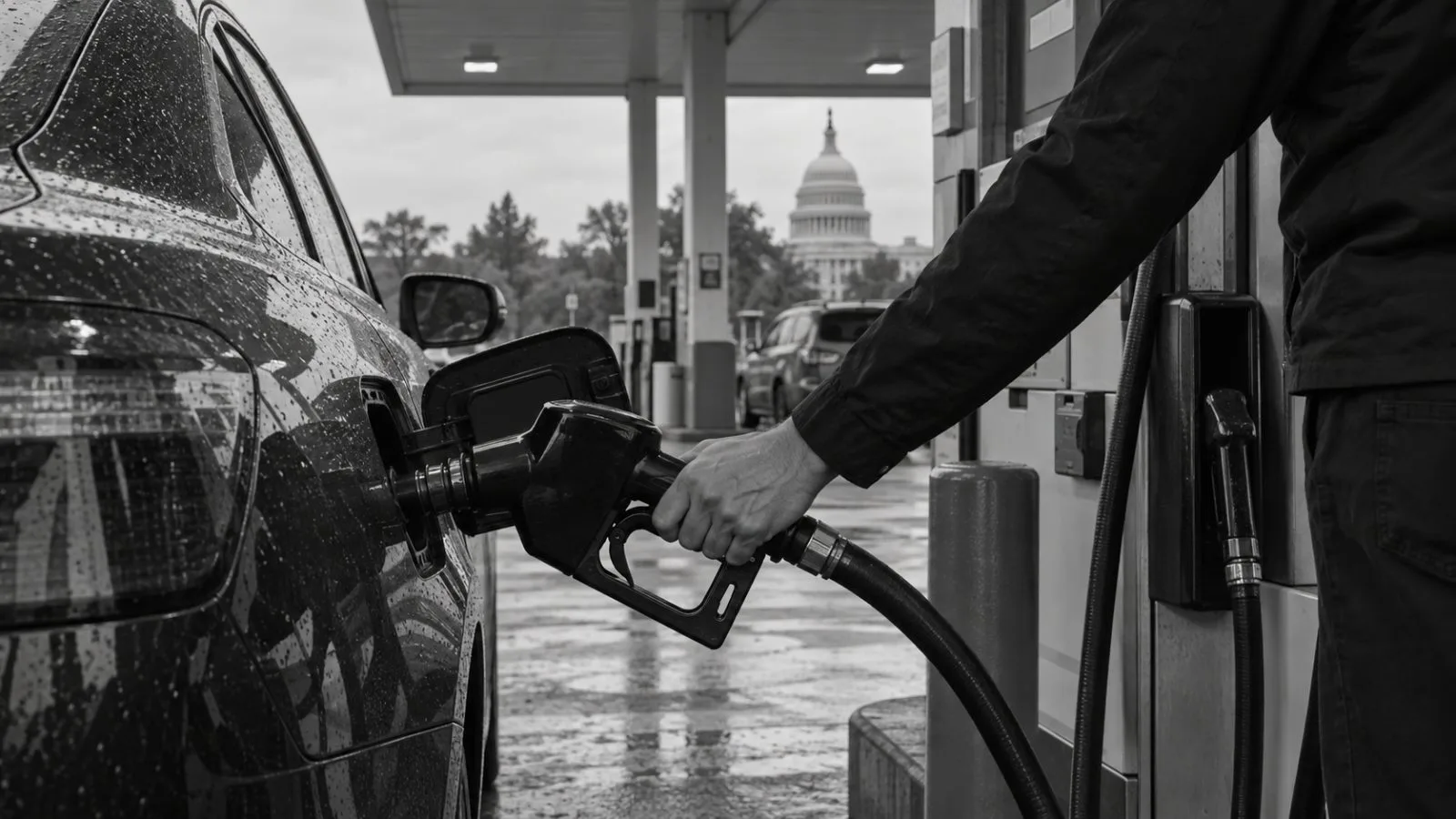
The latest geopolitical tensions followed reported Iranian attacks on three commercial oil tankers near the Strait of Hormuz, a vital global shipping route. The incident pushed crude oil prices higher, raising fears that increased energy costs could reignite inflation and delay potential Federal Reserve rate cuts.
President Donald Trump intensified his stance against Iran, declaring on Truth Social that the ceasefire was "over," despite acknowledging earlier this week that Tehran had expressed interest in negotiating a new agreement. At the same time, regional mediators Oman and Pakistan urged both sides to pursue diplomacy, suggesting neither government was seeking a broader military conflict.
Analysts at ANZ said gold found some support from expectations that the Middle East conflict would remain contained. However, renewed gains in oil prices have reinforced concerns that the Fed may need to keep interest rates higher for longer to contain inflationary pressures.
Shipping activity through the Strait of Hormuz also slowed this week as traders and shipping companies became more cautious, adding to supply concerns in the energy market and supporting crude prices.
The Federal Reserve's June meeting minutes, released earlier this week, showed policymakers remained divided over the future path of interest rates. The Fed's latest report to Congress also highlighted persistent inflation risks stemming from geopolitical tensions, tariffs, and growing demand related to artificial intelligence.
Investors are now turning their attention to next week's U.S. inflation data. June consumer price index (CPI) figures are scheduled for Tuesday, followed by producer price index (PPI) data on Wednesday. While May inflation reached its highest annual pace since 2023 due largely to earlier oil price spikes, many analysts expect those readings to represent the peak, provided energy markets stabilize.