


 Oil Prices Steady as U.S.-Iran Talks Ease Supply Fears Ahead of Holiday Weekend
  Gold Price Today: Gold Slips as Dollar Rebounds Ahead of Fed Minutes
  New Zealand Consumer Confidence Rises in June as Inflation Expectations Ease
  Asian Markets Slip as AI Earnings Season Looms, Oil Prices Fall Ahead of Key Fed Signals
  JPMorgan Cuts Gold Price Forecast, Sees Bullion Reaching $4,500 by End of 2026
  Mary Daly Says AI Uncertainty Clouds Fed Rate Outlook Despite Restrictive Policy
  Moody’s Says Peru’s President-Elect Keiko Fujimori Could Boost Investor Confidence
  Goldman Sachs Flags 3 Key Risks Ahead of Europe’s Earnings Season
  Wall Street Ends Mixed as Weak Jobs Data Lowers Fed Rate Hike Bets, Chip Stocks Tumble
  Gold Price Surges Above $4,120 as Weak US Jobs Data Lowers Fed Rate Hike Expectations
  U.S. Dollar Drops as Weak Jobs Data Boosts Fed Pause Bets, Yen Jumps on Intervention Talk
  Oil Prices Slip as OPEC+ Boosts August Output, Oversupply Concerns Weigh on Crude Market
  Japan Signals Readiness to Act on Yen as Intervention Speculation Grows
  Iran Begins Oil Sale Talks With Japan Under U.S. Sanctions Waiver Amid Shipping Risks
  Asian Stocks Rebound as Tech Shares Rally on Fed Rate Cut Hopes and Easing Iran Tensions
  China Services PMI Beats Forecasts as Strong Demand Supports June Growth
  Gold Price Today: Bullion Heads for First Weekly Gain as Weak U.S. Jobs Data Eases Rate Hike Fears


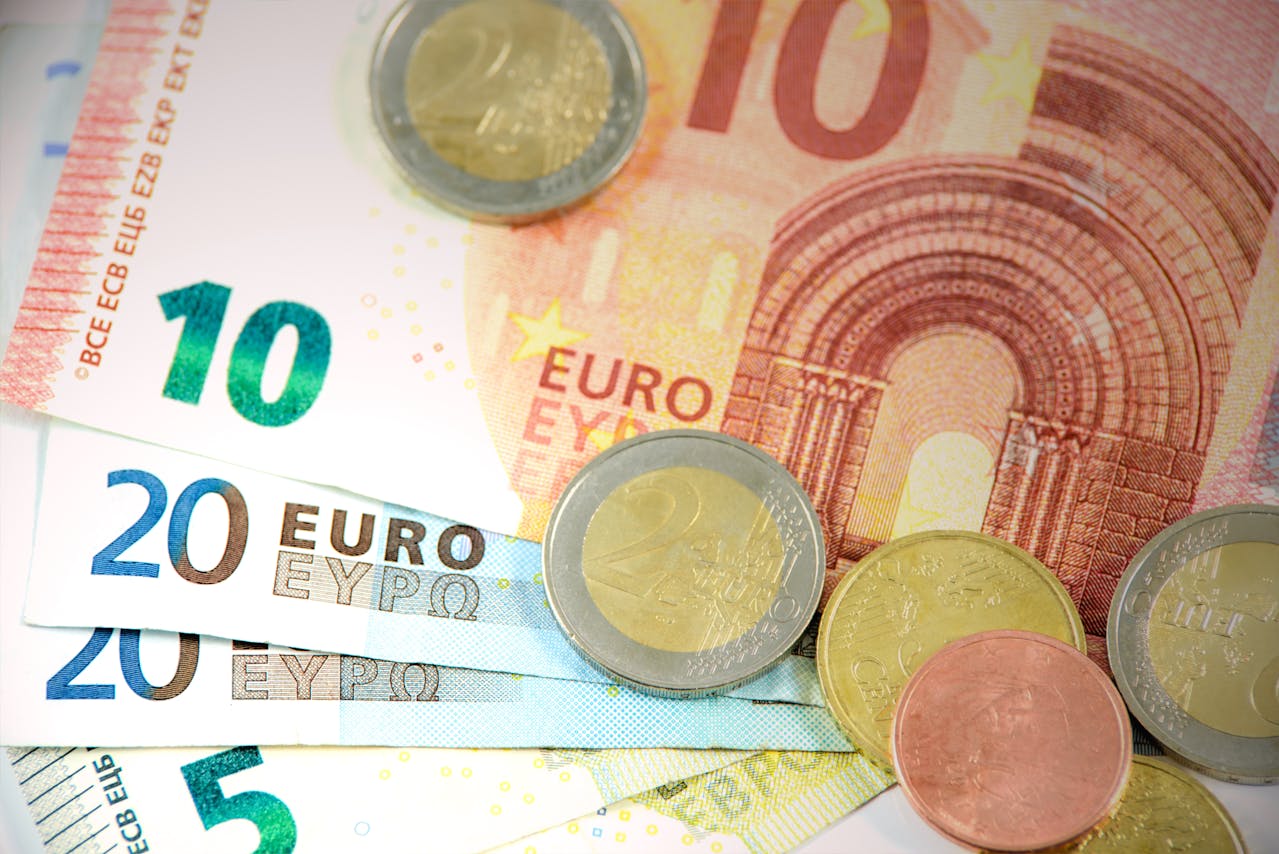
The U.S. dollar strengthened modestly on Monday, recovering some of last week's losses as the euro and British pound weakened ahead of key economic data releases and the Federal Reserve's June meeting minutes. Investors trimmed positions while awaiting fresh signals on the global interest rate outlook.
The euro and the British pound each slipped around 0.2% against the U.S. dollar, reflecting a broader recovery in the U.S. Dollar Index after it fell roughly 0.5% last week. Currency markets are now focused on a busy European calendar, with European Central Bank President Christine Lagarde and chief economist Philip Lane scheduled to speak. Traders will also monitor Eurozone retail sales, producer prices, and Germany's May industrial output for clues on whether the region's manufacturing sector is beginning to recover.
The dollar's rebound follows last week's weaker-than-expected U.S. nonfarm payrolls report, which initially raised expectations that slowing labor market conditions could reduce the Federal Reserve's room for further interest rate hikes. However, the greenback regained support as investors continued to factor in the Fed's hawkish stance on inflation. Policymakers signaled during the June meeting that many officials still favor keeping interest rates higher for longer to ensure inflation returns to target.
Attention is now turning to Wednesday's release of the Federal Reserve's June meeting minutes, which will provide investors with deeper insight into the central bank's policy outlook under new Chair Kevin Warsh, who assumed the role in late May.
Meanwhile, the Japanese yen remained under pressure, with the USD/JPY pair rising about 0.6% to around 161.8, keeping the currency near levels last seen in 1986. Although the yen briefly strengthened after the soft U.S. jobs report, it quickly surrendered those gains as the significant interest rate gap between the United States and Japan continued to weigh on the currency.
The pair remains well above the closely watched 160 level, increasing speculation that Japanese authorities could intervene in the foreign exchange market. Officials have recently intensified verbal warnings against excessive currency weakness, keeping traders alert for possible action. Despite the Bank of Japan's June interest rate hike and signals of additional tightening, analysts at ING said stronger hawkish guidance from the central bank may still be necessary to prevent another sharp rise in USD/JPY following any future intervention.







