


 Google Expands Gemini Enterprise With AI Tools for Legal Sector
  Lenovo Shares Fall After Dropbox Security Breach Exposes ID Vulnerability
  Nvidia Revenue Soars 106% as AI Demand Hits ‘Inflection Point’
  U.S. Probes Apex Logistics Over Nvidia AI Chip Shipments to China
  SpaceX Mobile Network Could Cost Up to $130 Billion, Bernstein Says
  Pinterest Stock Falls as CFO Julia Brau Donnelly Resigns
  US Tech Giants’ AI Bond Boom Raises Euro Zone Borrowing Risks
  Nvidia Pauses AI Cloud Financing Deals Amid Antitrust Concerns
  Meta Agrees to $18 Billion Settlement, Tightens Teen Social Media Rules
  HP Stock Drops 9% Despite Q3 Earnings Beat and Raised 2026 Outlook
  Apple’s Phil Schiller Steps Back as Leadership Shake-Up Accelerates
  OpenAI Nears Astra AI Model Launch With Safety Focus
  U.S. Disrupts China-Linked Hacking Campaign Targeting Government Agencies
  OpenAI Rejects Apple Trade Secret Theft Claims
  BofA Names ASML Top Semiconductor Equipment Pick on Growth, Valuation
  Microsoft to Reveal Azure Revenue in Major Reporting Shake-Up


 Add as a preferred source on Google
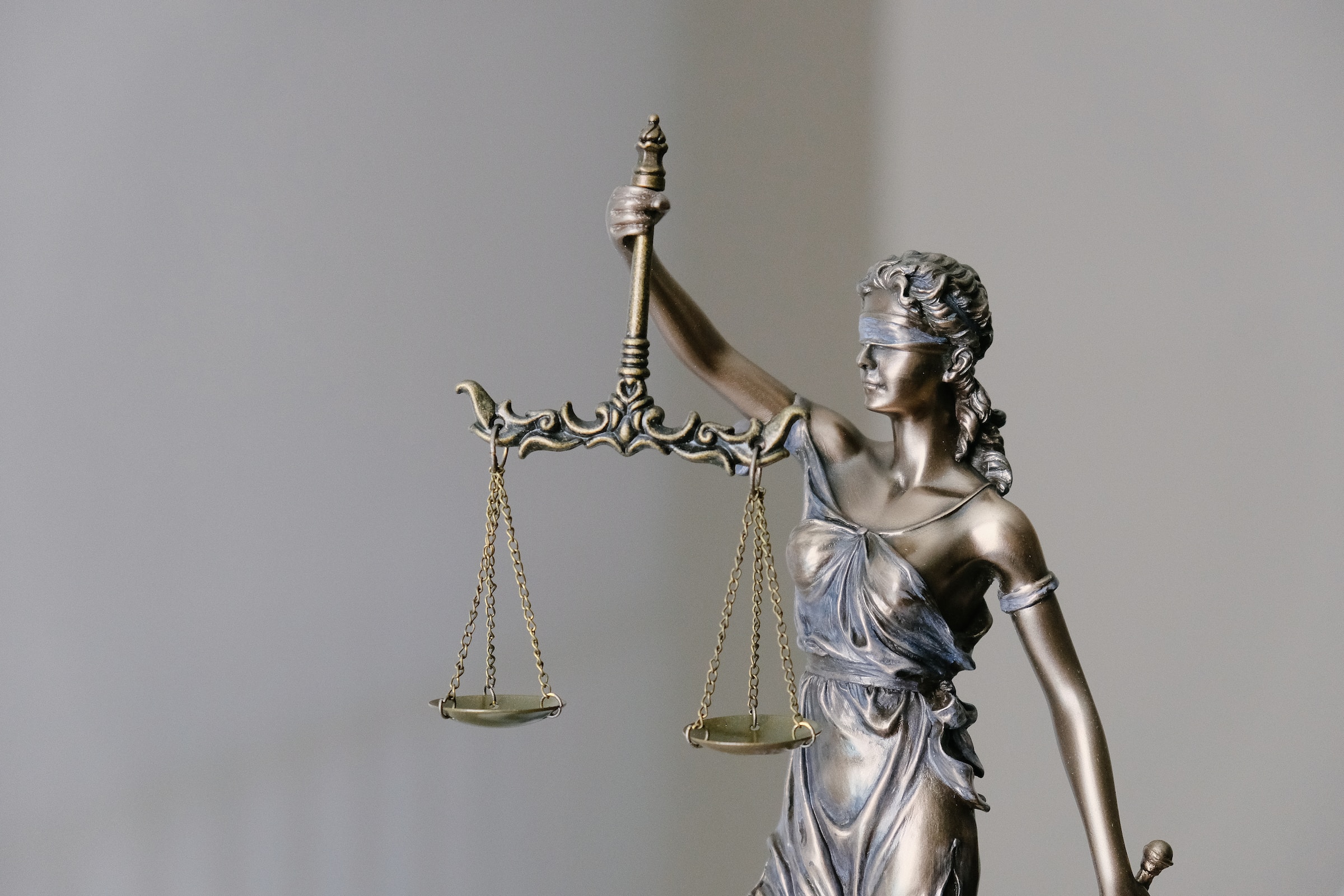
In a year-end report published on Sunday, December 31, US Supreme Court Chief Justice John Roberts expressed a nuanced perspective on the impact of artificial intelligence (AI) in the legal field.
Roberts emphasized the need for "caution and humility" in the face of evolving technology, acknowledging AI's potential to enhance access to justice for indigent litigants, revolutionizing legal research, and expediting case resolution.
AI and Its Transformative Technology
In his 13-page report, Roberts underscored AI's transformative potential while highlighting its limitations.
While AI can make legal processes more efficient and cost-effective, the chief justice cautioned against overlooking privacy concerns and the current technology's inability to replicate human discretion.
Despite recognizing the enduring presence of human judges, Roberts predicted a significant impact of AI on judicial work, particularly at the trial level.
According to Rappler, the chief justice's commentary marks his most significant discussion to date on the influence of AI on the law.
It coincides with ongoing deliberations in lower courts on adapting to a technology capable of passing the bar exam but prone to generating fictitious content, referred to as "hallucinations."
Responsible Usage of Artificial Intelligence
Roberts stressed the necessity for caution in AI usage, citing instances where AI-generated hallucinations led to the citation of non-existent cases in court papers, a practice he deemed "always a bad idea."
According to Law.com, these instances include Michael Cohen, Donald Trump's former lawyer, inadvertently incorporating fake case citations generated by an AI program into an official court filing.
In response to the challenges posed by AI in the legal realm, a federal appeals court in New Orleans proposed a rule aimed at regulating the use of generative AI tools like OpenAI's ChatGPT by lawyers.
The 5th US Circuit Court of Appeals' proposed rule requires lawyers to certify that they either did not rely on AI programs to draft briefs or that humans reviewed the accuracy of any text generated by AI in their court filings.
This move signals an evolving landscape where the legal system grapples with integrating AI while seeking to maintain the integrity of legal processes.







