Asian stocks fell sharply on Friday as surging oil prices, rising bond yields and renewed expectations of a Federal Reserve rate hike drove investors away from riskier assets.
The MSCI Asia Pacific Index dropped 1.3%, while South Korea’s KOSPI sank 2.4%, Japan’s Nikkei 225 declined 2.9% and Hong Kong’s Hang Seng lost 1.5%. The selloff followed a fourth consecutive decline on Wall Street as Brent crude climbed above $100 per barrel and U.S. Treasury yields advanced.
Pressure intensified after U.S. producer prices rose 0.4% in August, pushing annual PPI inflation to 5.4%. Markets are now pricing roughly a 70% probability that the Federal Reserve will raise interest rates next week. Investors are also awaiting Friday’s consumer inflation data for signs that higher energy costs are spreading across the economy.
Technology and semiconductor stocks were hit particularly hard despite continued enthusiasm around artificial intelligence. SK Hynix fell 3.4%, Samsung Electronics dropped 3.9%, Japan’s Kioxia plunged 7.8% and TDK lost 3.1%. Taiwan Semiconductor Manufacturing slipped 1.43%.
AI demand nevertheless remained strong. Oracle gained more than 6% in extended U.S. trading after reporting better-than-expected cloud growth and a record $664 billion backlog.
China’s Shanghai Composite fell more than 2%, while Alibaba and Meituan also declined. One notable exception was Tencent-backed Shanghai Enflame Technology, which surged around 200% in its market debut after raising 6.12 billion yuan ($912 million), highlighting strong demand for Chinese AI chipmakers.
Bond markets added to the risk-off mood. Australia’s three-year yield reached 5.05%, its highest level since 2011, while the U.S. 10-year Treasury yield approached 5%.
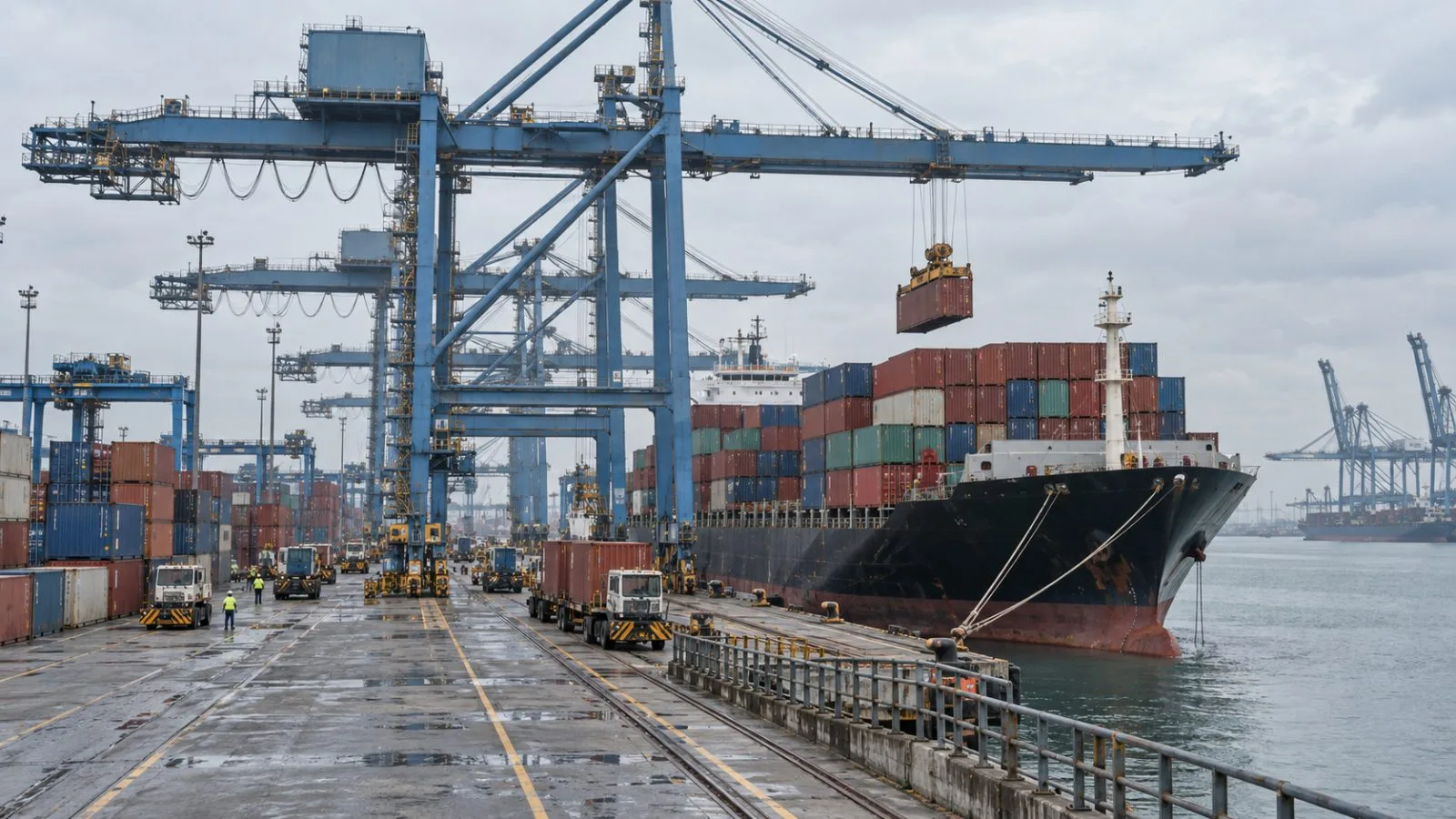
Oil remained the biggest concern. Brent traded near $107.66 after approaching $110, bringing its weekly gain to almost 13%. Shipping disruptions around the Strait of Hormuz and heightened tensions near the Bab al-Mandeb Strait have increased fears of further disruptions to global energy supplies and trade routes.