Asian currencies stabilized on Thursday following strong gains in the previous session, while the U.S. dollar remained under pressure as investors assessed Washington’s efforts to ease volatility in the Treasury bond market.
The U.S. dollar index hovered near 98.80 by 04:04 GMT, around its weakest level since late May, after dropping 0.8% on Wednesday. The decline followed the U.S. Treasury Department’s decision to expand buybacks of longer-dated government bonds.
The Treasury said it would at least double certain buyback operations for securities with maturities of 10 years or longer, increasing purchases to $4 billion from $2 billion per operation. The announcement helped pull the 30-year Treasury yield down to around 5.18% after it had reached a 19-year high of 5.337%. The benchmark 10-year Treasury yield also retreated.
Lower U.S. bond yields reduced support for the dollar and provided some relief to Asian currencies. USD/JPY rose about 0.2% to 158.43 after falling nearly 1% a day earlier. The Japanese yen remained supported by expectations that the Bank of Japan could tighten monetary policy further, alongside U.S.-Japan efforts to stabilize the currency.
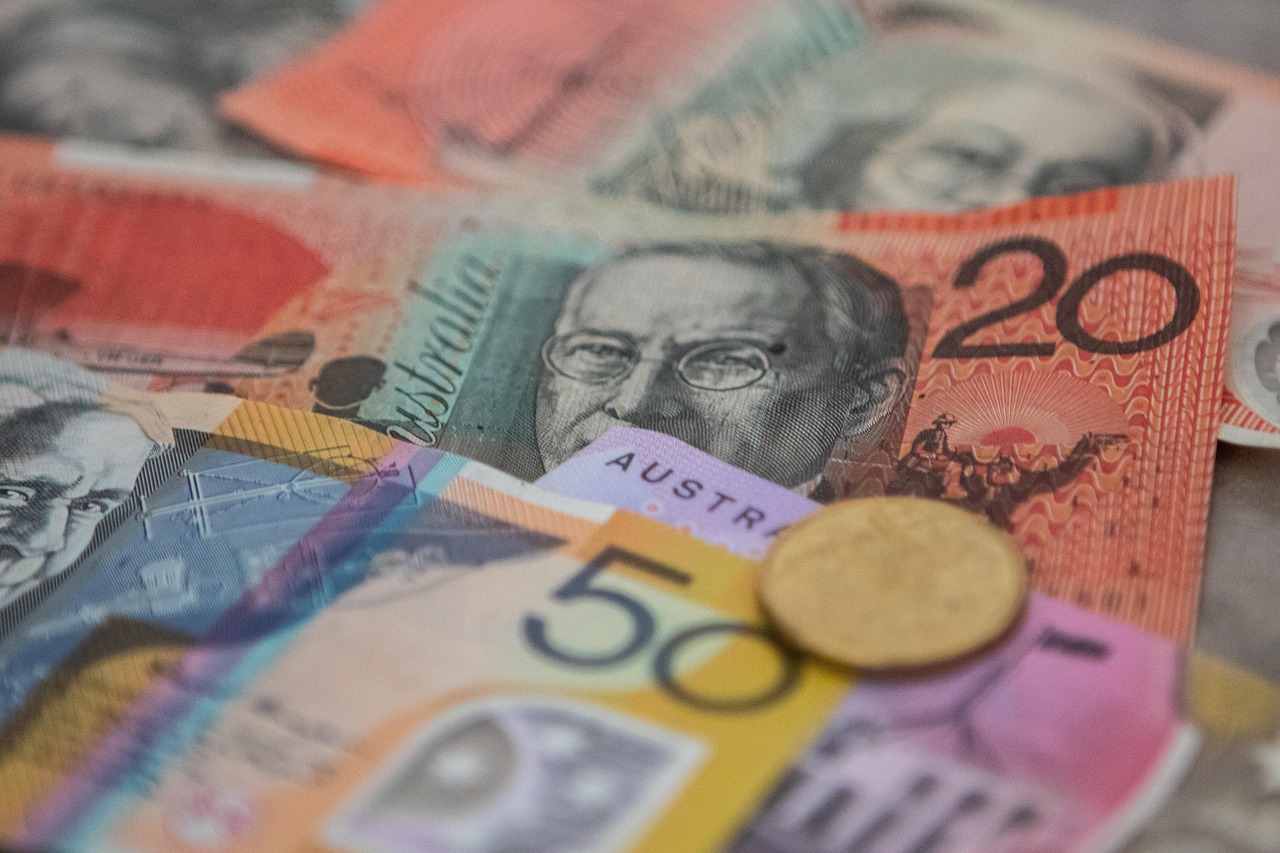
USD/KRW climbed 0.4% after plunging 1.8% in the previous session, keeping the South Korean won near a one-year high against the dollar. AUD/USD was largely unchanged after gaining 0.5% on Wednesday.
The Indian rupee strengthened slightly, with USD/INR edging lower as the weaker dollar offset pressure from elevated crude oil prices and U.S. yields. The Reserve Bank of India has reportedly intervened across spot, futures and offshore currency markets.
Meanwhile, USD/CNY slipped 0.1%, while USD/SGD remained broadly flat.
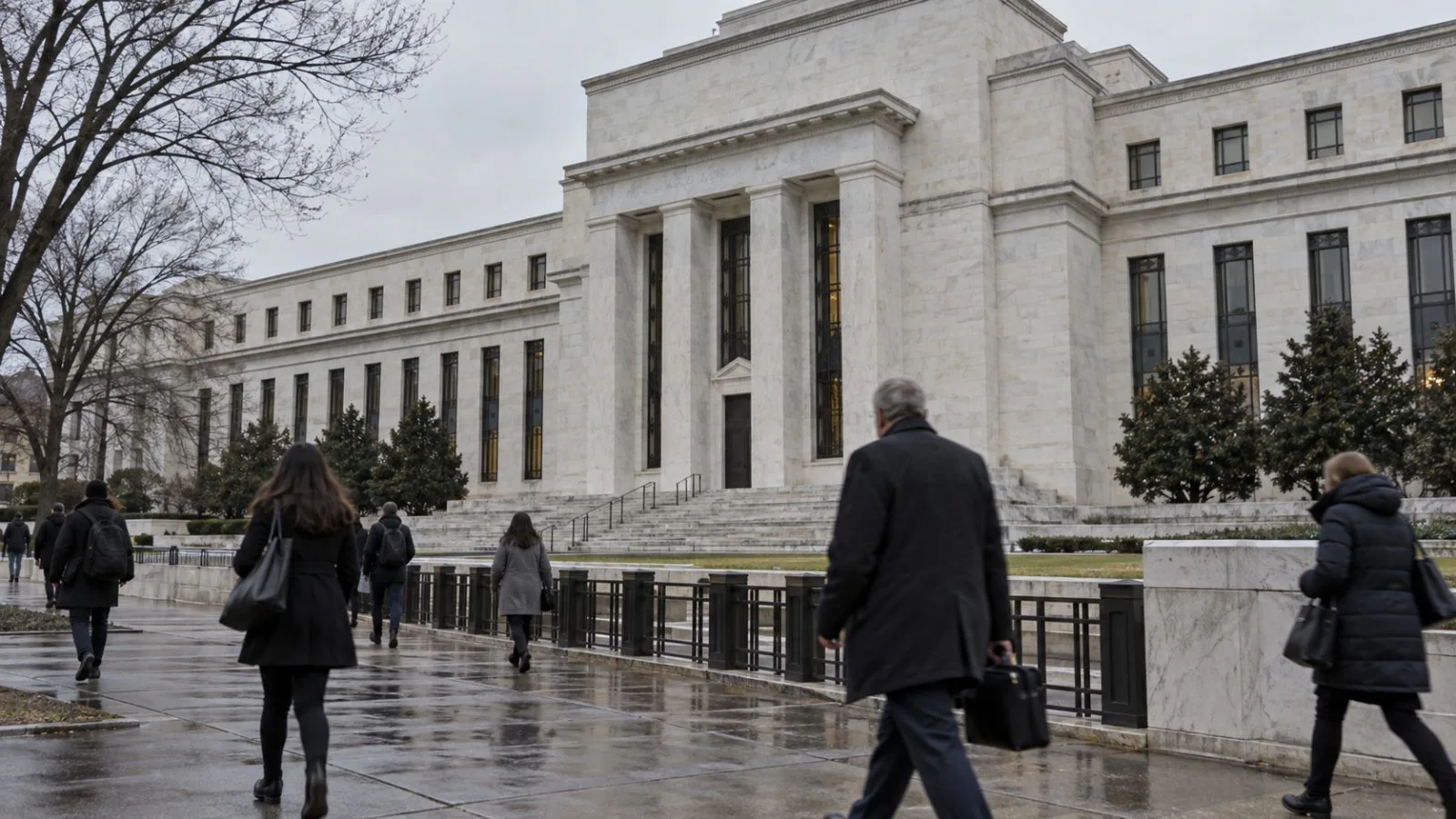
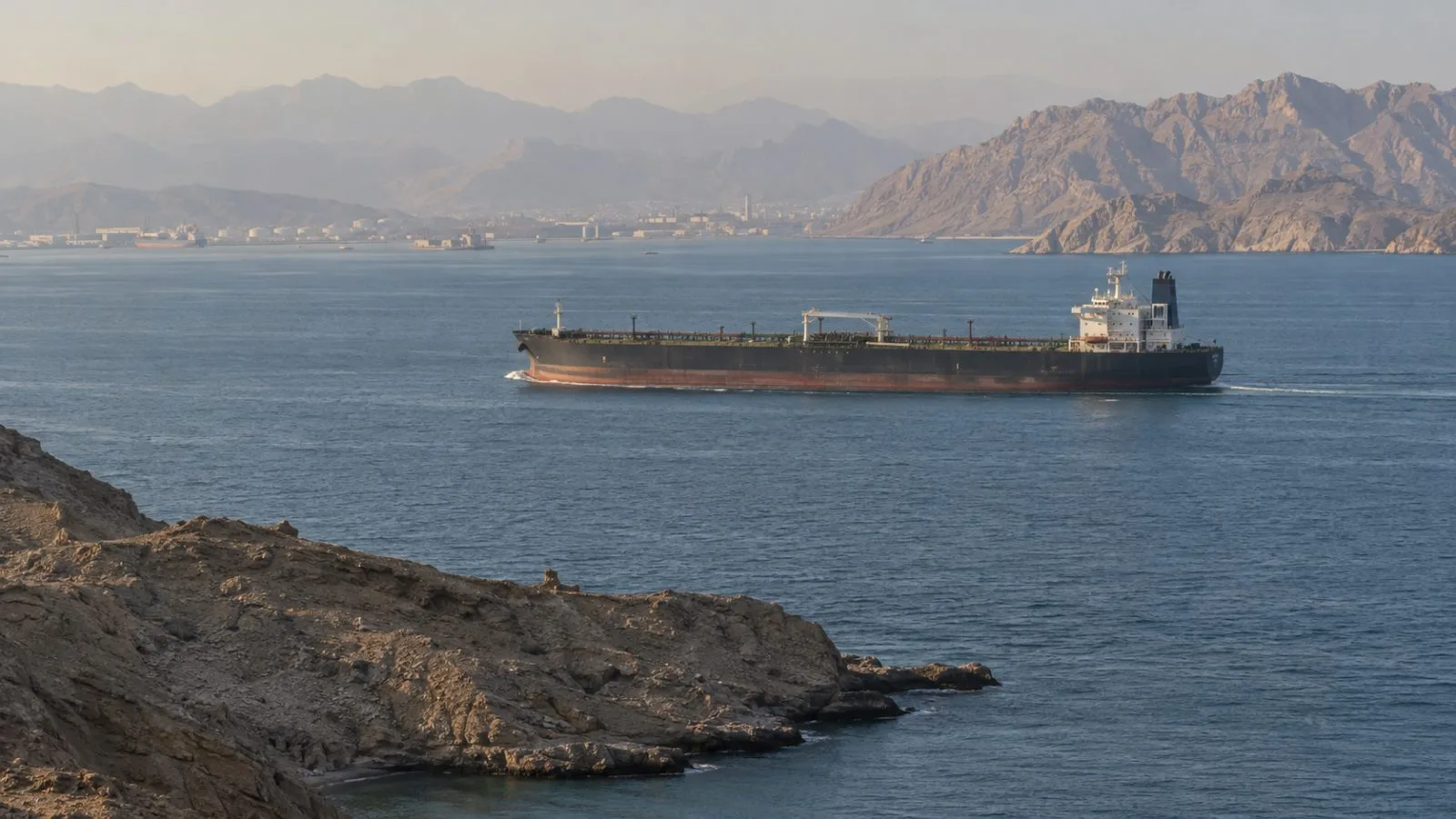
Currency traders were also assessing Federal Reserve policy expectations after July meeting minutes showed persistent inflation concerns, with some officials open to additional rate hikes if necessary. Oil prices added another risk for Asian markets, with global crude approaching $92 per barrel as expectations for a quick resolution to the U.S.-Iran conflict weakened.