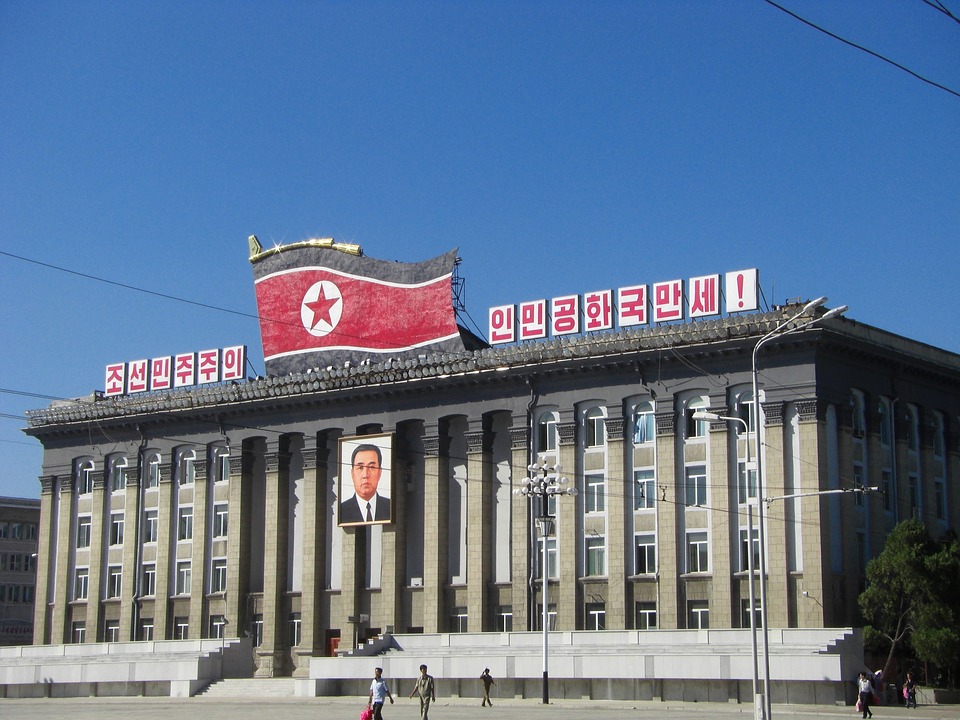
Many have speculated that tensions between the US, China, Russia, India, and other countries can potentially spark World War 3 should it escalate further. According to journalist Bob Woodward in his new book, the US nearly went into an all-out conflict with North Korea.
In Woodward’s book, titled Rage, the journalist revealed that Donald Trump revealed to him how the United States is close to an all-out conflict with North Korea. The book also revealed that former Defense Secretary James Mattis was ordered to shoot down North Korean missiles that were coming to the United States. Woodward went on to explain the revelations in an interview in the Andrew Marr show on BBC One.
“The president told me that we came much closer to war with North Korea than anyone knows. The president said that North Korean leader Kim Jong Un told him that. The number one senior cabinet officer didn’t know if it was real or a bluff but the secretary of defense, James Mattis, has one responsibility and that is to protect the country. President Trump confirmed to me that he authorized Mr. Mattis to shoot down a missile from North Korea if it was coming to the US,” said Woodward.
Woodward went on to note that at the time, North Korea had concealed nuclear weapons at their disposal. However, Mattis reportedly had concerns that if they shot down a North Korean missile, the communist leader would resort to using all their nuclear weapons, which would spark a war between the two countries.
This revelation follows the speculations of analysts and security officials, who believe that North Korea may take advantage of an upcoming holiday to unveil their new weapons or test a submarine-launched ballistic missile.
Meanwhile, tensions between India and Pakistan have also sparked concerns of an all out-conflict due to the border conflict. Over the past several weeks, India and Pakistan have since tried to pin the blame on each other regarding the provocative actions near the Line of Actual Control.
According to Daniel Markey of Johns Hopkins University School of Advanced Interrnational Studies in Washington, the upcoming spring could prove to be tense especially as both countries keep nuclear arsenals. Markey explained that while neither country is at fault yet there are “gaps in both sides” of the two countries’ approaches to the border conflict, which would be a cause for concern.