


 SpaceX IPO: Retail Investors to Play Historic Role in Record-Breaking Public Offering
  Pony.ai, Uber, and Verne Launch Europe's First Commercial Robotaxi Service in Zagreb
  Samsung Electronics Posts Eightfold Profit Surge Driven by AI Chip Demand
  Kia Cuts EV Sales Target for 2030 Amid Slowing Demand and U.S. Policy Shifts
  BHP's Incoming CEO Visits China Amid Pricing Dispute with CMRG
  Bendigo and Adelaide Bank Posts Strong Q3 Earnings, Announces AI-Driven Job Cuts
  OpenAI Executive Shake-Up Ahead of Anticipated 2026 IPO
  Britain Courts Anthropic Amid US Defense Department Dispute
  Chalco Stock Surges as Q1 2025 Profit Forecast Jumps Up to 58%
  Anthropic's Mythos AI Model Sparks Emergency Cybersecurity Meeting With Top U.S. Bank CEOs
  Deere & Company Agrees to $99 Million Settlement Over Right-to-Repair Dispute
  Abbott Laboratories Ordered to Pay $53 Million in Premature Infant Formula Lawsuit
  Alibaba Shares Slide as Jefferies Slashes Price Target Over AI Spending and Business Losses
  Foreign Investors Pour $18.65 Billion into Japanese Stocks Amid Market Stabilization
  UPS and Teamsters Reach Agreement to Limit Driver Severance Program
  FedEx Pilots and Union Reach Tentative Agreement on 40% Pay Increase


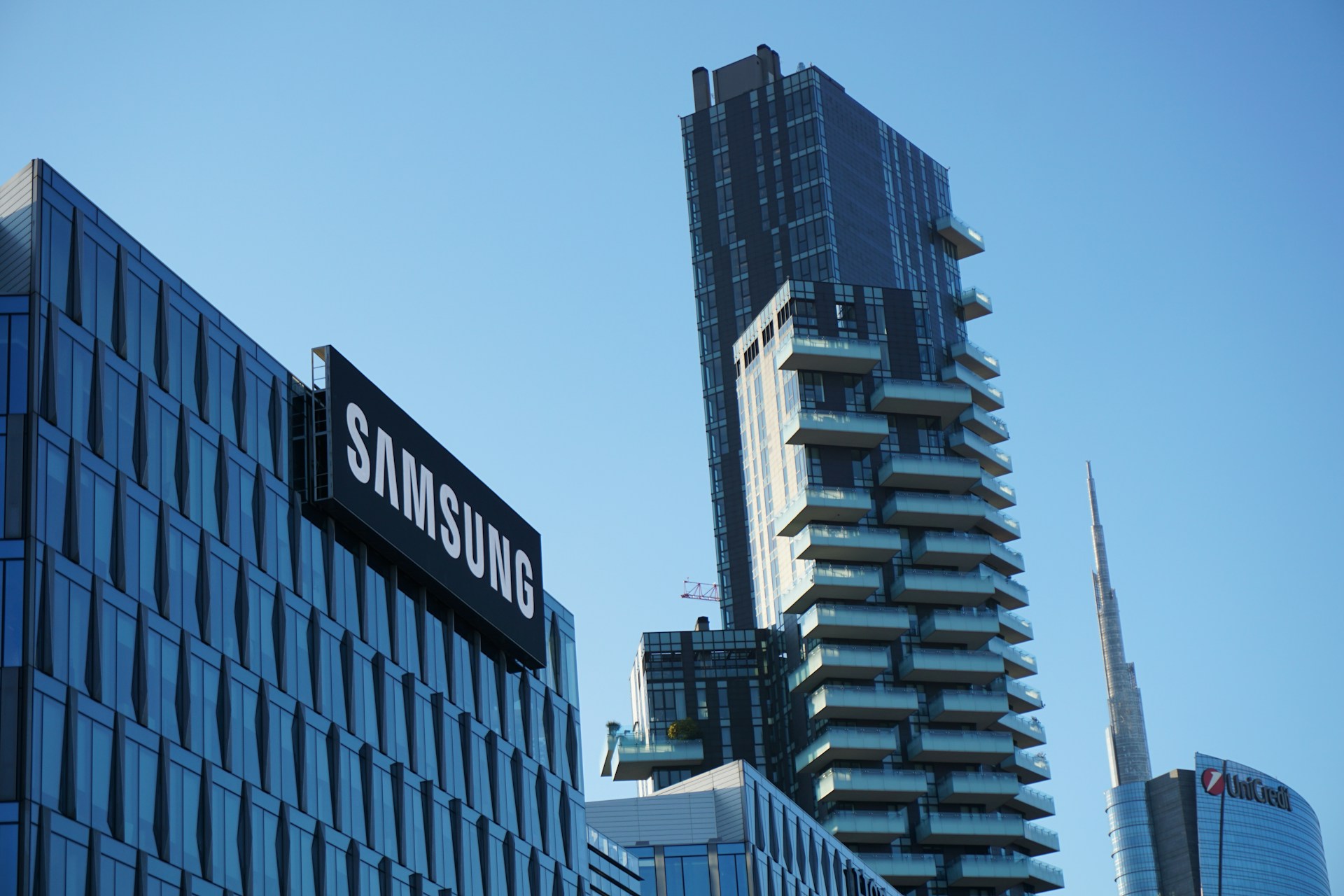
Samsung Electronics (KS:005930) is poised to weather U.S. tariff hikes better than competitors, thanks to its TV production strategy. According to Yong Seok-woo, President of Samsung’s Visual Display division, most of the company’s televisions sold in North America are manufactured in Mexico—shielding it from steep U.S. tariffs. Mexico was largely exempted from the latest 10% global tariff and the additional "reciprocal tariffs" announced by President Donald Trump.
In contrast, Chinese-made TVs now face a 54% total tariff, after a new 34% levy was added to the existing 20%, severely impacting brands like TCL and Hisense. Vietnam, where Samsung also operates factories, has been hit with a hefty 46% tariff, one of the highest among nine Southeast Asian countries affected.
Samsung, the world’s leading TV manufacturer, remains vigilant about shifting U.S. trade policies. The company plans to strategically allocate production across its 10 global manufacturing bases depending on tariff developments to minimize risks and maintain supply chain efficiency.
Despite its favorable position in the TV segment, Samsung could face challenges in other core businesses. Its memory chip and smartphone divisions may suffer from reduced global demand if tariffs continue to rise, especially in key markets like the U.S.
On Monday, Samsung shares dropped 4.3% amid broader market concerns tied to escalating trade tensions. As the company grapples with increasing competition from Chinese tech firms and geopolitical uncertainties, its diversified manufacturing approach may prove critical in maintaining market leadership.
By leveraging Mexico-based production and a flexible global supply chain, Samsung is navigating the tariff storm more smoothly than its rivals—positioning itself for resilience in a volatile trade environment.







