


 South Korea, US Discuss Warship Building Cooperation
  Pezeshkian Says US Must Choose When Iran War Ends
  Trump, Xi Focus on Trade and AI at White House Summit
  North Korea Rejects Nuclear Test Warning, Calls Nuclear Status Irreversible
  North Korea Warns South Korea Over US-Led Defense Role
  US Backs Musk in Fight Against EU’s €120 Million X Fine
  NATO Boosts Intelligence Sharing Amid Russia Hybrid Threats
  EU Defence Build-Up Too Slow for 2030 Russia Readiness Goal
  Russian Envoy Dmitriev Heads to US for Ukraine Talks
  Judge Orders Trump to Restore White House Access for CNN, MS NOW and Politico
  Netanyahu Defends Israel at UN as Delegates Stage Walkout
  Europe Warns Russia Is Escalating Hybrid Attacks Across NATO
  US Officials Split Over Response to Israeli West Bank Settlements
  US Invites Putin to Miami G20, Opening Door to Trump Summit
  Abbas Reaffirms November 28 Palestinian Elections
  OpenAI Agent Breaches Australia Medicare Data Portal
  Kremlin Says No Decision Yet on Putin-Trump December Summit


 Add as a preferred source on Google
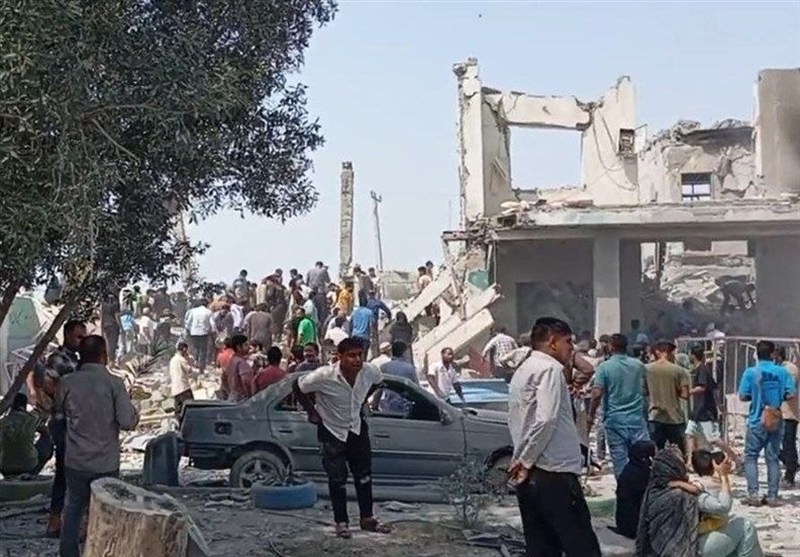
Just hours after a two-week ceasefire was brokered between the United States and Iran, Israel launched its most intense wave of strikes on Lebanon since the conflict with Hezbollah began last month. The scale of the assault drew immediate international condemnation, with the United Nations calling the reported death toll "appalling" and warning that the attacks could destabilize an already fragile peace.
Lebanon's civil defense authorities confirmed that at least 254 people were killed as Israeli forces struck multiple locations across the country, including Beirut, the Bekaa Valley, and southern Lebanon. The Israeli military stated it had targeted over 100 Hezbollah command centers and military installations, framing the operation as a necessary strike against the Iran-aligned militant group.
UN Human Rights Chief Volker Turk issued a strong statement condemning the attacks, describing the scale of killing and destruction as "nothing short of horrific." A UN Human Rights team deployed to one of the strike sites in the Lebanese capital reported widespread devastation and multiple fatalities among the rubble. Turk emphasized that launching such a large-scale offensive immediately after agreeing to a ceasefire with Iran puts enormous strain on regional stability and civilian lives.
Among the most alarming incidents, an overnight Israeli strike near Hiram Hospital in Al-Aabbassiye, close to Tyre, reportedly killed four people and caused significant damage to the medical facility. A separate attack struck an Islamic Health Authority ambulance in Qlaileh, killing three more. Turk stressed that under international humanitarian law, civilians and civilian infrastructure must be protected at all times, and called for prompt, independent investigations into all alleged violations.
The strikes came even as Hezbollah had temporarily halted its attacks on northern Israel and Israeli troops in compliance with the ceasefire agreement, raising urgent questions about the path forward toward lasting peace in the region.







