


 OpenAI Files Confidential IPO Draft as AI Giants Race Toward Public Markets
  MOL Gets More Time to Negotiate Acquisition of Russian-Owned Stake in Serbia’s NIS
  Honeywell Aerospace Targets $6.5 Billion Earnings by 2030 After Spin-Off
  Airbus Aircraft Deliveries Surge in May 2026
  US Officials Explore AI Company Equity Stakes Ahead of OpenAI and Anthropic IPO Plans
  oOh!media Takeover Battle Intensifies as Bain Capital Joins Competing Bids
  Italy’s ITA Airways Weighs Legal Action Against Pratt & Whitney Over Grounded Airbus Fleet
  Alaska Air Group Eyes Return of Financial Guidance as Fuel Market Volatility Eases
  Apple Unveils Enhanced Apple Intelligence and Next-Generation Siri at WWDC 2026
  Lynas Rare Earths Names Pol Le Roux as Interim CEO Ahead of Leadership Change
  BitGo Expands Regulated Crypto Trading Services in MENA
  ASIC Launches Formal Investigation Into KPMG Australia Partners Over Client Data Misuse Allegations
  Apollo Ends Pursuit of Bodycote, Withdraws £1.52 Billion Takeover Proposal
  Switch Eyes Multi-Billion-Dollar Funding Round at $50 Billion Valuation Ahead of Potential IPO
  Lululemon Cuts 2026 Outlook as Weak North America Sales Pressure Growth
  Foreign Firms Cash In on India's IPO Boom
  Bouygues, Orange and Iliad Strike €20.35 Billion Deal to Acquire SFR


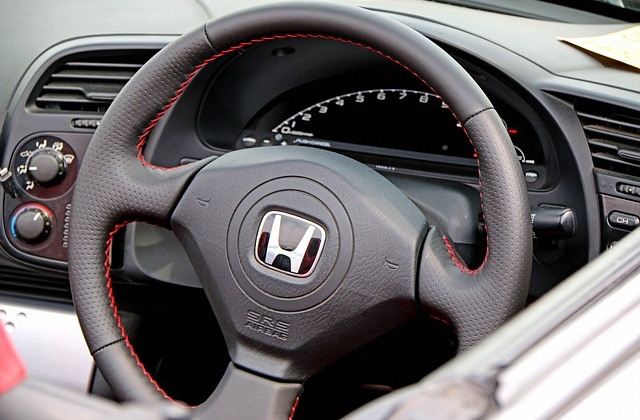
Honda Motor is facing growing internal pressure as a group of retired executives openly question the leadership of CEO Toshihiro Mibe amid declining performance in key markets and costly electric vehicle (EV) investments.
According to reports, former Honda leaders spent months discussing what they viewed as major strategic mistakes under Mibe’s leadership. Their concerns centered on Honda’s weakening position in China, the world’s largest automotive market, and the company’s aggressive EV strategy, which has resulted in significant financial losses. Some executives reportedly blamed Mibe for failing to respond quickly to changing market conditions and for focusing on activities they considered unrelated to Honda’s core business priorities.
The criticism intensified in April when former Honda CEO Nobuhiko Kawamoto reportedly met with Mibe and urged him to step down. However, Mibe remains in charge, supported by Honda’s board and nomination committee despite increasing pressure from influential former executives.
Honda’s challenges reflect broader difficulties facing traditional automakers worldwide. Rising competition from Chinese EV manufacturers, changing consumer demand, and pressure from U.S. trade policies have created a difficult environment for established car brands. Japanese automakers, including Honda, have struggled to match the rapid innovation cycles and software-driven technologies offered by Chinese rivals.
Last month, Honda revised its long-term EV plans, stepping back from its previous commitment to become fully electric by 2040. The company also recorded approximately $9 billion in EV-related write-downs after canceling several vehicle development projects. Industry-wide, automakers such as Ford, General Motors, and Nissan have also reduced EV investments amid slower-than-expected market growth.
Critics argue that Honda’s declining market share in China highlights deeper strategic issues. The company’s share of the Chinese automotive market has fallen dramatically over the past several years, while competitors have strengthened partnerships and developed vehicles specifically tailored to local consumer preferences.
Despite the criticism, Mibe has introduced restructuring measures aimed at improving profitability, including reducing hybrid powertrain costs and reorganizing engineering operations to strengthen innovation. Whether these initiatives can restore Honda’s competitiveness remains uncertain.
As Honda navigates one of the most challenging periods in its history, the company faces mounting pressure to balance traditional automotive strengths with the demands of an increasingly competitive global EV market.







