


 Trump Scales Back Endangered Species Act Protections
  UK, Mauritius Seek Diego Garcia Base Deal
  Trump to Press Xi on Release of US Nuclear Expert Held in China
  Carney Condemns Belleville Synagogue Shooting That Wounded Police Officer
  Macron Challenges Trump’s Gaza Peace Claims at UN
  Lula and Flavio Bolsonaro Tied in Brazil Runoff Poll
  Trump Says ‘Freedom’ Is Coming to Cuba
  Zelenskiy Warns Russia Preparing Major Attack on Ukraine
  Marco Rubio to Meet Russia’s Lavrov in New York
  Russian Strikes Kill Eight Across Ukraine as Energy Sites Hit
  Scott Bessent Eyed as Trump’s New AI Czar
  CNN, MS NOW and Politico Sue Trump Over White House Media Ban
  Lula Meets Mamdani in New York as Elections Approach
  Paramount-Warner Bros $110 Billion Deal Draws Antitrust Backlash
  Trump Board of Peace Unveils $2.45 Billion Gaza Recovery Plan
  US Plans Two New Military Bases in Greenland Under Arctic Deal
  Macron, Trump Discuss Ukraine-Russia Energy Strike Moratorium


 Add as a preferred source on Google
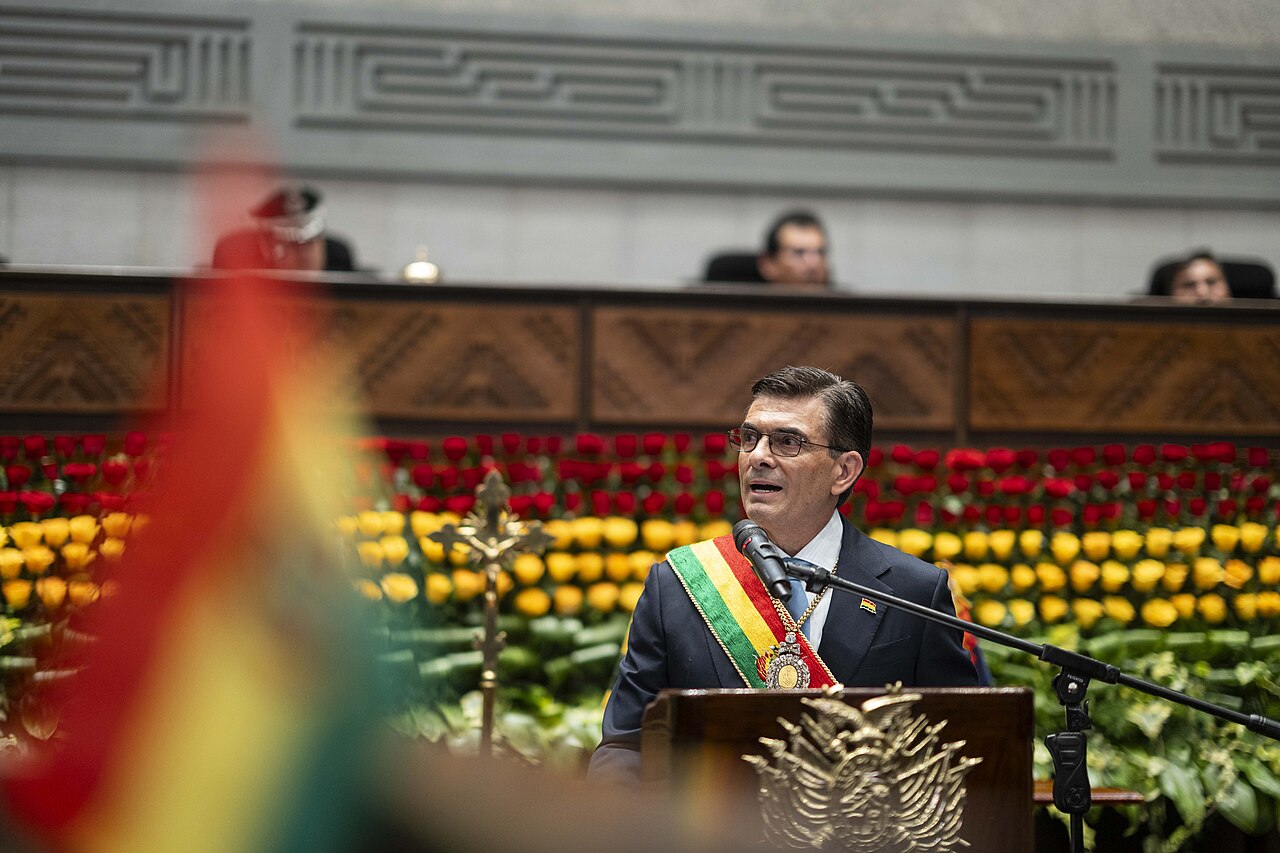
Bolivia recorded a day of mixed developments as authorities reported significant progress in clearing anti-government protest roadblocks, while a tragic military aircraft crash claimed six lives.
The country’s highways authority reduced its count of active roadblocks to 28 after several key agreements were reached with protest groups. The breakthrough comes amid a prolonged 50-day social and economic crisis that has disrupted transportation networks, stranded cargo vehicles, and caused shortages of food, fuel, and medical supplies across multiple regions.
The improvements followed President Rodrigo Paz’s declaration of a state of emergency aimed at restoring public order and reopening critical transportation routes. Bolivia’s Legislative Assembly overwhelmingly approved the emergency decree on Sunday, authorizing broader military involvement in clearing blockades and banning the obstruction of roads and highways.
One of the most important developments occurred in Santa Cruz, where government officials and protest representatives reached an agreement to remove a major blockade in the town of San Julian. In addition, the influential Tupac Katari campesino federation in La Paz announced a temporary suspension of its demonstrations, though it emphasized that its demands remain unresolved.
The group continues to seek economic relief measures, the repeal of several government decrees, stronger labor and political protections, and action regarding fuel quality concerns.
Despite the progress, the day was overshadowed by a fatal military aviation accident. Bolivia’s Defense Ministry confirmed that an Air Force Cessna FAB-409 crashed in a remote mountainous region of Cochabamba department while traveling from El Alto to Cochabamba. All six people on board, including four civilians and two crew members, were killed.
Authorities have not yet identified the cause of the crash. The aircraft had reportedly been used in recent weeks to transport children with cancer to treatment facilities during the ongoing blockades.
Meanwhile, former President Evo Morales stated that the Tropic of Cochabamba, a key support base for his political movement, was experiencing power outages, telecommunications disruptions, and restrictions on banking services.
The unrest began after Paz moved to reduce long-standing fuel subsidies as part of efforts to address Bolivia’s growing budget deficit, foreign currency shortage, and negotiations with the International Monetary Fund. Although the government later introduced measures to stabilize fuel prices and reverse controversial land reforms, protests continued to escalate, with unions demanding wage increases, an end to fuel and dollar shortages, and the resignation of President Paz.







